Origins of the Montauk Project
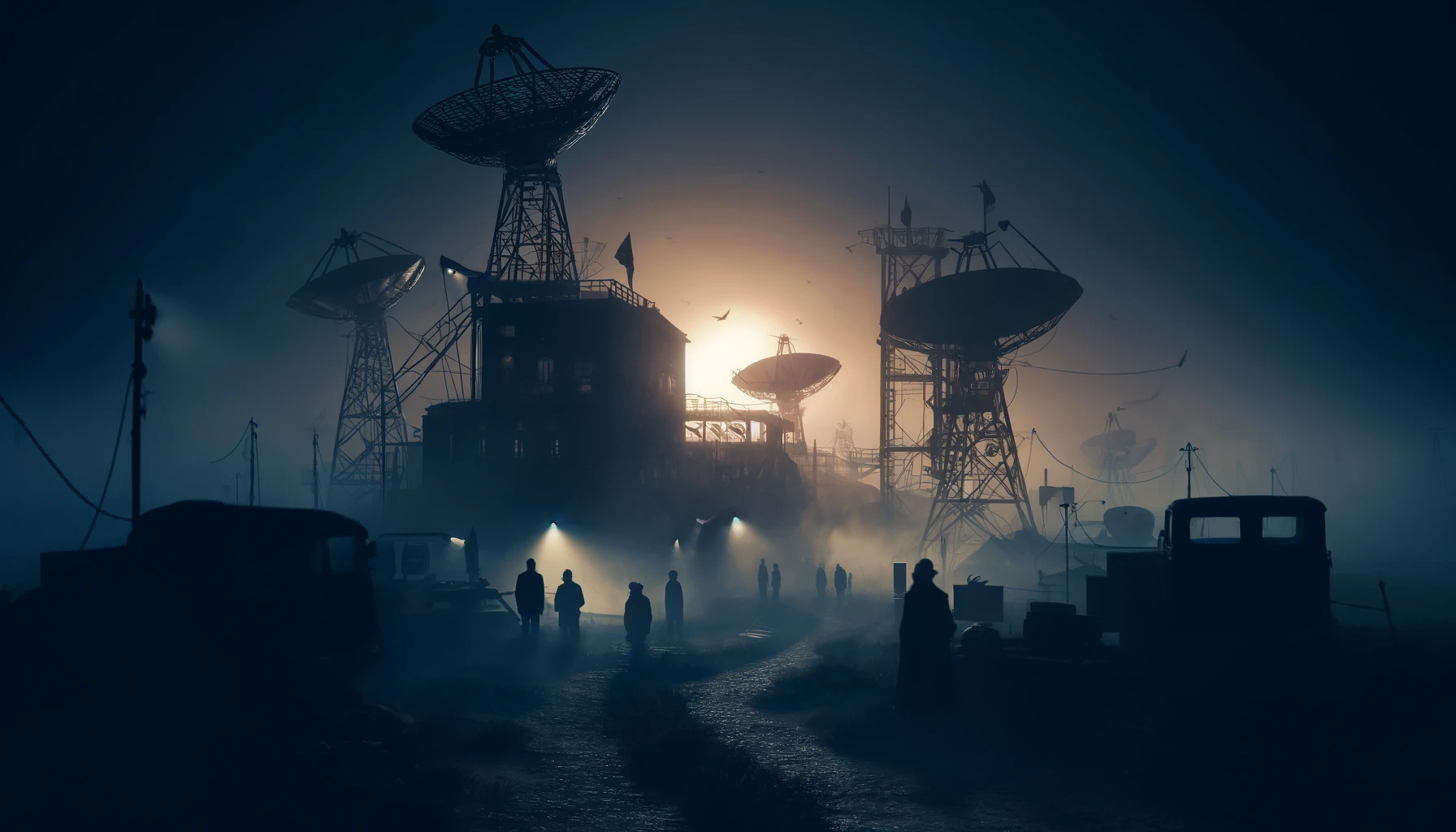
The roots of the Montauk Project conspiracy theory lie in the supposed continuation of the Philadelphia Experiment—an alleged military experiment that supposedly made the USS Eldridge, a Navy destroyer, invisible in 1943. According to conspiracy theorists, the experiments did not end with attempts to render ships invisible; they evolved into tests on human subjects and expanded to include a broad range of psychic and technological experiments at Montauk’s Camp Hero.
Claims Surrounding the Montauk Project
Proponents of the Montauk Project conspiracy theory claim that during the 1970s and 1980s, the U.S. government engaged in a series of secret experiments involving psychological warfare techniques, time travel, and psychotronics (the study of using electronics to affect the human mind). Among the more sensational claims are those stating that researchers could manifest objects out of thin air, create black holes temporarily, and establish stable portals to other time periods and dimensions.
One of the central figures in the Montauk Project story is Preston Nichols, who authored several books detailing the supposed experiments. Nichols claimed that he had repressed memories of his own involvement in the project, which resurfaced in the 1980s, prompting him to investigate further and eventually publicize the supposed events.
Most Popular Explanation Behind the Montauk Project
The Montauk Project is believed by followers to be an extension of the MKUltra project, the CIA’s infamous mind control program. This linkage is based on the project’s alleged focus on exploring the same realms of psychological manipulation and enhanced interrogation techniques. Enthusiasts of the Montauk Project often cite declassified documents that detail government interest in paranormal phenomena and mind control as proof that their claims could be plausible.
Variations of the Conspiracy Theory
The conspiracy theory surrounding the Montauk Project has numerous variations. Some claim that it involved extensive experiments on children, including kidnapping local boys to use as subjects. There are also tales of horrific creatures being summoned through experimentation and accidental rifts in time and space being created. Each variant of the Montauk Project narrative adds a layer of intrigue and horror to the overarching conspiracy, expanding its scope and the potential implications of its alleged activities.
Evidence Opposing the Validity of the Montauk Project Conspiracy
Critics of the Montauk Project point out the lack of physical evidence and reliable testimonial support for the theory. The stories primarily come from individuals like Nichols, who are often dismissed as unreliable narrators due to their vested interest in the conspiracy’s proliferation (such as book sales). Additionally, no government documents conclusively prove any of the core activities claimed by Montauk conspiracy theorists ever took place at Camp Hero.
The fantastical nature of the claims—such as battling monsters and creating time portals—also leads many to categorize these stories more as science fiction than fact. Skeptics argue that the Montauk Project may be an amalgamation of misunderstood or misrepresented events and outright fabrications.
Conclusion
The Montauk Project remains one of the most intriguing and controversial conspiracy theories, involving alleged government experiments on the boundaries of science and the supernatural. It continues to inspire books, documentaries, and films, reflecting society’s deep fascination with the unknown and the secretive activities of governmental authorities.
Those interested in similar conspiracies might explore the Philadelphia Experiment or the more recent allegations surrounding HAARP (High Frequency Active Auroral Research Program), which like the Montauk Project, stirs imaginations with ideas of government overreach and manipulation of nature’s most fundamental laws.