Opens in a new tab
Menu

Quiet Skies Checklists: What Air Marshals Logged

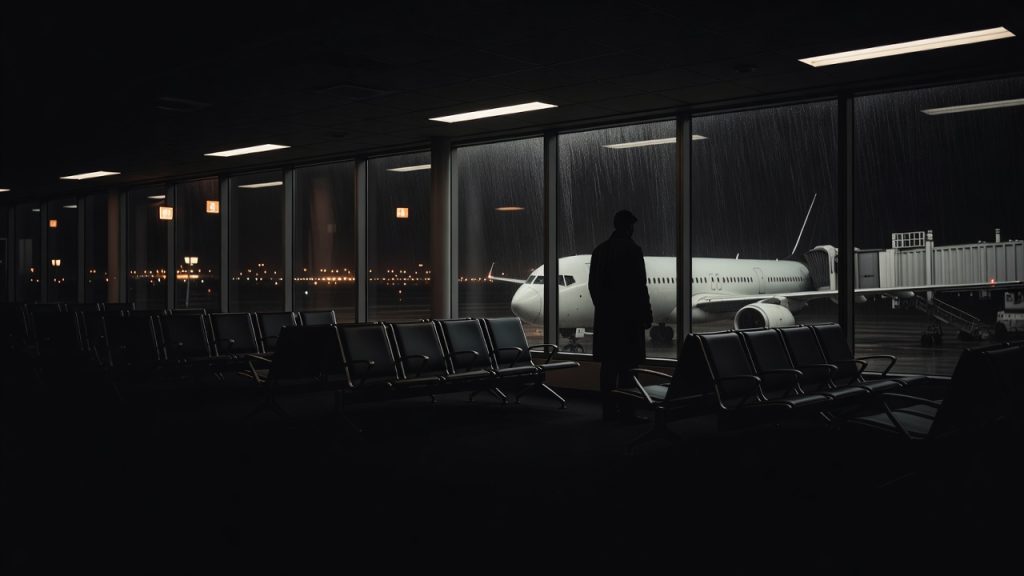
Airport gate scene evoking Quiet Skies checklist surveillance — ConspiracyRealist.com

At Gate C23, nothing looks unusual. A businessman taps his phone. A mother shifts a carry-on with her foot. Someone dozes against the window before boarding. In most airports, those details dissolve into the blur of travel. Under Quiet Skies, they could become entries in a government file. Not because the passenger was on a terror watchlist. Not because an arrest warrant existed. Because somewhere inside TSA’s rule engine, a pattern triggered extra attention — and a federal air marshal was told to watch, record, and keep watching.

The Case For

A leaked checklist turned ordinary behavior into intelligence

The strongest argument that Quiet Skies crossed a line starts with the checklist itself. In 2018, reporting by The Boston Globe and follow-up coverage summarized a leaked Federal Air Marshal checklist used on Quiet Skies assignments. The observed behaviors were strikingly mundane: whether a passenger slept on the flight, used the lavatory, changed clothes, sweated heavily, fidgeted, touched a phone, stared intensely, or appeared unusually aware of their surroundings. Secondary accounts citing the leaked document also noted that marshals could continue watching after landing long enough to log pickup details, including a vehicle’s license plate. That matters, because it suggests the mission was not limited to in-flight safety. It looked like mobile surveillance.

Congressman Stephen Lynch said the same summer that Quiet Skies selectees were not in the Terrorist Screening Database and were not known to be under investigation, yet were still subjected to enhanced screening and covert observation because they matched TSA’s risk-based rules. In plain English: ordinary travelers could be flagged by pattern, not by charge.

Official records confirm the program and the surveillance role

This is not just a media legend. A 2020 DHS Office of Inspector General report confirmed that Quiet Skies was real, that it used enhanced screening for selected passengers, and that in March 2018 TSA added Federal Air Marshal Service surveillance beyond the checkpoint. The OIG described those passengers as higher-risk or unknown-risk travelers and found that TSA lacked centralized oversight, clear measures of success, and consistent adherence to its own guidance.

A 2019 GAO report adds another important piece: Quiet Skies was a subset of Silent Partner, using Secure Flight data to identify passengers for enhanced screening on later domestic and outbound flights for a limited time or number of encounters. GAO also said Federal Air Marshals began prioritizing flights with Quiet Skies matches in March 2018 to observe those individuals and provide an onboard security presence.

Taken together, the public record supports a serious claim. Quiet Skies was not just extra screening at the checkpoint. It was a system in which a hidden rule set could route a traveler into repeated scrutiny, then hand that traveler to air marshals for close behavioral logging. If you wanted a modern template for low-visibility domestic surveillance, it is hard not to see the outline here.

That broader pattern fits squarely inside Conspiracy Realist’s archive on government secrecy and black-site logic, where programs often begin with a narrow security rationale and quietly expand into something more elastic.

The Realist’s Eye

The existence of a checklist is not proof of political targeting

Here is where the realist brake pedal matters. The leaked checklist is disturbing, but it does not automatically prove a grand domestic-spying conspiracy in the strongest sense. TSA has long argued that behavior observation and risk-based screening are layers in an aviation security system built after the failures exposed by the 2009 attempted bombing of Northwest Flight 253. From that perspective, Quiet Skies may look less like a rogue black program and more like an aggressive — perhaps badly designed — extension of an existing security culture.

Official audits also stop short of saying the program was unlawful on its face. GAO found that TSA generally coordinated with oversight stakeholders, even while criticizing its review process and weak effectiveness metrics. OIG’s core conclusion was managerial and structural: TSA could not demonstrate the program worked as intended, did not always follow its own rules, and failed to establish sufficient oversight. That is a serious indictment, but it is not the same as a documented finding that the agency created Quiet Skies to monitor dissidents for political reasons.

The hardest question is effectiveness, not just secrecy

The most damaging official criticism may be simpler than conspiracy: no one could show the surveillance actually improved safety. OIG said TSA lacked outcome-based performance goals. GAO said TSA tracked some implementation data but had not found a comprehensive way to measure effectiveness. If the state is going to collect intimate observations about innocent travelers, even temporarily, it needs more than a vague promise that the system might help. It needs proof.

That gap is what makes the checklist story endure. Programs like this live in the space between possibility and proof. The possibility is clear: data-driven targeting, repeated enhanced screening, covert observation, after-action reporting. The proof that it delivered meaningful security results is much harder to find. Readers who want the larger travel-surveillance backdrop can trace that architecture through our earlier look at the Quiet Skies program itself, which shows how rule-based targeting already stretched beyond traditional watchlists.

What We Know For Certain

  • Quiet Skies was a real TSA program that subjected selected travelers to enhanced screening and, beginning in March 2018, Federal Air Marshal surveillance beyond checkpoints.
  • GAO documented that Quiet Skies was a subset of Silent Partner and relied on Secure Flight screening rules to identify passengers for follow-on domestic or outbound scrutiny.
  • DHS OIG found TSA lacked outcome-based performance measures, centralized oversight, and consistent adherence to Quiet Skies guidance.
  • Public reporting in 2018, supported by leaked documents and later cited by watchdog and civil-liberties groups, described marshals logging ordinary passenger behavior in granular detail.

The Unanswered Questions

  • What exact rule combinations most often triggered Quiet Skies placement for travelers who were not on any watchlist?
  • How often did Federal Air Marshal after-action reports produce information that changed an investigation or prevented a concrete threat?
  • What retention, sharing, and redress rules governed behavioral notes collected on travelers who never committed any offense?
  • How much of Quiet Skies survived inside successor screening workflows, even if the branding or formal program changed?

The Closer — You Decide

Maybe the Quiet Skies checklist was the paperwork of a nervous security bureaucracy improvising after a real terror threat. Maybe it was something more revealing: a glimpse of how easily ordinary life becomes suspicious once a secret rule set starts sorting people in the background. The documents we do have are enough to prove the monitoring happened. The documents we do not have would tell us whether it was disciplined security, bureaucratic drift, or a habit of surveillance looking for a mission. The evidence is on the table. You decide.

dive down the rabbit hole

Quiet Skies Checklists: What Air Marshals Logged

S-FX.com
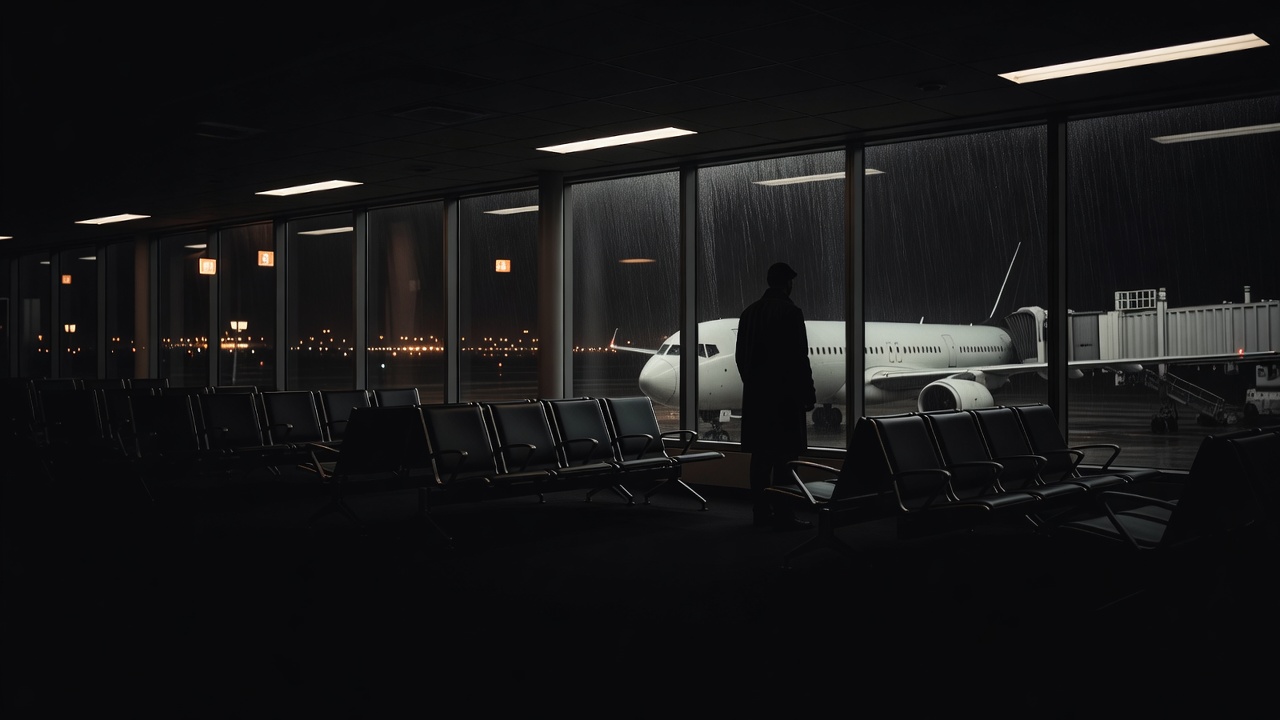
Airport gate scene evoking Quiet Skies checklist surveillance — ConspiracyRealist.com

At Gate C23, nothing looks unusual. A businessman taps his phone. A mother shifts a carry-on with her foot. Someone dozes against the window before boarding. In most airports, those details dissolve into the blur of travel. Under Quiet Skies, they could become entries in a government file. Not because the passenger was on a terror watchlist. Not because an arrest warrant existed. Because somewhere inside TSA’s rule engine, a pattern triggered extra attention — and a federal air marshal was told to watch, record, and keep watching.

The Case For

A leaked checklist turned ordinary behavior into intelligence

The strongest argument that Quiet Skies crossed a line starts with the checklist itself. In 2018, reporting by The Boston Globe and follow-up coverage summarized a leaked Federal Air Marshal checklist used on Quiet Skies assignments. The observed behaviors were strikingly mundane: whether a passenger slept on the flight, used the lavatory, changed clothes, sweated heavily, fidgeted, touched a phone, stared intensely, or appeared unusually aware of their surroundings. Secondary accounts citing the leaked document also noted that marshals could continue watching after landing long enough to log pickup details, including a vehicle’s license plate. That matters, because it suggests the mission was not limited to in-flight safety. It looked like mobile surveillance.

Congressman Stephen Lynch said the same summer that Quiet Skies selectees were not in the Terrorist Screening Database and were not known to be under investigation, yet were still subjected to enhanced screening and covert observation because they matched TSA’s risk-based rules. In plain English: ordinary travelers could be flagged by pattern, not by charge.

Official records confirm the program and the surveillance role

This is not just a media legend. A 2020 DHS Office of Inspector General report confirmed that Quiet Skies was real, that it used enhanced screening for selected passengers, and that in March 2018 TSA added Federal Air Marshal Service surveillance beyond the checkpoint. The OIG described those passengers as higher-risk or unknown-risk travelers and found that TSA lacked centralized oversight, clear measures of success, and consistent adherence to its own guidance.

A 2019 GAO report adds another important piece: Quiet Skies was a subset of Silent Partner, using Secure Flight data to identify passengers for enhanced screening on later domestic and outbound flights for a limited time or number of encounters. GAO also said Federal Air Marshals began prioritizing flights with Quiet Skies matches in March 2018 to observe those individuals and provide an onboard security presence.

Taken together, the public record supports a serious claim. Quiet Skies was not just extra screening at the checkpoint. It was a system in which a hidden rule set could route a traveler into repeated scrutiny, then hand that traveler to air marshals for close behavioral logging. If you wanted a modern template for low-visibility domestic surveillance, it is hard not to see the outline here.

That broader pattern fits squarely inside Conspiracy Realist’s archive on government secrecy and black-site logic, where programs often begin with a narrow security rationale and quietly expand into something more elastic.

The Realist’s Eye

The existence of a checklist is not proof of political targeting

Here is where the realist brake pedal matters. The leaked checklist is disturbing, but it does not automatically prove a grand domestic-spying conspiracy in the strongest sense. TSA has long argued that behavior observation and risk-based screening are layers in an aviation security system built after the failures exposed by the 2009 attempted bombing of Northwest Flight 253. From that perspective, Quiet Skies may look less like a rogue black program and more like an aggressive — perhaps badly designed — extension of an existing security culture.

Official audits also stop short of saying the program was unlawful on its face. GAO found that TSA generally coordinated with oversight stakeholders, even while criticizing its review process and weak effectiveness metrics. OIG’s core conclusion was managerial and structural: TSA could not demonstrate the program worked as intended, did not always follow its own rules, and failed to establish sufficient oversight. That is a serious indictment, but it is not the same as a documented finding that the agency created Quiet Skies to monitor dissidents for political reasons.

The hardest question is effectiveness, not just secrecy

The most damaging official criticism may be simpler than conspiracy: no one could show the surveillance actually improved safety. OIG said TSA lacked outcome-based performance goals. GAO said TSA tracked some implementation data but had not found a comprehensive way to measure effectiveness. If the state is going to collect intimate observations about innocent travelers, even temporarily, it needs more than a vague promise that the system might help. It needs proof.

That gap is what makes the checklist story endure. Programs like this live in the space between possibility and proof. The possibility is clear: data-driven targeting, repeated enhanced screening, covert observation, after-action reporting. The proof that it delivered meaningful security results is much harder to find. Readers who want the larger travel-surveillance backdrop can trace that architecture through our earlier look at the Quiet Skies program itself, which shows how rule-based targeting already stretched beyond traditional watchlists.

What We Know For Certain

  • Quiet Skies was a real TSA program that subjected selected travelers to enhanced screening and, beginning in March 2018, Federal Air Marshal surveillance beyond checkpoints.
  • GAO documented that Quiet Skies was a subset of Silent Partner and relied on Secure Flight screening rules to identify passengers for follow-on domestic or outbound scrutiny.
  • DHS OIG found TSA lacked outcome-based performance measures, centralized oversight, and consistent adherence to Quiet Skies guidance.
  • Public reporting in 2018, supported by leaked documents and later cited by watchdog and civil-liberties groups, described marshals logging ordinary passenger behavior in granular detail.

The Unanswered Questions

  • What exact rule combinations most often triggered Quiet Skies placement for travelers who were not on any watchlist?
  • How often did Federal Air Marshal after-action reports produce information that changed an investigation or prevented a concrete threat?
  • What retention, sharing, and redress rules governed behavioral notes collected on travelers who never committed any offense?
  • How much of Quiet Skies survived inside successor screening workflows, even if the branding or formal program changed?

The Closer — You Decide

Maybe the Quiet Skies checklist was the paperwork of a nervous security bureaucracy improvising after a real terror threat. Maybe it was something more revealing: a glimpse of how easily ordinary life becomes suspicious once a secret rule set starts sorting people in the background. The documents we do have are enough to prove the monitoring happened. The documents we do not have would tell us whether it was disciplined security, bureaucratic drift, or a habit of surveillance looking for a mission. The evidence is on the table. You decide.

Quiet Skies Checklists: What Air Marshals Logged

Airport gate scene evoking Quiet Skies checklist surveillance — ConspiracyRealist.com

At Gate C23, nothing looks unusual. A businessman taps his phone. A mother shifts a carry-on with her foot. Someone dozes against the window before boarding. In most airports, those details dissolve into the blur of travel. Under Quiet Skies, they could become entries in a government file. Not because the passenger was on a terror watchlist. Not because an arrest warrant existed. Because somewhere inside TSA’s rule engine, a pattern triggered extra attention — and a federal air marshal was told to watch, record, and keep watching.

The Case For

A leaked checklist turned ordinary behavior into intelligence

The strongest argument that Quiet Skies crossed a line starts with the checklist itself. In 2018, reporting by The Boston Globe and follow-up coverage summarized a leaked Federal Air Marshal checklist used on Quiet Skies assignments. The observed behaviors were strikingly mundane: whether a passenger slept on the flight, used the lavatory, changed clothes, sweated heavily, fidgeted, touched a phone, stared intensely, or appeared unusually aware of their surroundings. Secondary accounts citing the leaked document also noted that marshals could continue watching after landing long enough to log pickup details, including a vehicle’s license plate. That matters, because it suggests the mission was not limited to in-flight safety. It looked like mobile surveillance.

Congressman Stephen Lynch said the same summer that Quiet Skies selectees were not in the Terrorist Screening Database and were not known to be under investigation, yet were still subjected to enhanced screening and covert observation because they matched TSA’s risk-based rules. In plain English: ordinary travelers could be flagged by pattern, not by charge.

Official records confirm the program and the surveillance role

This is not just a media legend. A 2020 DHS Office of Inspector General report confirmed that Quiet Skies was real, that it used enhanced screening for selected passengers, and that in March 2018 TSA added Federal Air Marshal Service surveillance beyond the checkpoint. The OIG described those passengers as higher-risk or unknown-risk travelers and found that TSA lacked centralized oversight, clear measures of success, and consistent adherence to its own guidance.

A 2019 GAO report adds another important piece: Quiet Skies was a subset of Silent Partner, using Secure Flight data to identify passengers for enhanced screening on later domestic and outbound flights for a limited time or number of encounters. GAO also said Federal Air Marshals began prioritizing flights with Quiet Skies matches in March 2018 to observe those individuals and provide an onboard security presence.

Taken together, the public record supports a serious claim. Quiet Skies was not just extra screening at the checkpoint. It was a system in which a hidden rule set could route a traveler into repeated scrutiny, then hand that traveler to air marshals for close behavioral logging. If you wanted a modern template for low-visibility domestic surveillance, it is hard not to see the outline here.

That broader pattern fits squarely inside Conspiracy Realist’s archive on government secrecy and black-site logic, where programs often begin with a narrow security rationale and quietly expand into something more elastic.

The Realist’s Eye

The existence of a checklist is not proof of political targeting

Here is where the realist brake pedal matters. The leaked checklist is disturbing, but it does not automatically prove a grand domestic-spying conspiracy in the strongest sense. TSA has long argued that behavior observation and risk-based screening are layers in an aviation security system built after the failures exposed by the 2009 attempted bombing of Northwest Flight 253. From that perspective, Quiet Skies may look less like a rogue black program and more like an aggressive — perhaps badly designed — extension of an existing security culture.

Official audits also stop short of saying the program was unlawful on its face. GAO found that TSA generally coordinated with oversight stakeholders, even while criticizing its review process and weak effectiveness metrics. OIG’s core conclusion was managerial and structural: TSA could not demonstrate the program worked as intended, did not always follow its own rules, and failed to establish sufficient oversight. That is a serious indictment, but it is not the same as a documented finding that the agency created Quiet Skies to monitor dissidents for political reasons.

The hardest question is effectiveness, not just secrecy

The most damaging official criticism may be simpler than conspiracy: no one could show the surveillance actually improved safety. OIG said TSA lacked outcome-based performance goals. GAO said TSA tracked some implementation data but had not found a comprehensive way to measure effectiveness. If the state is going to collect intimate observations about innocent travelers, even temporarily, it needs more than a vague promise that the system might help. It needs proof.

That gap is what makes the checklist story endure. Programs like this live in the space between possibility and proof. The possibility is clear: data-driven targeting, repeated enhanced screening, covert observation, after-action reporting. The proof that it delivered meaningful security results is much harder to find. Readers who want the larger travel-surveillance backdrop can trace that architecture through our earlier look at the Quiet Skies program itself, which shows how rule-based targeting already stretched beyond traditional watchlists.

What We Know For Certain

  • Quiet Skies was a real TSA program that subjected selected travelers to enhanced screening and, beginning in March 2018, Federal Air Marshal surveillance beyond checkpoints.
  • GAO documented that Quiet Skies was a subset of Silent Partner and relied on Secure Flight screening rules to identify passengers for follow-on domestic or outbound scrutiny.
  • DHS OIG found TSA lacked outcome-based performance measures, centralized oversight, and consistent adherence to Quiet Skies guidance.
  • Public reporting in 2018, supported by leaked documents and later cited by watchdog and civil-liberties groups, described marshals logging ordinary passenger behavior in granular detail.

The Unanswered Questions

  • What exact rule combinations most often triggered Quiet Skies placement for travelers who were not on any watchlist?
  • How often did Federal Air Marshal after-action reports produce information that changed an investigation or prevented a concrete threat?
  • What retention, sharing, and redress rules governed behavioral notes collected on travelers who never committed any offense?
  • How much of Quiet Skies survived inside successor screening workflows, even if the branding or formal program changed?

The Closer — You Decide

Maybe the Quiet Skies checklist was the paperwork of a nervous security bureaucracy improvising after a real terror threat. Maybe it was something more revealing: a glimpse of how easily ordinary life becomes suspicious once a secret rule set starts sorting people in the background. The documents we do have are enough to prove the monitoring happened. The documents we do not have would tell us whether it was disciplined security, bureaucratic drift, or a habit of surveillance looking for a mission. The evidence is on the table. You decide.

Table of contents