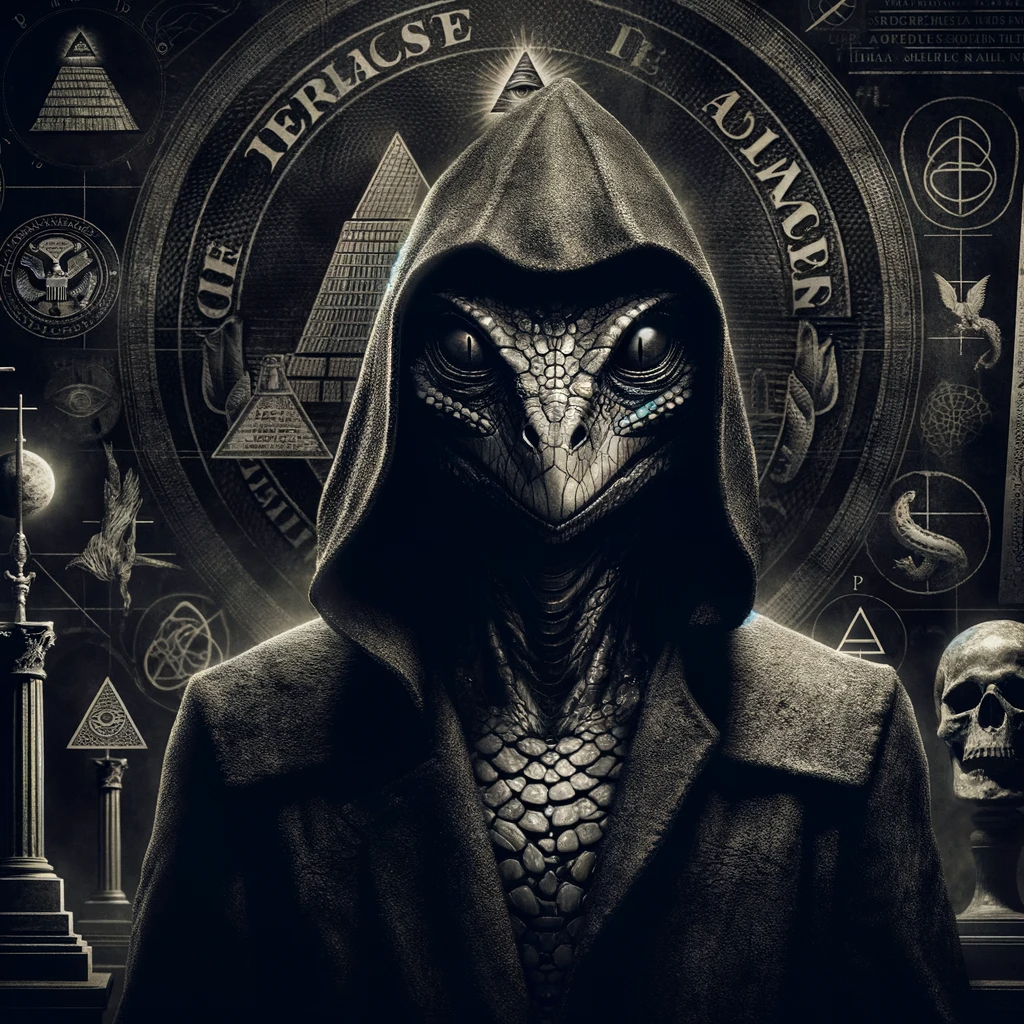
What are the Vatican’s Secret Archives?
The Vatican, the heart of the Catholic Church, has long been shrouded in mystery and intrigue, particularly regarding its Secret Archives. Conspiracy theorists have for decades speculated that the Vatican’s archives hold ancient texts that, if revealed, could drastically alter the understanding of Christianity. This theory posits that the Church has deliberately hidden or suppressed these documents to maintain control and prevent challenges to established religious doctrine.
Origins of the Conspiracy
The origins of this conspiracy theory are deeply entwined with the history of the Catholic Church itself. The Vatican Apostolic Archive, commonly referred to as the Vatican Secret Archive, is a treasure trove of historical documents, including papal correspondence, state papers, and other ecclesiastical documents accumulated over centuries. The term “secret” in its name refers to the private nature of the archive, accessible only to select individuals and not the public at large.
Contents of the Alleged Hidden Texts
Conspiracy theorists speculate that these archives contain explosive information that could challenge the very foundations of Christianity. This includes alternate accounts of Jesus Christ’s life and teachings, possibly contradicting the canonical Gospels. Some believe that there are documents which provide evidence of the Church’s involvement in controversial historical events, or even proof of contact with extraterrestrial beings. Others speculate about the existence of gospels and texts from early Christianity that were suppressed during the formation of the orthodox biblical canon.
Impact on Christianity and the Church
If such texts were to exist and be made public, the implications for Christianity and the Church would be monumental. It could lead to a reevaluation of religious beliefs, practices, and the very nature of faith. The Church’s authority and credibility might be severely undermined, potentially leading to a major shift in religious and cultural dynamics worldwide.
Most Popular Explanations Behind the Conspiracy
1. Control Over Religious Narrative:
- Theory: The Vatican aims to maintain its theological and moral authority. By controlling religious narratives, the Church ensures its doctrines remain unchallenged.
- Context: Throughout history, the Church has faced heresies and schisms. Keeping potentially contradictory texts hidden could be seen as a way to prevent dissent and maintain doctrinal purity.
2. Political Power and Influence:
- Theory: The Church uses its alleged secret knowledge as a means to exert influence over political entities.
- Context: The Church has historically played a significant role in European politics. Concealing documents that could impact world affairs or reveal past political machinations could be a strategy for maintaining influence.
3. Protection of Religious Sentiments:
- Theory: Revealing controversial texts could harm the faith of millions and cause widespread theological confusion.
- Context: For many believers, faith is integral to their identity. Exposure of texts that contradict long-held beliefs could lead to disillusionment and loss of faith.
Variations of the Conspiracy Theory
1. The Gnostic Gospels:
- Variation: The archives contain Gnostic texts that offer a different interpretation of Christianity, possibly diminishing the divinity of Jesus.
- Context: The discovery of the Nag Hammadi library in the 20th century, which contained Gnostic texts, fueled speculation about other hidden texts.
2. Extraterrestrial Evidence:
- Variation: The Vatican holds proof of extraterrestrial life, potentially redefining human understanding of the universe and our place in it.
- Context: This theory gained traction with the Vatican’s increased engagement in astronomy and comments by some church officials about the possibility of extraterrestrial life.
3. Prophecies and Predictions:
- Variation: The archives contain prophecies about the future of humanity or the Church, which are kept secret to avoid public panic or scrutiny.
- Context: This theory often references the Third Secret of Fatima, a prophecy supposedly revealed by the Virgin Mary to three Portuguese children, which was eventually published by the Vatican in 2000.
Evidence Opposing the Validity of the Conspiracy
1. Historical Transparency:
- Evidence: In recent years, the Vatican has opened parts of its archives to scholars, showing a willingness to allow historical research.
- Context: This move has been seen as an effort to dispel myths about the secrecy of the Church’s documents.
2. Logistical Challenges:
- Evidence: The sheer volume of documents in the Vatican archives makes it improbable that such explosive texts could remain hidden or undiscovered by scholars.
- Context: With millions of documents spanning centuries, it would be a monumental task to keep specific texts secret.
3. Lack of Concrete Evidence:
- Evidence: There is no concrete proof or credible documentation that supports the existence of these earth-shattering texts.
- Context: Conspiracy theories often rely on speculation and circumstantial evidence rather than hard facts.
This narrative around the Vatican’s Secret Archives and its alleged hidden texts provides a captivating look into one of the most intriguing religious conspiracy theories. It invites readers to ponder the complexities of faith, power, and the unknown.