Menu

Charles Harrelson: President Killer?

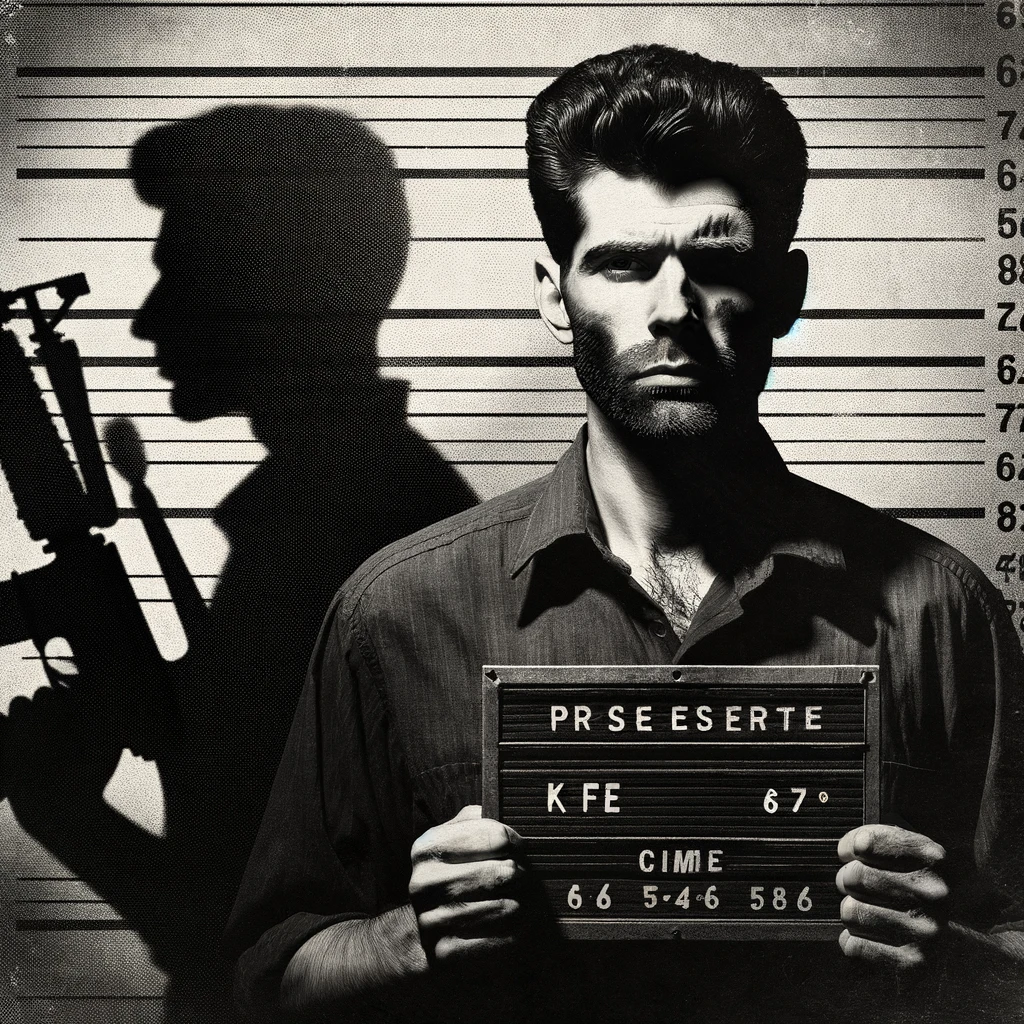
Black and white mugshot-style image of a man with features similar to Charles Harrelson, his face partly shadowed, standing next to the shadowy outline of a rifle, reflecting the intrigue of his alleged criminal past
Echoes of the Past: A Glimpse into the Shadowy Figure of Charles Harrelson

The Charles Harrelson Conspiracy Theory

The theory posits Charles Harrelson as a shadowy figure with the requisite underworld connections, marksmanship skills, and the audacity to undertake such a high-profile assassination. Proponents argue that his known criminal record, coupled with his presence in Texas at the assassination’s time, lays a circumstantial foundation for his involvement. The infamous photograph of the “three tramps” detained near Dealey Plaza shortly after the assassination has been cited by theorists as potential evidence of Harrelson’s presence at the crime scene, despite significant contention and lack of definitive proof.

This theory gains complexity when considering Harrelson’s own admission during a drug-induced standoff, where he claimed to have been involved in the assassination. This claim, although later dismissed by Harrelson himself as a fabrication, has been seized upon by conspiracy theorists as a ‘slip’ that revealed a deeper truth. The FBI’s dismissal of his involvement has not deterred speculation, with theorists suggesting that Harrelson’s criminal profile fits the mold of someone who could be implicated in such a monumental crime.

Variations of the Conspiracy Theory

The Charles Harrelson conspiracy theory branches into various narratives, with some suggesting he acted alone and others proposing he was part of a larger conspiracy involving multiple gunmen. These theories often intersect with broader JFK assassination conspiracies, implicating organizations such as the Mafia, the CIA, or even anti-Castro Cuban groups. This blend of theories paints a picture of a vast and complex plot, with Harrelson purportedly playing a key role in a broader scheme to assassinate Kennedy.

The speculation surrounding Harrelson’s involvement is bolstered by his known associations with organized crime and his reputation as a skilled hitman. Theories vary from Harrelson being a hired gun for the Mafia to being part of a covert operation orchestrated by shadowy government entities. Each variation adds layers to the conspiracy, making it a dense web of intrigue and speculation.

Evidence Opposing the Validity

Despite the enthralling narrative constructed around Charles Harrelson’s alleged involvement, the theory is undermined by a significant lack of tangible evidence. The identification of Harrelson as one of the “three tramps” has been thoroughly contested, with research and forensic analysis suggesting alternative identities for the individuals in the photograph. Harrelson’s own recantation of his claims, attributed to his intoxicated state during the standoff, further detracts from the credibility of the theory.

The FBI and other investigative bodies have conducted extensive investigations into the JFK assassination, with no evidence emerging to support Harrelson’s involvement. The reliance on speculative connections and circumstantial evidence has led many to dismiss the theory as a distraction from more plausible explanations. Critics argue that such theories undermine the serious scholarship surrounding the assassination and disrespect the memories of those directly affected by the tragedy.

What’s the truth?

The conspiracy theory linking Charles Harrelson to the JFK assassination serves as a fascinating chapter in the broader narrative of JFK conspiracy lore. It encapsulates the enduring allure of conspiracy theories and their ability to challenge official narratives, inviting the public to question and speculate beyond the presented facts. While the theory lacks the concrete evidence necessary to elevate it beyond speculation, it remains a compelling story that reflects the complex nature of historical interpretation and the human penchant for mystery.

In the vast landscape of conspiracy theories, the Charles Harrelson narrative stands as a vivid illustration of how individual stories can become intertwined with historical events, leading to intricate theories that captivate and provoke. Regardless of its plausibility, the theory underscores the lasting impact of JFK’s assassination on the collective consciousness, reminding us of the enduring quest for truth in a world brimming with uncertainties and shadows.

dive down the rabbit hole

Charles Harrelson: President Killer?

Black and white mugshot-style image of a man with features similar to Charles Harrelson, his face partly shadowed, standing next to the shadowy outline of a rifle, reflecting the intrigue of his alleged criminal past

The Charles Harrelson Conspiracy Theory

The theory posits Charles Harrelson as a shadowy figure with the requisite underworld connections, marksmanship skills, and the audacity to undertake such a high-profile assassination. Proponents argue that his known criminal record, coupled with his presence in Texas at the assassination’s time, lays a circumstantial foundation for his involvement. The infamous photograph of the “three tramps” detained near Dealey Plaza shortly after the assassination has been cited by theorists as potential evidence of Harrelson’s presence at the crime scene, despite significant contention and lack of definitive proof.

This theory gains complexity when considering Harrelson’s own admission during a drug-induced standoff, where he claimed to have been involved in the assassination. This claim, although later dismissed by Harrelson himself as a fabrication, has been seized upon by conspiracy theorists as a ‘slip’ that revealed a deeper truth. The FBI’s dismissal of his involvement has not deterred speculation, with theorists suggesting that Harrelson’s criminal profile fits the mold of someone who could be implicated in such a monumental crime.

Variations of the Conspiracy Theory

The Charles Harrelson conspiracy theory branches into various narratives, with some suggesting he acted alone and others proposing he was part of a larger conspiracy involving multiple gunmen. These theories often intersect with broader JFK assassination conspiracies, implicating organizations such as the Mafia, the CIA, or even anti-Castro Cuban groups. This blend of theories paints a picture of a vast and complex plot, with Harrelson purportedly playing a key role in a broader scheme to assassinate Kennedy.

The speculation surrounding Harrelson’s involvement is bolstered by his known associations with organized crime and his reputation as a skilled hitman. Theories vary from Harrelson being a hired gun for the Mafia to being part of a covert operation orchestrated by shadowy government entities. Each variation adds layers to the conspiracy, making it a dense web of intrigue and speculation.

Evidence Opposing the Validity

Despite the enthralling narrative constructed around Charles Harrelson’s alleged involvement, the theory is undermined by a significant lack of tangible evidence. The identification of Harrelson as one of the “three tramps” has been thoroughly contested, with research and forensic analysis suggesting alternative identities for the individuals in the photograph. Harrelson’s own recantation of his claims, attributed to his intoxicated state during the standoff, further detracts from the credibility of the theory.

The FBI and other investigative bodies have conducted extensive investigations into the JFK assassination, with no evidence emerging to support Harrelson’s involvement. The reliance on speculative connections and circumstantial evidence has led many to dismiss the theory as a distraction from more plausible explanations. Critics argue that such theories undermine the serious scholarship surrounding the assassination and disrespect the memories of those directly affected by the tragedy.

What’s the truth?

The conspiracy theory linking Charles Harrelson to the JFK assassination serves as a fascinating chapter in the broader narrative of JFK conspiracy lore. It encapsulates the enduring allure of conspiracy theories and their ability to challenge official narratives, inviting the public to question and speculate beyond the presented facts. While the theory lacks the concrete evidence necessary to elevate it beyond speculation, it remains a compelling story that reflects the complex nature of historical interpretation and the human penchant for mystery.

In the vast landscape of conspiracy theories, the Charles Harrelson narrative stands as a vivid illustration of how individual stories can become intertwined with historical events, leading to intricate theories that captivate and provoke. Regardless of its plausibility, the theory underscores the lasting impact of JFK’s assassination on the collective consciousness, reminding us of the enduring quest for truth in a world brimming with uncertainties and shadows.

Table of contents

Charles Harrelson: President Killer?

The Charles Harrelson Conspiracy Theory The theory posits Charles Harrelson as a shadowy figure with the requisite underworld connections, marksmanship skills, and the audacity to undertake such a high-profile assassination. Proponents argue that his known criminal record, coupled with his presence in Texas at the assassination’s time, lays a circumstantial foundation for his involvement. The infamous photograph of the “three tramps” detained near Dealey Plaza shortly after the assassination has been cited by theorists as potential evidence of Harrelson’s presence at the crime scene, despite significant contention and lack of definitive proof. This theory gains complexity when considering Harrelson’s…

S-FX.com
Black and white mugshot-style image of a man with features similar to Charles Harrelson, his face partly shadowed, standing next to the shadowy outline of a rifle, reflecting the intrigue of his alleged criminal past
Echoes of the Past: A Glimpse into the Shadowy Figure of Charles Harrelson

The Charles Harrelson Conspiracy Theory

The theory posits Charles Harrelson as a shadowy figure with the requisite underworld connections, marksmanship skills, and the audacity to undertake such a high-profile assassination. Proponents argue that his known criminal record, coupled with his presence in Texas at the assassination’s time, lays a circumstantial foundation for his involvement. The infamous photograph of the “three tramps” detained near Dealey Plaza shortly after the assassination has been cited by theorists as potential evidence of Harrelson’s presence at the crime scene, despite significant contention and lack of definitive proof.

This theory gains complexity when considering Harrelson’s own admission during a drug-induced standoff, where he claimed to have been involved in the assassination. This claim, although later dismissed by Harrelson himself as a fabrication, has been seized upon by conspiracy theorists as a ‘slip’ that revealed a deeper truth. The FBI’s dismissal of his involvement has not deterred speculation, with theorists suggesting that Harrelson’s criminal profile fits the mold of someone who could be implicated in such a monumental crime.

Variations of the Conspiracy Theory

The Charles Harrelson conspiracy theory branches into various narratives, with some suggesting he acted alone and others proposing he was part of a larger conspiracy involving multiple gunmen. These theories often intersect with broader JFK assassination conspiracies, implicating organizations such as the Mafia, the CIA, or even anti-Castro Cuban groups. This blend of theories paints a picture of a vast and complex plot, with Harrelson purportedly playing a key role in a broader scheme to assassinate Kennedy.

The speculation surrounding Harrelson’s involvement is bolstered by his known associations with organized crime and his reputation as a skilled hitman. Theories vary from Harrelson being a hired gun for the Mafia to being part of a covert operation orchestrated by shadowy government entities. Each variation adds layers to the conspiracy, making it a dense web of intrigue and speculation.

Evidence Opposing the Validity

Despite the enthralling narrative constructed around Charles Harrelson’s alleged involvement, the theory is undermined by a significant lack of tangible evidence. The identification of Harrelson as one of the “three tramps” has been thoroughly contested, with research and forensic analysis suggesting alternative identities for the individuals in the photograph. Harrelson’s own recantation of his claims, attributed to his intoxicated state during the standoff, further detracts from the credibility of the theory.

The FBI and other investigative bodies have conducted extensive investigations into the JFK assassination, with no evidence emerging to support Harrelson’s involvement. The reliance on speculative connections and circumstantial evidence has led many to dismiss the theory as a distraction from more plausible explanations. Critics argue that such theories undermine the serious scholarship surrounding the assassination and disrespect the memories of those directly affected by the tragedy.

What’s the truth?

The conspiracy theory linking Charles Harrelson to the JFK assassination serves as a fascinating chapter in the broader narrative of JFK conspiracy lore. It encapsulates the enduring allure of conspiracy theories and their ability to challenge official narratives, inviting the public to question and speculate beyond the presented facts. While the theory lacks the concrete evidence necessary to elevate it beyond speculation, it remains a compelling story that reflects the complex nature of historical interpretation and the human penchant for mystery.

In the vast landscape of conspiracy theories, the Charles Harrelson narrative stands as a vivid illustration of how individual stories can become intertwined with historical events, leading to intricate theories that captivate and provoke. Regardless of its plausibility, the theory underscores the lasting impact of JFK’s assassination on the collective consciousness, reminding us of the enduring quest for truth in a world brimming with uncertainties and shadows.