Opens in a new tab
Menu

The Hidden Agenda of Planned Obsolescence

"Planned Obsolescence in Action: The Relentless Cycle of Consumerism - A satirical yet poignant reflection on the rapid pace of product replacement and its broader societal impacts."
"Visual representation of planned obsolescence with products transitioning from new to obsolete, showcasing the fast-paced cycle of consumerism driven by technology and fashion trends, underpinned by environmental and economic implications."

Understanding Planned Obsolescence

Planned obsolescence takes various forms, from the physical deterioration of goods to the psychological manipulation of consumers. The most common manifestation is in technology, where software updates render older devices obsolete, or in fashion, where trends shift so rapidly that last season’s clothes feel outdated. The essence of this strategy is not just in the reduction of product lifespan but in embedding a cycle of consumption that seems almost natural to the consumer.

Historical Context

The concept of planned obsolescence isn’t new. It traces back to the 1920s and 1930s when mass production began to take hold. Companies realized that by creating products that lasted indefinitely, they limited their future sales potential. This realization led to the intentional shortening of product lifespans, first documented in the case of the Phoebus cartel, which limited the lifespan of light bulbs to ensure continuous demand.

Economic Implications

At first glance, planned obsolescence appears to drive economic growth by stimulating demand and encouraging innovation. However, this practice also raises significant ethical and environmental concerns. The continuous cycle of manufacturing, consuming, and disposing of goods places a tremendous strain on natural resources and contributes to increased waste and pollution. Moreover, it perpetuates a culture of disposability, where the value of durability and sustainability is diminished in favor of short-term gratification.

The Conspiracy Angle

The theory of planned obsolescence as an economic conspiracy suggests that corporations and possibly complicit governments engage in this practice not just for economic gain but as part of a larger agenda to control consumer behavior and maintain economic dominance. Proponents of this theory argue that by keeping consumers in a perpetual state of need, these entities can manipulate market forces and societal trends to their advantage.

Evidence and Criticism

Evidence supporting the planned obsolescence conspiracy is often circumstantial, found in the rapid technological advancements that render products obsolete and in the secretive nature of corporate product development. Critics of the theory, however, point out that market forces and consumer demand play a significant role in shaping product lifespans. They argue that in a competitive market, the quality and durability of products can be a differentiating factor that companies leverage to their advantage.

Variations of the Conspiracy Theory

The planned obsolescence conspiracy theory branches into various narratives. Some suggest that software companies deliberately slow down older devices through updates to push consumers towards newer models. Others believe that fashion and consumer goods companies manipulate trends to create a constant demand for new products.

Opposing Views

Skeptics of the planned obsolescence conspiracy theory argue that what is often perceived as deliberate obsolescence is actually the result of rapid technological innovation and changing consumer preferences. They contend that companies are merely responding to the market’s demand for newer, better, and more efficient products.

A Call to Conscious Consumption

The debate over planned obsolescence touches on deeper issues of consumerism, sustainability, and the ethical responsibilities of corporations. Whether one views it as a necessary driver of economic growth or a nefarious economic conspiracy, the phenomenon of planned obsolescence urges consumers to become more conscious of their purchasing decisions and the lifecycle of the products they use.

As we navigate the complexities of the modern economy, understanding the dynamics of planned obsolescence can empower consumers to make choices that align with their values, whether that’s in pursuit of the latest technological advancements or in the conservation of our planet’s resources. The power, after all, may just lie in the hands of the informed consumer.

dive down the rabbit hole

The Hidden Agenda of Planned Obsolescence

"Planned Obsolescence in Action: The Relentless Cycle of Consumerism - A satirical yet poignant reflection on the rapid pace of product replacement and its broader societal impacts."

Understanding Planned Obsolescence

Planned obsolescence takes various forms, from the physical deterioration of goods to the psychological manipulation of consumers. The most common manifestation is in technology, where software updates render older devices obsolete, or in fashion, where trends shift so rapidly that last season’s clothes feel outdated. The essence of this strategy is not just in the reduction of product lifespan but in embedding a cycle of consumption that seems almost natural to the consumer.

Historical Context

The concept of planned obsolescence isn’t new. It traces back to the 1920s and 1930s when mass production began to take hold. Companies realized that by creating products that lasted indefinitely, they limited their future sales potential. This realization led to the intentional shortening of product lifespans, first documented in the case of the Phoebus cartel, which limited the lifespan of light bulbs to ensure continuous demand.

Economic Implications

At first glance, planned obsolescence appears to drive economic growth by stimulating demand and encouraging innovation. However, this practice also raises significant ethical and environmental concerns. The continuous cycle of manufacturing, consuming, and disposing of goods places a tremendous strain on natural resources and contributes to increased waste and pollution. Moreover, it perpetuates a culture of disposability, where the value of durability and sustainability is diminished in favor of short-term gratification.

The Conspiracy Angle

The theory of planned obsolescence as an economic conspiracy suggests that corporations and possibly complicit governments engage in this practice not just for economic gain but as part of a larger agenda to control consumer behavior and maintain economic dominance. Proponents of this theory argue that by keeping consumers in a perpetual state of need, these entities can manipulate market forces and societal trends to their advantage.

Evidence and Criticism

Evidence supporting the planned obsolescence conspiracy is often circumstantial, found in the rapid technological advancements that render products obsolete and in the secretive nature of corporate product development. Critics of the theory, however, point out that market forces and consumer demand play a significant role in shaping product lifespans. They argue that in a competitive market, the quality and durability of products can be a differentiating factor that companies leverage to their advantage.

Variations of the Conspiracy Theory

The planned obsolescence conspiracy theory branches into various narratives. Some suggest that software companies deliberately slow down older devices through updates to push consumers towards newer models. Others believe that fashion and consumer goods companies manipulate trends to create a constant demand for new products.

Opposing Views

Skeptics of the planned obsolescence conspiracy theory argue that what is often perceived as deliberate obsolescence is actually the result of rapid technological innovation and changing consumer preferences. They contend that companies are merely responding to the market’s demand for newer, better, and more efficient products.

A Call to Conscious Consumption

The debate over planned obsolescence touches on deeper issues of consumerism, sustainability, and the ethical responsibilities of corporations. Whether one views it as a necessary driver of economic growth or a nefarious economic conspiracy, the phenomenon of planned obsolescence urges consumers to become more conscious of their purchasing decisions and the lifecycle of the products they use.

As we navigate the complexities of the modern economy, understanding the dynamics of planned obsolescence can empower consumers to make choices that align with their values, whether that’s in pursuit of the latest technological advancements or in the conservation of our planet’s resources. The power, after all, may just lie in the hands of the informed consumer.
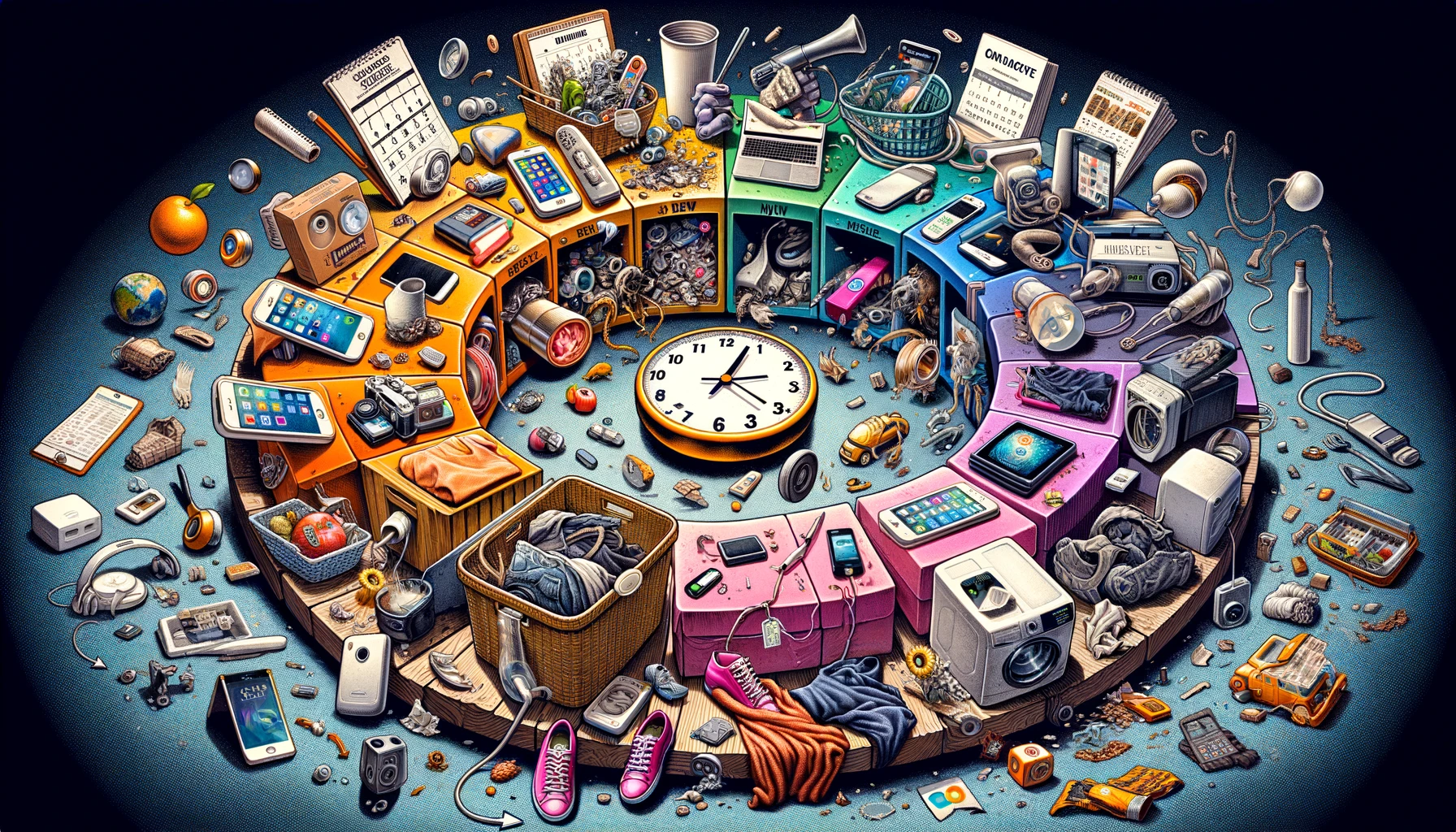
Table of contents

The Hidden Agenda of Planned Obsolescence

Understanding Planned Obsolescence Planned obsolescence takes various forms, from the physical deterioration of goods to the psychological manipulation of consumers. The most common manifestation is in technology, where software updates render older devices obsolete, or in fashion, where trends shift so rapidly that last season’s clothes feel outdated. The essence of this strategy is not just in the reduction of product lifespan but in embedding a cycle of consumption that seems almost natural to the consumer. Historical Context The concept of planned obsolescence isn’t new. It traces back to the 1920s and 1930s when mass production began to take…

S-FX.com
"Planned Obsolescence in Action: The Relentless Cycle of Consumerism - A satirical yet poignant reflection on the rapid pace of product replacement and its broader societal impacts."
"Visual representation of planned obsolescence with products transitioning from new to obsolete, showcasing the fast-paced cycle of consumerism driven by technology and fashion trends, underpinned by environmental and economic implications."

Understanding Planned Obsolescence

Planned obsolescence takes various forms, from the physical deterioration of goods to the psychological manipulation of consumers. The most common manifestation is in technology, where software updates render older devices obsolete, or in fashion, where trends shift so rapidly that last season’s clothes feel outdated. The essence of this strategy is not just in the reduction of product lifespan but in embedding a cycle of consumption that seems almost natural to the consumer.

Historical Context

The concept of planned obsolescence isn’t new. It traces back to the 1920s and 1930s when mass production began to take hold. Companies realized that by creating products that lasted indefinitely, they limited their future sales potential. This realization led to the intentional shortening of product lifespans, first documented in the case of the Phoebus cartel, which limited the lifespan of light bulbs to ensure continuous demand.

Economic Implications

At first glance, planned obsolescence appears to drive economic growth by stimulating demand and encouraging innovation. However, this practice also raises significant ethical and environmental concerns. The continuous cycle of manufacturing, consuming, and disposing of goods places a tremendous strain on natural resources and contributes to increased waste and pollution. Moreover, it perpetuates a culture of disposability, where the value of durability and sustainability is diminished in favor of short-term gratification.

The Conspiracy Angle

The theory of planned obsolescence as an economic conspiracy suggests that corporations and possibly complicit governments engage in this practice not just for economic gain but as part of a larger agenda to control consumer behavior and maintain economic dominance. Proponents of this theory argue that by keeping consumers in a perpetual state of need, these entities can manipulate market forces and societal trends to their advantage.

Evidence and Criticism

Evidence supporting the planned obsolescence conspiracy is often circumstantial, found in the rapid technological advancements that render products obsolete and in the secretive nature of corporate product development. Critics of the theory, however, point out that market forces and consumer demand play a significant role in shaping product lifespans. They argue that in a competitive market, the quality and durability of products can be a differentiating factor that companies leverage to their advantage.

Variations of the Conspiracy Theory

The planned obsolescence conspiracy theory branches into various narratives. Some suggest that software companies deliberately slow down older devices through updates to push consumers towards newer models. Others believe that fashion and consumer goods companies manipulate trends to create a constant demand for new products.

Opposing Views

Skeptics of the planned obsolescence conspiracy theory argue that what is often perceived as deliberate obsolescence is actually the result of rapid technological innovation and changing consumer preferences. They contend that companies are merely responding to the market’s demand for newer, better, and more efficient products.

A Call to Conscious Consumption

The debate over planned obsolescence touches on deeper issues of consumerism, sustainability, and the ethical responsibilities of corporations. Whether one views it as a necessary driver of economic growth or a nefarious economic conspiracy, the phenomenon of planned obsolescence urges consumers to become more conscious of their purchasing decisions and the lifecycle of the products they use.

As we navigate the complexities of the modern economy, understanding the dynamics of planned obsolescence can empower consumers to make choices that align with their values, whether that’s in pursuit of the latest technological advancements or in the conservation of our planet’s resources. The power, after all, may just lie in the hands of the informed consumer.