Opens in a new tab
Menu

The Kona Blue Conspiracy Theory and Its Impact on Hawaii

Contrasting image showing the pristine underwater environment of Kona with vibrant coral reefs and marine life on one side, and a dark, industrial aquaculture facility on the other, representing the Kona Blue Conspiracy Theory.
Impact of Industrial Expansion on Kona's Marine Life: A Visual Representation of the Kona Blue Conspiracy Theory.

The Setting and the Suspicion

Kona, known worldwide for its pristine waters and rich marine biodiversity, is not just a paradise for tourists but also a battleground for various interest groups. At the heart of the Kona Blue Conspiracy Theory is the allegation that certain aquaculture corporations, possibly in cahoots with corrupt local officials, have been manipulating environmental studies and silencing opposition to expand their operations. These expansions are said to endanger the delicate marine ecosystem, which includes several endangered species.

The Aquaculture Industry and Indigenous Rights

The controversy intensifies with the involvement of indigenous groups who claim that the unchecked growth of aquaculture facilities is violating their ancestral fishing rights and harming their cultural heritage. These accusations are set against a backdrop of historical grievances, where native Hawaiian rights have often been overlooked in favor of commercial interests.

Most Popular Explanation Behind the Kona Blue Conspiracy

The most popular version of the Kona Blue Conspiracy Theory suggests that the aquaculture industry has employed dubious methods to secure permits for expansion. This includes allegedly falsifying environmental impact reports and bribing officials to push through approvals. Moreover, there are whispers of scientists and environmentalists who faced threats or even mysterious accidents after opposing these developments.

Corporate Motives and Environmental Impacts

Critics argue that the motive behind these actions is purely financial. The aquaculture companies involved are accused of prioritizing profits over ecological and social responsibilities. The environmental impact includes significant disruptions to the coral reefs and local fish populations, crucial both for the ecosystem’s health and the local fishing economy.

Variations of the Conspiracy Theory

There are several variations of the Kona Blue Conspiracy Theory. Some suggest that international syndicates are involved, using Hawaii as a base to implement similar schemes globally. Others believe that the U.S. government has a hand in it, citing historical instances of federal involvement in local Hawaiian affairs.

The Role of Media and Public Perception

The variations largely depend on the perceived involvement of different entities and the extent of their alleged corruption. These different narratives are often fueled by selective media reporting, which either sensationalizes the issue to attract attention or downplays it to preserve the status quo.

Evidence Opposing the Validity of the Kona Blue Conspiracy

Despite the compelling narrative, there is significant evidence against the conspiracy theory. Several independent environmental studies, conducted by reputable scientists without ties to the aquaculture industry, have found minimal negative impacts associated with the current aquaculture practices in Kona.

Scientific Consensus and Regulatory Oversight

These studies suggest that the regulations in place are adequate and that the environmental monitoring programs established by state and federal agencies are effective. Furthermore, there has been no concrete proof of the alleged bribery and falsification of reports, and many believe these accusations are based more on speculation and mistrust than on hard evidence.

Conclusion

The Kona Blue Conspiracy Theory encapsulates the complex interplay between economic development and environmental conservation. It highlights the need for transparency and accountability in managing natural resources, especially in culturally and ecologically sensitive areas like Kona. While it serves as a reminder of the potential for corruption in any lucrative industry, it also underscores the importance of critical scrutiny and informed public debate.

This narrative invites readers to reflect on how economic interests can sometimes overshadow environmental and indigenous rights and the importance of safeguarding these rights against potential exploitation. As we continue to explore the depths of this conspiracy theory, let’s remain vigilant and proactive in our efforts to ensure that development does not come at the expense of environmental degradation and cultural erosion.

Another Envireonmental theory that might interest you is The Great Barrier Reef Cover-Up: The Hidden Crisis. Read it here!

dive down the rabbit hole

The Kona Blue Conspiracy Theory and Its Impact on Hawaii

Contrasting image showing the pristine underwater environment of Kona with vibrant coral reefs and marine life on one side, and a dark, industrial aquaculture facility on the other, representing the Kona Blue Conspiracy Theory.

The Setting and the Suspicion

Kona, known worldwide for its pristine waters and rich marine biodiversity, is not just a paradise for tourists but also a battleground for various interest groups. At the heart of the Kona Blue Conspiracy Theory is the allegation that certain aquaculture corporations, possibly in cahoots with corrupt local officials, have been manipulating environmental studies and silencing opposition to expand their operations. These expansions are said to endanger the delicate marine ecosystem, which includes several endangered species.

The Aquaculture Industry and Indigenous Rights

The controversy intensifies with the involvement of indigenous groups who claim that the unchecked growth of aquaculture facilities is violating their ancestral fishing rights and harming their cultural heritage. These accusations are set against a backdrop of historical grievances, where native Hawaiian rights have often been overlooked in favor of commercial interests.

Most Popular Explanation Behind the Kona Blue Conspiracy

The most popular version of the Kona Blue Conspiracy Theory suggests that the aquaculture industry has employed dubious methods to secure permits for expansion. This includes allegedly falsifying environmental impact reports and bribing officials to push through approvals. Moreover, there are whispers of scientists and environmentalists who faced threats or even mysterious accidents after opposing these developments.

Corporate Motives and Environmental Impacts

Critics argue that the motive behind these actions is purely financial. The aquaculture companies involved are accused of prioritizing profits over ecological and social responsibilities. The environmental impact includes significant disruptions to the coral reefs and local fish populations, crucial both for the ecosystem’s health and the local fishing economy.

Variations of the Conspiracy Theory

There are several variations of the Kona Blue Conspiracy Theory. Some suggest that international syndicates are involved, using Hawaii as a base to implement similar schemes globally. Others believe that the U.S. government has a hand in it, citing historical instances of federal involvement in local Hawaiian affairs.

The Role of Media and Public Perception

The variations largely depend on the perceived involvement of different entities and the extent of their alleged corruption. These different narratives are often fueled by selective media reporting, which either sensationalizes the issue to attract attention or downplays it to preserve the status quo.

Evidence Opposing the Validity of the Kona Blue Conspiracy

Despite the compelling narrative, there is significant evidence against the conspiracy theory. Several independent environmental studies, conducted by reputable scientists without ties to the aquaculture industry, have found minimal negative impacts associated with the current aquaculture practices in Kona.

Scientific Consensus and Regulatory Oversight

These studies suggest that the regulations in place are adequate and that the environmental monitoring programs established by state and federal agencies are effective. Furthermore, there has been no concrete proof of the alleged bribery and falsification of reports, and many believe these accusations are based more on speculation and mistrust than on hard evidence.

Conclusion

The Kona Blue Conspiracy Theory encapsulates the complex interplay between economic development and environmental conservation. It highlights the need for transparency and accountability in managing natural resources, especially in culturally and ecologically sensitive areas like Kona. While it serves as a reminder of the potential for corruption in any lucrative industry, it also underscores the importance of critical scrutiny and informed public debate.

This narrative invites readers to reflect on how economic interests can sometimes overshadow environmental and indigenous rights and the importance of safeguarding these rights against potential exploitation. As we continue to explore the depths of this conspiracy theory, let’s remain vigilant and proactive in our efforts to ensure that development does not come at the expense of environmental degradation and cultural erosion.

Another Envireonmental theory that might interest you is The Great Barrier Reef Cover-Up: The Hidden Crisis. Read it here!
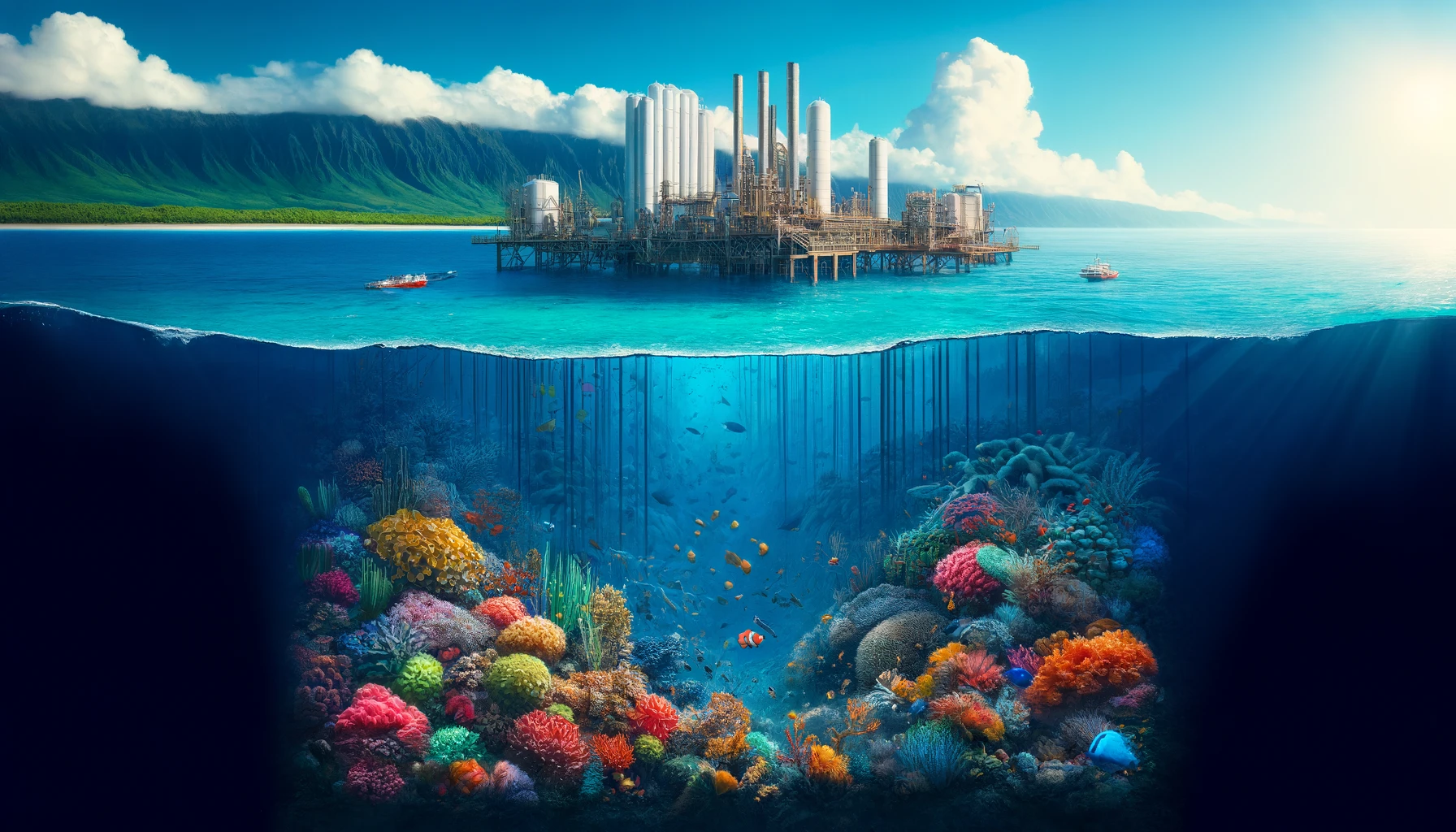
Table of contents

The Kona Blue Conspiracy Theory and Its Impact on Hawaii

The Setting and the Suspicion Kona, known worldwide for its pristine waters and rich marine biodiversity, is not just a paradise for tourists but also a battleground for various interest groups. At the heart of the Kona Blue Conspiracy Theory is the allegation that certain aquaculture corporations, possibly in cahoots with corrupt local officials, have been manipulating environmental studies and silencing opposition to expand their operations. These expansions are said to endanger the delicate marine ecosystem, which includes several endangered species. The Aquaculture Industry and Indigenous Rights The controversy intensifies with the involvement of indigenous groups who claim that…

S-FX.com
Contrasting image showing the pristine underwater environment of Kona with vibrant coral reefs and marine life on one side, and a dark, industrial aquaculture facility on the other, representing the Kona Blue Conspiracy Theory.
Impact of Industrial Expansion on Kona's Marine Life: A Visual Representation of the Kona Blue Conspiracy Theory.

The Setting and the Suspicion

Kona, known worldwide for its pristine waters and rich marine biodiversity, is not just a paradise for tourists but also a battleground for various interest groups. At the heart of the Kona Blue Conspiracy Theory is the allegation that certain aquaculture corporations, possibly in cahoots with corrupt local officials, have been manipulating environmental studies and silencing opposition to expand their operations. These expansions are said to endanger the delicate marine ecosystem, which includes several endangered species.

The Aquaculture Industry and Indigenous Rights

The controversy intensifies with the involvement of indigenous groups who claim that the unchecked growth of aquaculture facilities is violating their ancestral fishing rights and harming their cultural heritage. These accusations are set against a backdrop of historical grievances, where native Hawaiian rights have often been overlooked in favor of commercial interests.

Most Popular Explanation Behind the Kona Blue Conspiracy

The most popular version of the Kona Blue Conspiracy Theory suggests that the aquaculture industry has employed dubious methods to secure permits for expansion. This includes allegedly falsifying environmental impact reports and bribing officials to push through approvals. Moreover, there are whispers of scientists and environmentalists who faced threats or even mysterious accidents after opposing these developments.

Corporate Motives and Environmental Impacts

Critics argue that the motive behind these actions is purely financial. The aquaculture companies involved are accused of prioritizing profits over ecological and social responsibilities. The environmental impact includes significant disruptions to the coral reefs and local fish populations, crucial both for the ecosystem’s health and the local fishing economy.

Variations of the Conspiracy Theory

There are several variations of the Kona Blue Conspiracy Theory. Some suggest that international syndicates are involved, using Hawaii as a base to implement similar schemes globally. Others believe that the U.S. government has a hand in it, citing historical instances of federal involvement in local Hawaiian affairs.

The Role of Media and Public Perception

The variations largely depend on the perceived involvement of different entities and the extent of their alleged corruption. These different narratives are often fueled by selective media reporting, which either sensationalizes the issue to attract attention or downplays it to preserve the status quo.

Evidence Opposing the Validity of the Kona Blue Conspiracy

Despite the compelling narrative, there is significant evidence against the conspiracy theory. Several independent environmental studies, conducted by reputable scientists without ties to the aquaculture industry, have found minimal negative impacts associated with the current aquaculture practices in Kona.

Scientific Consensus and Regulatory Oversight

These studies suggest that the regulations in place are adequate and that the environmental monitoring programs established by state and federal agencies are effective. Furthermore, there has been no concrete proof of the alleged bribery and falsification of reports, and many believe these accusations are based more on speculation and mistrust than on hard evidence.

Conclusion

The Kona Blue Conspiracy Theory encapsulates the complex interplay between economic development and environmental conservation. It highlights the need for transparency and accountability in managing natural resources, especially in culturally and ecologically sensitive areas like Kona. While it serves as a reminder of the potential for corruption in any lucrative industry, it also underscores the importance of critical scrutiny and informed public debate.

This narrative invites readers to reflect on how economic interests can sometimes overshadow environmental and indigenous rights and the importance of safeguarding these rights against potential exploitation. As we continue to explore the depths of this conspiracy theory, let’s remain vigilant and proactive in our efforts to ensure that development does not come at the expense of environmental degradation and cultural erosion.

Another Envireonmental theory that might interest you is The Great Barrier Reef Cover-Up: The Hidden Crisis. Read it here!