Opens in a new tab
Menu

The Prince Tudor Conspiracy Theory

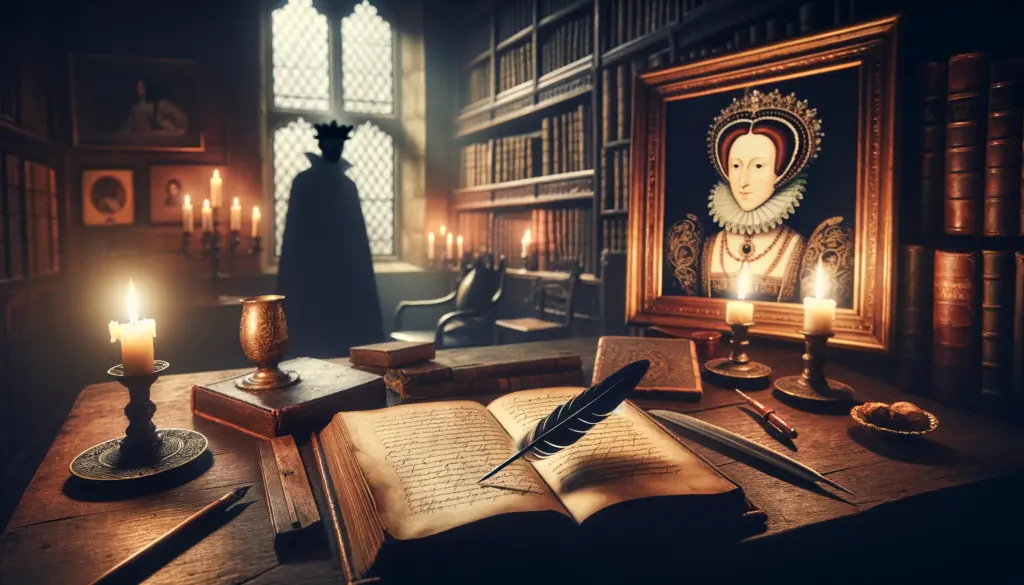
An Elizabethan-era study with a candlelit desk featuring a quill and manuscript, and background portraits of Queen Elizabeth I and a shadowy Edward de Vere, symbolizing the Prince Tudor Theory
Secrets of the Past: Unveiling the Prince Tudor Theory

What is The Prince Tudor Conspiracy Theory?

Tudor
A representation of how Prince Tudor might have looked like

The Prince Tudor Theory, often referred to as the Prince Tudor Conspiracy, is a compelling and controversial narrative that links two iconic figures in British history: Queen Elizabeth I and William Shakespeare. This theory suggests that Edward de Vere, the 17th Earl of Oxford, not only penned the works attributed to Shakespeare but was also the secret son of Elizabeth I, potentially positioning him as a legitimate heir to the English throne, hence the “Prince Tudor.”

According to proponents of the Prince Tudor Theory, the political and social landscapes of Elizabethan England were rife with secrets and courtly intrigues, many of which were cleverly encoded in the plays and sonnets attributed to Shakespeare. This theory not only reexamines the authorship of one of the most important oeuvres in English literature but also poses significant implications for the history of the British royal family.

Variations of the Prince Tudor Theory

The Prince Tudor Theory branches into several variations, each adding layers to the central premise of de Vere’s royal parentage and authorial identity. One variation suggests that Queen Elizabeth I bore several secret children, with de Vere being only one of them. Another proposes that these secret connections are depicted symbolically in the works of Shakespeare, serving as a subversive commentary on the Elizabethan succession crisis.

These variations enrich the Prince Tudor Theory, offering multiple lenses through which to view the intersections of literature and royal lineage. They reflect the enduring fascination with Elizabethan political intrigue and the timeless appeal of Shakespeare’s works.

Evidence Opposing the Validity of the Prince Tudor Theory

Despite its captivating narrative, the Prince Tudor Theory is not without its critics. Scholars and historians predominantly dismiss it due to a lack of concrete historical evidence. Mainstream academic consensus holds that William Shakespeare of Stratford-upon-Avon is the true author of the works that bear his name, and there is substantial documentary evidence supporting Shakespeare’s authorship, from contemporaneous references to legal documents.

Critics argue that the Prince Tudor Theory relies heavily on speculative interpretations and selective readings of texts, which do not stand up to rigorous scholarly examination. The theory’s reliance on conjecture rather than hard evidence leads many to view it as more of a literary curiosity than a serious historical hypothesis.

Conclusion

The Prince Tudor Theory remains a fascinating aspect of Elizabethan lore, intertwining the life and works of Shakespeare with the secret histories of the British royal family. It invites us to question the narratives handed down through history and to explore the intriguing possibilities hidden within the cultural treasures of the past. Whether one sees it as a plausible hidden truth or a compelling work of speculative fiction, the Prince Tudor Theory continues to captivate the imagination and provoke lively debate among scholars, historians, and literary enthusiasts alike.

For those intrigued by the intersections of literature, history, and conspiracy, other theories related to Shakespeare’s authorship or the hidden lives of historical figures might also be of interest. Exploring these theories not only enriches our understanding of the past but also enhances our appreciation for the complexities of historical narrative and cultural memory.

dive down the rabbit hole

The Prince Tudor Conspiracy Theory

An Elizabethan-era study with a candlelit desk featuring a quill and manuscript, and background portraits of Queen Elizabeth I and a shadowy Edward de Vere, symbolizing the Prince Tudor Theory

What is The Prince Tudor Conspiracy Theory?

Tudor
A representation of how Prince Tudor might have looked like

The Prince Tudor Theory, often referred to as the Prince Tudor Conspiracy, is a compelling and controversial narrative that links two iconic figures in British history: Queen Elizabeth I and William Shakespeare. This theory suggests that Edward de Vere, the 17th Earl of Oxford, not only penned the works attributed to Shakespeare but was also the secret son of Elizabeth I, potentially positioning him as a legitimate heir to the English throne, hence the “Prince Tudor.”

According to proponents of the Prince Tudor Theory, the political and social landscapes of Elizabethan England were rife with secrets and courtly intrigues, many of which were cleverly encoded in the plays and sonnets attributed to Shakespeare. This theory not only reexamines the authorship of one of the most important oeuvres in English literature but also poses significant implications for the history of the British royal family.

Variations of the Prince Tudor Theory

The Prince Tudor Theory branches into several variations, each adding layers to the central premise of de Vere’s royal parentage and authorial identity. One variation suggests that Queen Elizabeth I bore several secret children, with de Vere being only one of them. Another proposes that these secret connections are depicted symbolically in the works of Shakespeare, serving as a subversive commentary on the Elizabethan succession crisis.

These variations enrich the Prince Tudor Theory, offering multiple lenses through which to view the intersections of literature and royal lineage. They reflect the enduring fascination with Elizabethan political intrigue and the timeless appeal of Shakespeare’s works.

Evidence Opposing the Validity of the Prince Tudor Theory

Despite its captivating narrative, the Prince Tudor Theory is not without its critics. Scholars and historians predominantly dismiss it due to a lack of concrete historical evidence. Mainstream academic consensus holds that William Shakespeare of Stratford-upon-Avon is the true author of the works that bear his name, and there is substantial documentary evidence supporting Shakespeare’s authorship, from contemporaneous references to legal documents.

Critics argue that the Prince Tudor Theory relies heavily on speculative interpretations and selective readings of texts, which do not stand up to rigorous scholarly examination. The theory’s reliance on conjecture rather than hard evidence leads many to view it as more of a literary curiosity than a serious historical hypothesis.

Conclusion

The Prince Tudor Theory remains a fascinating aspect of Elizabethan lore, intertwining the life and works of Shakespeare with the secret histories of the British royal family. It invites us to question the narratives handed down through history and to explore the intriguing possibilities hidden within the cultural treasures of the past. Whether one sees it as a plausible hidden truth or a compelling work of speculative fiction, the Prince Tudor Theory continues to captivate the imagination and provoke lively debate among scholars, historians, and literary enthusiasts alike.

For those intrigued by the intersections of literature, history, and conspiracy, other theories related to Shakespeare’s authorship or the hidden lives of historical figures might also be of interest. Exploring these theories not only enriches our understanding of the past but also enhances our appreciation for the complexities of historical narrative and cultural memory.
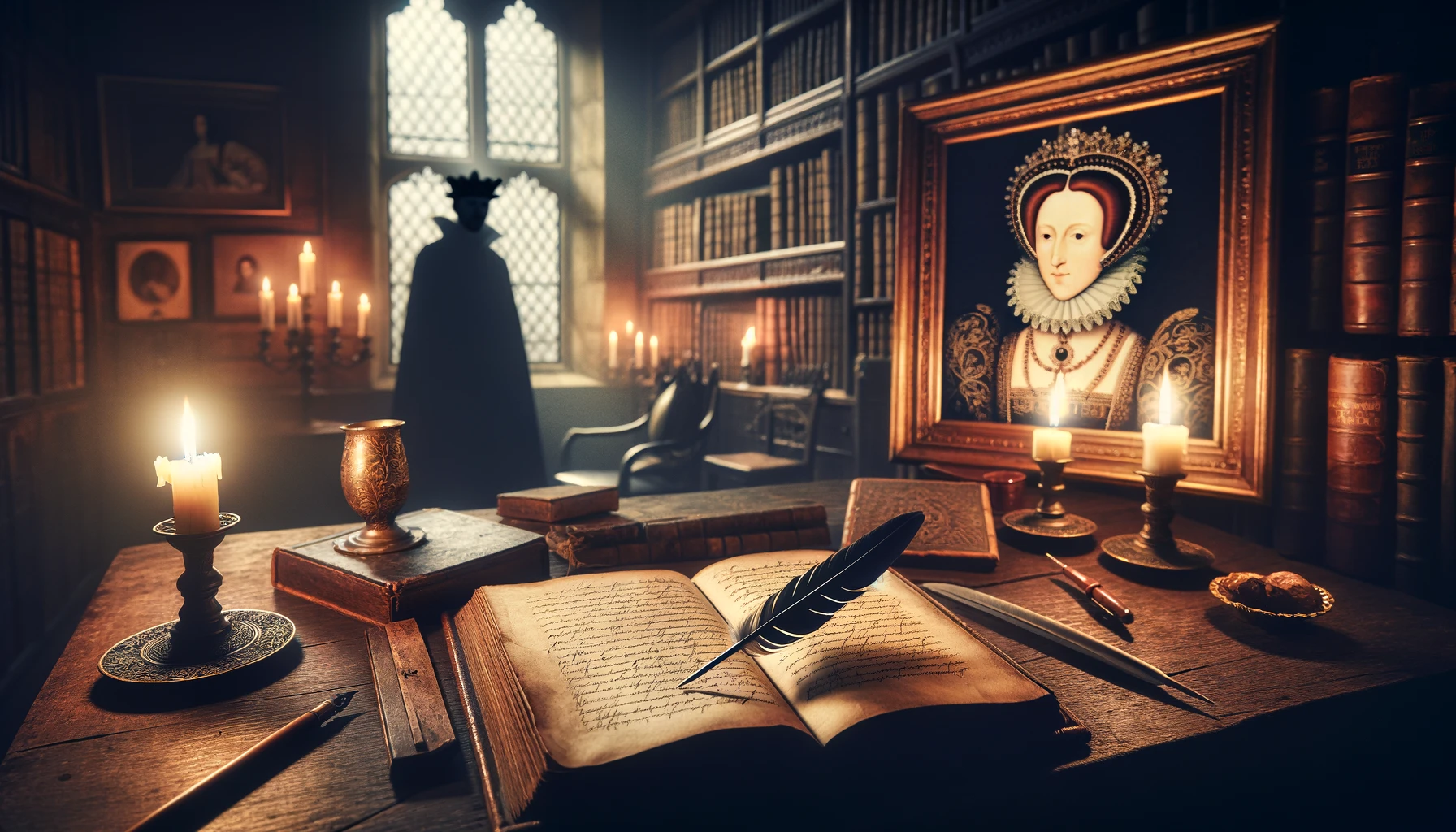
Table of contents

The Prince Tudor Conspiracy Theory

What is The Prince Tudor Conspiracy Theory? The Prince Tudor Theory, often referred to as the Prince Tudor Conspiracy, is a compelling and controversial narrative that links two iconic figures in British history: Queen Elizabeth I and William Shakespeare. This theory suggests that Edward de Vere, the 17th Earl of Oxford, not only penned the works attributed to Shakespeare but was also the secret son of Elizabeth I, potentially positioning him as a legitimate heir to the English throne, hence the “Prince Tudor.” According to proponents of the Prince Tudor Theory, the political and social landscapes of Elizabethan England…

S-FX.com
An Elizabethan-era study with a candlelit desk featuring a quill and manuscript, and background portraits of Queen Elizabeth I and a shadowy Edward de Vere, symbolizing the Prince Tudor Theory
Secrets of the Past: Unveiling the Prince Tudor Theory

What is The Prince Tudor Conspiracy Theory?

Tudor
A representation of how Prince Tudor might have looked like

The Prince Tudor Theory, often referred to as the Prince Tudor Conspiracy, is a compelling and controversial narrative that links two iconic figures in British history: Queen Elizabeth I and William Shakespeare. This theory suggests that Edward de Vere, the 17th Earl of Oxford, not only penned the works attributed to Shakespeare but was also the secret son of Elizabeth I, potentially positioning him as a legitimate heir to the English throne, hence the “Prince Tudor.”

According to proponents of the Prince Tudor Theory, the political and social landscapes of Elizabethan England were rife with secrets and courtly intrigues, many of which were cleverly encoded in the plays and sonnets attributed to Shakespeare. This theory not only reexamines the authorship of one of the most important oeuvres in English literature but also poses significant implications for the history of the British royal family.

Variations of the Prince Tudor Theory

The Prince Tudor Theory branches into several variations, each adding layers to the central premise of de Vere’s royal parentage and authorial identity. One variation suggests that Queen Elizabeth I bore several secret children, with de Vere being only one of them. Another proposes that these secret connections are depicted symbolically in the works of Shakespeare, serving as a subversive commentary on the Elizabethan succession crisis.

These variations enrich the Prince Tudor Theory, offering multiple lenses through which to view the intersections of literature and royal lineage. They reflect the enduring fascination with Elizabethan political intrigue and the timeless appeal of Shakespeare’s works.

Evidence Opposing the Validity of the Prince Tudor Theory

Despite its captivating narrative, the Prince Tudor Theory is not without its critics. Scholars and historians predominantly dismiss it due to a lack of concrete historical evidence. Mainstream academic consensus holds that William Shakespeare of Stratford-upon-Avon is the true author of the works that bear his name, and there is substantial documentary evidence supporting Shakespeare’s authorship, from contemporaneous references to legal documents.

Critics argue that the Prince Tudor Theory relies heavily on speculative interpretations and selective readings of texts, which do not stand up to rigorous scholarly examination. The theory’s reliance on conjecture rather than hard evidence leads many to view it as more of a literary curiosity than a serious historical hypothesis.

Conclusion

The Prince Tudor Theory remains a fascinating aspect of Elizabethan lore, intertwining the life and works of Shakespeare with the secret histories of the British royal family. It invites us to question the narratives handed down through history and to explore the intriguing possibilities hidden within the cultural treasures of the past. Whether one sees it as a plausible hidden truth or a compelling work of speculative fiction, the Prince Tudor Theory continues to captivate the imagination and provoke lively debate among scholars, historians, and literary enthusiasts alike.

For those intrigued by the intersections of literature, history, and conspiracy, other theories related to Shakespeare’s authorship or the hidden lives of historical figures might also be of interest. Exploring these theories not only enriches our understanding of the past but also enhances our appreciation for the complexities of historical narrative and cultural memory.