Menu

The 2014 DHS Mobile App PNR Exposure

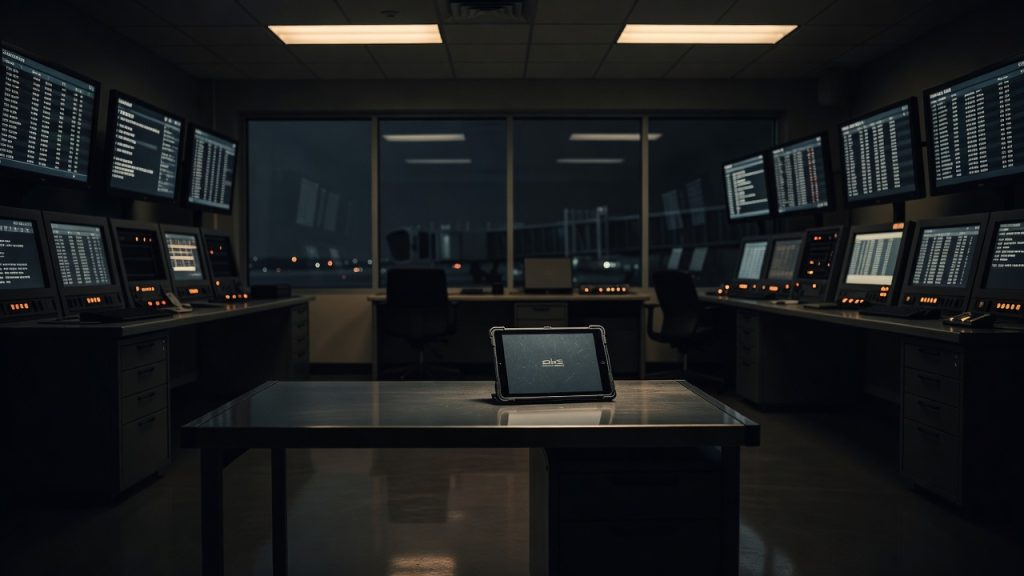
Airport operations room and government tablet representing the 2014 DHS mobile app PNR exposure — ConspiracyRealist.com

By the time the gate agent scans the boarding pass, the real journey has already happened somewhere else. A reservation was built, a risk score was considered, and a quiet set of filters was supposed to keep the most intimate fragments of a traveler’s record out of sight. Then, in October 2014, that promise sprang a leak. According to official review documents, users of a DHS mobile application could see sensitive Passenger Name Record codes and terms that were supposed to be blocked. The fix came fast. The questions did not.

The Case For

The safeguard failed where it mattered most

The documented case is not rumor. The European Commission’s 2017 review of the 2015 joint inspection of the EU-U.S. PNR agreement states that, in October 2014, “users of a DHS mobile application were able to see unblocked sensitive codes and terms in PNR” during certain queries. The same review says DHS took immediate corrective action and produced a fix, but the underlying fact remains: the filter failed in a live operational environment. For anyone already uneasy about the surveillance architecture around travel, that is the nightmare in miniature. The wall existed on paper. In practice, it cracked.

That matters because CBP’s own PNR policy makes clear that passenger records are far more than names and flight numbers. PNR can include contact information, payment details, itinerary changes, seat and baggage information, and general remarks. CBP also says that sensitive clues can appear in PNR and that automated filters are supposed to mask them except in exceptional life-or-death situations. The system was built around the assumption that filtering would happen reliably. The 2014 mobile-app incident showed that assumption could fail.

It exposed a deeper dependency on hidden code lists

The conspiracy-minded reading gets stronger when you place the leak inside the broader PNR structure. As our earlier reporting on the hidden Article 6 code list showed, the protection model depended on internal lists of sensitive codes and terms. Travelers could not inspect that list. Outside watchdogs could only test outcomes. So when a mobile interface surfaced unblocked codes, it suggested more than a simple software bug. It suggested the public was being asked to trust a black-box filtering regime inside a much larger intelligence pipeline.

The European review also noted that more than 14,000 DHS users had access to view active PNR data in ATS during the period under review. Even if only a subset used the mobile application, scale changes the meaning of a glitch. A narrow technical error inside a small system is one thing. A temporary failure inside a platform tied to the National Targeting Center and a transatlantic data-sharing agreement is another. Add in the long retention periods and the pattern starts to look less like a harmless edge case and more like proof that sensitive travel data sat closer to operational use than officials liked to admit.

That is why this episode belongs in the larger Government Secrets archive. The architecture was sold as controlled, audited, and privacy-protective. The documents show a moment when the mask slipped.

The Realist’s Eye

A software failure is not the same as a secret program

This is where the darker interpretation needs brakes. The same European Commission review that documented the incident also concluded that DHS continued to implement the agreement in accordance with its terms. The review did not say agents were systematically mining sensitive religious, medical, or political details through the app. It said the issue was identified, corrective action was taken immediately, and a fix was produced. That is evidence of a control failure. It is not, by itself, evidence of a deliberate hidden policy.

There is also an important distinction between exposure and access. Official materials repeatedly say sensitive PNR data was supposed to remain automatically filtered, and the review separately states that DHS told the EU team no sensitive data had been accessed since the 2012 agreement entered into force. That may sound convenient, but it is still part of the documented record. Likewise, the review says a group of CBP managers received a daily email if sensitive PNR had been accessed. Our recent piece on the 48-hour PNR notice rule showed how that oversight chain was supposed to alert Europe if exceptional access ever occurred.

The strongest critique is about architecture, not proof of intent

The realist problem is this: a system can be badly designed for privacy without being a covert conspiracy in the cinematic sense. Large government platforms break. Mobile interfaces display fields they should not. Filters miss edge cases. None of that automatically means someone wanted the leak to happen. It may simply mean that once a surveillance program becomes technically sprawling, privacy promises depend on too many moving parts to deserve blind trust.

That is still serious. The official record gives us a documented mobile-app exposure, a very large pool of authorized users, and a framework that relies on internal filters most travelers never see. But it does not give us public evidence that the bug led to mass misuse, blackmail, or systematic profiling from exposed sensitive codes. The most rigorous conclusion is narrower and still unsettling: the protective barrier existed, but it was imperfect, and outsiders learned that only because oversight documents briefly caught the flaw in writing.

What We Know For Certain

  • The European Commission’s 2017 review says users of a DHS mobile application could see unblocked sensitive codes and terms in PNR in October 2014.
  • The same review says DHS took immediate corrective action and produced a fix.
  • CBP states that PNR can contain sensitive information and that automated filters are used to mask it except in exceptional circumstances.
  • The review reported that more than 14,000 DHS users had access to active PNR data during the review period.
  • Official oversight materials describe alerting and audit mechanisms around sensitive PNR access.

The Unanswered Questions

  • How long was the mobile application displaying unblocked sensitive codes before the issue was discovered?
  • Which users or components could run the affected queries, and how broad was the exposure window in practice?
  • Did the failure involve a missing filter, a bad code list, or a mobile interface that bypassed normal masking logic?
  • Were independent auditors able to verify that no sensitive data was operationally used during the incident?
  • How many other privacy controls inside ATS-era travel surveillance depended on similarly opaque internal rules?

The Closer — You Decide

A bug report can sound small until you remember what the system held. Not a shopping cart. Not a weather app. A live government pipeline for passenger intelligence, built on the promise that the most revealing scraps would stay behind the curtain. In 2014, official records say some of that material slipped through on a DHS mobile screen. Maybe it was a contained mistake. Maybe it was a warning about how fragile the safeguards always were. The documents are real. The gap was real. The evidence is on the table. You decide.

dive down the rabbit hole

The 2014 DHS Mobile App PNR Exposure

S-FX.com
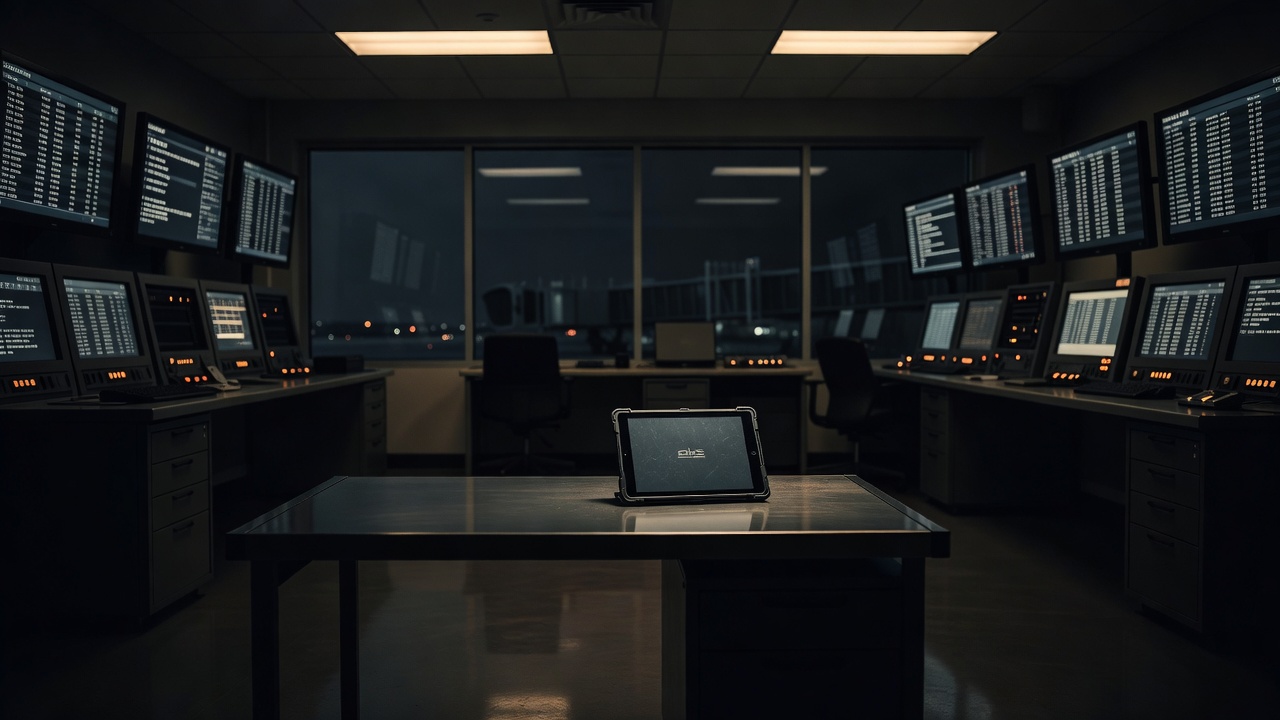
Airport operations room and government tablet representing the 2014 DHS mobile app PNR exposure — ConspiracyRealist.com

By the time the gate agent scans the boarding pass, the real journey has already happened somewhere else. A reservation was built, a risk score was considered, and a quiet set of filters was supposed to keep the most intimate fragments of a traveler’s record out of sight. Then, in October 2014, that promise sprang a leak. According to official review documents, users of a DHS mobile application could see sensitive Passenger Name Record codes and terms that were supposed to be blocked. The fix came fast. The questions did not.

The Case For

The safeguard failed where it mattered most

The documented case is not rumor. The European Commission’s 2017 review of the 2015 joint inspection of the EU-U.S. PNR agreement states that, in October 2014, “users of a DHS mobile application were able to see unblocked sensitive codes and terms in PNR” during certain queries. The same review says DHS took immediate corrective action and produced a fix, but the underlying fact remains: the filter failed in a live operational environment. For anyone already uneasy about the surveillance architecture around travel, that is the nightmare in miniature. The wall existed on paper. In practice, it cracked.

That matters because CBP’s own PNR policy makes clear that passenger records are far more than names and flight numbers. PNR can include contact information, payment details, itinerary changes, seat and baggage information, and general remarks. CBP also says that sensitive clues can appear in PNR and that automated filters are supposed to mask them except in exceptional life-or-death situations. The system was built around the assumption that filtering would happen reliably. The 2014 mobile-app incident showed that assumption could fail.

It exposed a deeper dependency on hidden code lists

The conspiracy-minded reading gets stronger when you place the leak inside the broader PNR structure. As our earlier reporting on the hidden Article 6 code list showed, the protection model depended on internal lists of sensitive codes and terms. Travelers could not inspect that list. Outside watchdogs could only test outcomes. So when a mobile interface surfaced unblocked codes, it suggested more than a simple software bug. It suggested the public was being asked to trust a black-box filtering regime inside a much larger intelligence pipeline.

The European review also noted that more than 14,000 DHS users had access to view active PNR data in ATS during the period under review. Even if only a subset used the mobile application, scale changes the meaning of a glitch. A narrow technical error inside a small system is one thing. A temporary failure inside a platform tied to the National Targeting Center and a transatlantic data-sharing agreement is another. Add in the long retention periods and the pattern starts to look less like a harmless edge case and more like proof that sensitive travel data sat closer to operational use than officials liked to admit.

That is why this episode belongs in the larger Government Secrets archive. The architecture was sold as controlled, audited, and privacy-protective. The documents show a moment when the mask slipped.

The Realist’s Eye

A software failure is not the same as a secret program

This is where the darker interpretation needs brakes. The same European Commission review that documented the incident also concluded that DHS continued to implement the agreement in accordance with its terms. The review did not say agents were systematically mining sensitive religious, medical, or political details through the app. It said the issue was identified, corrective action was taken immediately, and a fix was produced. That is evidence of a control failure. It is not, by itself, evidence of a deliberate hidden policy.

There is also an important distinction between exposure and access. Official materials repeatedly say sensitive PNR data was supposed to remain automatically filtered, and the review separately states that DHS told the EU team no sensitive data had been accessed since the 2012 agreement entered into force. That may sound convenient, but it is still part of the documented record. Likewise, the review says a group of CBP managers received a daily email if sensitive PNR had been accessed. Our recent piece on the 48-hour PNR notice rule showed how that oversight chain was supposed to alert Europe if exceptional access ever occurred.

The strongest critique is about architecture, not proof of intent

The realist problem is this: a system can be badly designed for privacy without being a covert conspiracy in the cinematic sense. Large government platforms break. Mobile interfaces display fields they should not. Filters miss edge cases. None of that automatically means someone wanted the leak to happen. It may simply mean that once a surveillance program becomes technically sprawling, privacy promises depend on too many moving parts to deserve blind trust.

That is still serious. The official record gives us a documented mobile-app exposure, a very large pool of authorized users, and a framework that relies on internal filters most travelers never see. But it does not give us public evidence that the bug led to mass misuse, blackmail, or systematic profiling from exposed sensitive codes. The most rigorous conclusion is narrower and still unsettling: the protective barrier existed, but it was imperfect, and outsiders learned that only because oversight documents briefly caught the flaw in writing.

What We Know For Certain

  • The European Commission’s 2017 review says users of a DHS mobile application could see unblocked sensitive codes and terms in PNR in October 2014.
  • The same review says DHS took immediate corrective action and produced a fix.
  • CBP states that PNR can contain sensitive information and that automated filters are used to mask it except in exceptional circumstances.
  • The review reported that more than 14,000 DHS users had access to active PNR data during the review period.
  • Official oversight materials describe alerting and audit mechanisms around sensitive PNR access.

The Unanswered Questions

  • How long was the mobile application displaying unblocked sensitive codes before the issue was discovered?
  • Which users or components could run the affected queries, and how broad was the exposure window in practice?
  • Did the failure involve a missing filter, a bad code list, or a mobile interface that bypassed normal masking logic?
  • Were independent auditors able to verify that no sensitive data was operationally used during the incident?
  • How many other privacy controls inside ATS-era travel surveillance depended on similarly opaque internal rules?

The Closer — You Decide

A bug report can sound small until you remember what the system held. Not a shopping cart. Not a weather app. A live government pipeline for passenger intelligence, built on the promise that the most revealing scraps would stay behind the curtain. In 2014, official records say some of that material slipped through on a DHS mobile screen. Maybe it was a contained mistake. Maybe it was a warning about how fragile the safeguards always were. The documents are real. The gap was real. The evidence is on the table. You decide.

The 2014 DHS Mobile App PNR Exposure

Airport operations room and government tablet representing the 2014 DHS mobile app PNR exposure — ConspiracyRealist.com

By the time the gate agent scans the boarding pass, the real journey has already happened somewhere else. A reservation was built, a risk score was considered, and a quiet set of filters was supposed to keep the most intimate fragments of a traveler’s record out of sight. Then, in October 2014, that promise sprang a leak. According to official review documents, users of a DHS mobile application could see sensitive Passenger Name Record codes and terms that were supposed to be blocked. The fix came fast. The questions did not.

The Case For

The safeguard failed where it mattered most

The documented case is not rumor. The European Commission’s 2017 review of the 2015 joint inspection of the EU-U.S. PNR agreement states that, in October 2014, “users of a DHS mobile application were able to see unblocked sensitive codes and terms in PNR” during certain queries. The same review says DHS took immediate corrective action and produced a fix, but the underlying fact remains: the filter failed in a live operational environment. For anyone already uneasy about the surveillance architecture around travel, that is the nightmare in miniature. The wall existed on paper. In practice, it cracked.

That matters because CBP’s own PNR policy makes clear that passenger records are far more than names and flight numbers. PNR can include contact information, payment details, itinerary changes, seat and baggage information, and general remarks. CBP also says that sensitive clues can appear in PNR and that automated filters are supposed to mask them except in exceptional life-or-death situations. The system was built around the assumption that filtering would happen reliably. The 2014 mobile-app incident showed that assumption could fail.

It exposed a deeper dependency on hidden code lists

The conspiracy-minded reading gets stronger when you place the leak inside the broader PNR structure. As our earlier reporting on the hidden Article 6 code list showed, the protection model depended on internal lists of sensitive codes and terms. Travelers could not inspect that list. Outside watchdogs could only test outcomes. So when a mobile interface surfaced unblocked codes, it suggested more than a simple software bug. It suggested the public was being asked to trust a black-box filtering regime inside a much larger intelligence pipeline.

The European review also noted that more than 14,000 DHS users had access to view active PNR data in ATS during the period under review. Even if only a subset used the mobile application, scale changes the meaning of a glitch. A narrow technical error inside a small system is one thing. A temporary failure inside a platform tied to the National Targeting Center and a transatlantic data-sharing agreement is another. Add in the long retention periods and the pattern starts to look less like a harmless edge case and more like proof that sensitive travel data sat closer to operational use than officials liked to admit.

That is why this episode belongs in the larger Government Secrets archive. The architecture was sold as controlled, audited, and privacy-protective. The documents show a moment when the mask slipped.

The Realist’s Eye

A software failure is not the same as a secret program

This is where the darker interpretation needs brakes. The same European Commission review that documented the incident also concluded that DHS continued to implement the agreement in accordance with its terms. The review did not say agents were systematically mining sensitive religious, medical, or political details through the app. It said the issue was identified, corrective action was taken immediately, and a fix was produced. That is evidence of a control failure. It is not, by itself, evidence of a deliberate hidden policy.

There is also an important distinction between exposure and access. Official materials repeatedly say sensitive PNR data was supposed to remain automatically filtered, and the review separately states that DHS told the EU team no sensitive data had been accessed since the 2012 agreement entered into force. That may sound convenient, but it is still part of the documented record. Likewise, the review says a group of CBP managers received a daily email if sensitive PNR had been accessed. Our recent piece on the 48-hour PNR notice rule showed how that oversight chain was supposed to alert Europe if exceptional access ever occurred.

The strongest critique is about architecture, not proof of intent

The realist problem is this: a system can be badly designed for privacy without being a covert conspiracy in the cinematic sense. Large government platforms break. Mobile interfaces display fields they should not. Filters miss edge cases. None of that automatically means someone wanted the leak to happen. It may simply mean that once a surveillance program becomes technically sprawling, privacy promises depend on too many moving parts to deserve blind trust.

That is still serious. The official record gives us a documented mobile-app exposure, a very large pool of authorized users, and a framework that relies on internal filters most travelers never see. But it does not give us public evidence that the bug led to mass misuse, blackmail, or systematic profiling from exposed sensitive codes. The most rigorous conclusion is narrower and still unsettling: the protective barrier existed, but it was imperfect, and outsiders learned that only because oversight documents briefly caught the flaw in writing.

What We Know For Certain

  • The European Commission’s 2017 review says users of a DHS mobile application could see unblocked sensitive codes and terms in PNR in October 2014.
  • The same review says DHS took immediate corrective action and produced a fix.
  • CBP states that PNR can contain sensitive information and that automated filters are used to mask it except in exceptional circumstances.
  • The review reported that more than 14,000 DHS users had access to active PNR data during the review period.
  • Official oversight materials describe alerting and audit mechanisms around sensitive PNR access.

The Unanswered Questions

  • How long was the mobile application displaying unblocked sensitive codes before the issue was discovered?
  • Which users or components could run the affected queries, and how broad was the exposure window in practice?
  • Did the failure involve a missing filter, a bad code list, or a mobile interface that bypassed normal masking logic?
  • Were independent auditors able to verify that no sensitive data was operationally used during the incident?
  • How many other privacy controls inside ATS-era travel surveillance depended on similarly opaque internal rules?

The Closer — You Decide

A bug report can sound small until you remember what the system held. Not a shopping cart. Not a weather app. A live government pipeline for passenger intelligence, built on the promise that the most revealing scraps would stay behind the curtain. In 2014, official records say some of that material slipped through on a DHS mobile screen. Maybe it was a contained mistake. Maybe it was a warning about how fragile the safeguards always were. The documents are real. The gap was real. The evidence is on the table. You decide.

Table of contents