

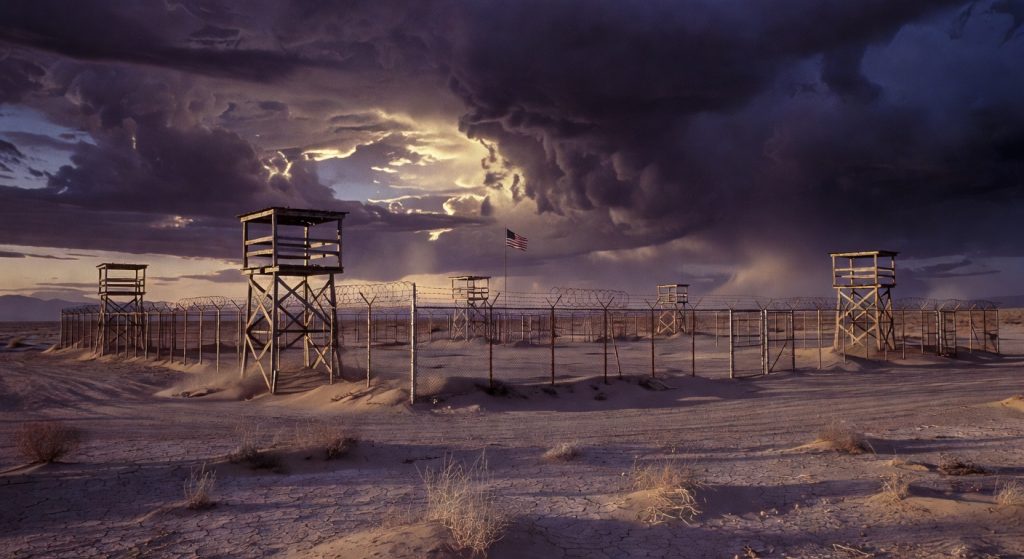
In the spring of 1984, while most Americans were watching the Los Angeles Olympics and worrying about the Cold War, a small group of senior Reagan administration officials was quietly rehearsing something far more disturbing: the suspension of the United States Constitution, the mass detention of American citizens, and the imposition of military rule. The exercise was called Rex 84 — short for Readiness Exercise 1984 — and it represented the culmination of years of secret government planning for what officials euphemistically called “national emergencies.” What that phrase actually meant, when you strip away the bureaucratic language, was martial law. And the primary targets weren’t foreign enemies. They were American citizens.
The Origins: Continuity of Government and FEMA’s Dark Mission
To understand Rex 84, you need to understand the Cold War doctrine of Continuity of Government (COG). The basic idea was straightforward: in the event of a nuclear attack, how do you ensure that the essential functions of the federal government survive? Starting in the 1950s, the U.S. government invested billions of dollars in secret bunkers, backup facilities, and emergency protocols designed to preserve governmental capacity through a nuclear apocalypse.
FEMA — the Federal Emergency Management Agency — was created in 1979 partly to coordinate these continuity functions. But from its earliest days, FEMA operated a secret side that went far beyond disaster relief. Its National Preparedness Directorate maintained classified plans for emergency powers that included the suspension of civil liberties, the detention of American citizens, and the transfer of authority from civilian to military control.
The legal architecture for these plans was built over decades through a series of executive orders and classified presidential directives. One key document was Executive Order 11921, signed by President Gerald Ford in 1976, which authorized FEMA to establish control over communications, energy, transportation, food, and other resources in the event of a national emergency. Subsequent executive orders expanded these authorities significantly.
The Architects: Oliver North and the Planning Network
The specific planning that culminated in Rex 84 took place within the National Security Council and was driven significantly by Lieutenant Colonel Oliver North, the Marine officer who would later become the public face of the Iran-Contra scandal. North, working from his NSC office, was deeply involved in what was called the “continuity of government” planning network during the Reagan years.
Rex 84 was designed and overseen by FEMA Director Louis Giuffrida and coordinated with North’s NSC activities. The exercise, conducted in April 1984, involved 34 federal departments and agencies — the largest such exercise ever attempted. It simulated a scenario in which the United States faced a national security crisis, and tested the government’s ability to implement emergency powers and detention procedures.
The specific trigger scenario that Rex 84 tested was particularly revealing. The exercise was predicated not on a nuclear attack, not on a foreign invasion — but on massive domestic civil unrest triggered by an unpopular U.S. military intervention in Central America. In other words, the government was planning for how to suppress American citizens who might protest or resist its foreign policy decisions.