Menu

The Gulf of Tonkin’s Conspiracy Theory

The Gulf of Tonkin’s Conspiracy Theory

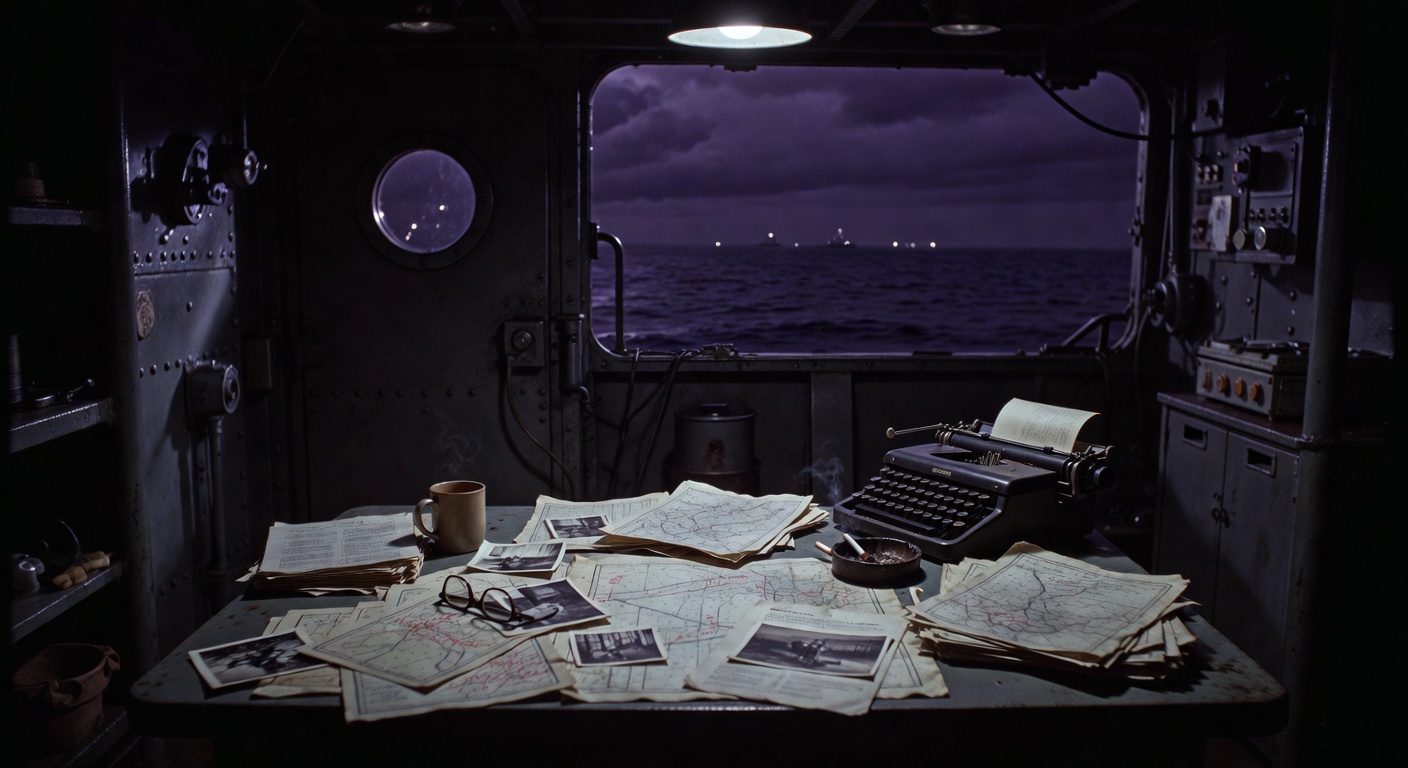
Picture this: It’s a sweltering night in August 1964, and American sailors on the USS Maddox are scanning the dark waters of the Gulf of Tonkin for any sign of trouble. Radars ping, torpedoes streak through the waves, and suddenly, the world is on the brink of another war. Or was it? What if I told you that this “unprovoked” attack by North Vietnamese boats might have been nothing more than a mirage—a carefully crafted illusion to drag America into the meat grinder of Vietnam? Welcome to one of the juiciest rabbit holes in modern history, where declassified documents and whistleblower confessions peel back the curtain on President Lyndon B. Johnson‘s administration. Buckle up; we’re going deep into the Gulf of Tonkin incident, the spark that lit the fuse for over a decade of bloodshed.

The Night That Changed Everything

Let’s set the scene properly. On August 2, 1964, the USS Maddox, a Navy destroyer, was cruising international waters in the Gulf of Tonkin off North Vietnam’s coast. Officially, it was on a routine patrol, but whispers suggest it was part of something shadier: Operation 34A, covert raids by South Vietnamese forces (backed by the CIA) against the North. These weren’t your garden-variety ops; they involved speedboats firing at coastal targets, electronic warfare jamming North Vietnamese radars, and general poking of the communist bear.

Sure enough, three North Vietnamese PT boats show up, firing torpedoes and machine guns. The Maddox fights back with its guns and help from U.S. jets, sinking one boat and sending the others packing. No Americans hurt, damage minimal. Secretary of Defense Robert McNamara briefs LBJ , and the president plays it cool publicly but ramps up the rhetoric privately. “Hell, those dumb, stupid sailors were just shooting at flying fish,” he’d later joke. But on the world stage? This was aggression, pure and simple.

Two days later, August 4, comes the bombshell: another attack on the USS Maddox and the USS Turner Joy. Crews report torpedoes, sonar contacts, and enemy boats swarming in the pitch black. Destroyers unleash a barrage, planes scramble from carriers—total chaos. LBJ goes on national TV, condemns the “unprovoked” assaults, and Congress rubber-stamps the Tonkin Gulf Resolution on August 7. Boom: carte blanche for war. By 1965, half a million U.S. troops are in Vietnam. But here’s the hook—what if that second attack never happened?

Diving Into the Official Story’s Cracks

Fast-forward to the 1970s, when the fog of war lifts, and skeptics start sniffing around. Crew members from the Maddox and Turner Joy begin muttering about freak weather, overeager sonar operators, and radar ghosts. Captain John Herrick, commander of the Maddox during the second “attack,” sends frantic messages questioning if it even occurred: “Freak weather effects on radar and overeager sonarmen may have accounted for many reports. No actual visual sightings by Maddox.”

Declassified NSA intercepts—check out this goldmine from the National Security Agency—show intercepted North Vietnamese chatter was mistranslated or cherry-picked to sound like attack orders. One key message? It was actually about French fishing boats, not torpedo runs. Historians like Edwin Moïse in his book Tonkin Gulf and the Escalation of the Vietnam War lay it out: the evidence for a second attack is tissue-thin.

McNamara himself, in his 1995 memoir In Retrospect, admits doubt: “The second report was wrong.” But by then, 58,000 Americans were dead, and Vietnam was a quagmire. Conspiracy realists don’t stop at “mistake.” They see intent—a deliberate hype job to sell the war.

The Mainstream Conspiracy Angle: False Flag or Just Fog of War?

The most tantalizing theory? The Johnson administration knew the second attack was bogus but ran with it anyway. Why? Congress was war-weary after Korea; they needed a Pearl Harbor-style gut punch to unlock the Tonkin Gulf Resolution. Passed with only two dissenting votes (Senators Wayne Morse and Ernest Gruening, bless ’em), it was basically a blank check: “All necessary measures… to repel any armed attack” against U.S. forces.

Imagine LBJ in the Oval Office, phone in hand, barking at aides: “I want that goddam resolution by tomorrow!” Tapes released later catch him boasting, “For all I know, our Navy was shooting at whales.” Cynical? Sure. But declassified cables show intel was massaged overnight. SIGINT (signals intelligence) reports were rushed to NSAM 263 (LBJ’s Vietnam policy), twisted to fit the narrative.

This isn’t tinfoil-hat stuff; it’s backed by the 2005 NSA historian Robert Hanyok’s report, buried for years, confirming the agency skewed data to make the attack seem real. Rabbit hole alert: Was this a “Noble Lie” to stop communism, or straight-up power grab?

Variations That Twist the Knife Deeper

Theories splinter like shrapnel here. Let’s explore the branches.

Theory 1: Provocation on Steroids

Forget unprovoked—the Maddox was bait. OPLAN 34A raids were happening days before, with the destroyer providing cover and intel. North Vietnam’s boats on August 2 were retaliation, not aggression. Deeper dive: CIA’s DESOTO patrols were electronic spies, hoovering up radar signals while South Vietnamese commandos shelled the coast. Hanoi saw Maddox as a legit target. McNamara denied linkage publicly but knew the score privately.

Theory 2: The Phantom Attack Fabrication

Pure invention. Sonar pings? Freak monsoon squalls creating false echoes. Visual sightings? None confirmed by daylight flyovers. Crew logs describe panic: overamped destroyers firing at shadows. Theorists point to Commander James Stockdale (future POW and VP candidate), who flew overhead: “I had the best seat in the house… and I didn’t see a damn thing.” Stockdale called it a “nightmare” of mistaken identity. Was the White House fed bad info, or did they amplify it knowingly?

Theory 3: Friendly Fire False Flag

Wilder still: Did U.S. forces stage it? Some point to lax rules of engagement and itching trigger fingers. Or, covert ops gone wrong—maybe a South Vietnamese boat mistaken for the enemy. Echoes of USS Liberty (1967 Israeli attack on U.S. ship, another rabbit hole). No hard proof, but the pattern of “incidents” justifying escalation screams setup.

Theory 4: Soviet/Chinese Puppet Strings

Less popular, but intriguing: North Vietnam was baited by bigger players. Khrushchev‘s ousting in the USSR left hawks in charge; Mao’s China egged on aggression. U.S. intel predicted a response—did they sail into it anyway?

Each variant pulls you deeper, questioning not just Tonkin but the whole domino theory of Vietnam.

Key Players: Who Pulled the Strings?

No conspiracy without culprits. LBJ, the wheeler-dealer from Texas, saw Vietnam as his legacy test. Fresh off JFK’s assassination, he feared looking soft on commies. McNamara, the whiz-kid Ford exec turned SecDef, micromanaged from the Pentagon, later confessing guilt in The Fog of War documentary.

Don’t forget NSA Director Joseph Knowles, who testified the intercepts proved attack plans (they didn’t). And National Security Advisor McGeorge Bundy, drafting the resolution before dust settled. These guys weren’t cartoon villains; they were Cold Warriors convinced the ends justified means. But at what cost?

The Fallout: From Resolution to Quagmire

The Tonkin Gulf Resolution was repealed in 1971 amid war protests, but damage done: 2.7 million Vietnamese dead, U.S. divided. Watergate-era probes like the Church Committee exposed CIA dirty tricks, validating Tonkin skepticism. Today, it’s cited in every false flag debate—from 9/11 to WMDs in Iraq.

Modern echoes? Drone strikes on “imminent threats” based on shaky intel. Tonkin teaches: extraordinary claims need extraordinary proof, especially from governments.

Evidence Roundup: Docs, Tapes, and Testimonies

Let’s geek out on sources. Beyond the NSA link above, grab Pentagon Papers (Daniel Ellsberg’s leak)—they admit Tonkin doubts. LBJ tapes on YouTube: raw, unfiltered cynicism. Moïse’s book crunches intercepts; James Bamford‘s Body of Secrets connects CIA dots. Skeptics counter: weather was bad, fog of war real. Fair, but why the rush to escalate?

Interviews with sailors paint vivid chaos. Turner Joy‘s captain: “We were our own worst enemy.” Stats: First attack—clear PT boat wreckage. Second? Zero debris, no bodies, no damage beyond shrapnel from our own guns.

Why It Still Matters: Lessons From the Abyss

Tonkin isn’t dusty history; it’s a blueprint. Governments hype threats (think COVID origins debates or Ukraine intel). Media amplifies—NYT headlined “PT Boats Sink U.S. Destroyer” before facts checked out. Public trust? Shattered, fueling every conspiracy since.

As a journalist who’s chased shadows from MKUltra to Epstein, Tonkin screams: Follow the paper trail. Declassifications keep dripping—2020s drops could blow it wide open.

Down the Rabbit Hole

1. Operation Northwoods: JFK-rejected false flags to invade Cuba—Tonkin’s dress rehearsal?

2. USS Liberty Incident: Israel’s 1967 attack on U.S. ship—covered up like Tonkin?

3. Pentagon Papers Deep Dive: Ellsberg’s leak exposes Vietnam lies beyond the Gulf.

4. MKUltra and CIA Ops in Vietnam: Mind control meets covert raids—what else happened?

5. Modern False Flags: From WMDs to Jan 6—Tonkin’s playbook alive today.

Disclaimer: This post is for entertainment and educational purposes. Explore these theories critically—verify sources, think independently. ConspiracyRealist.com doesn’t endorse illegal actions or unproven claims.

dive down the rabbit hole

The Gulf of Tonkin’s Conspiracy Theory

Conspiracy Realist
The Gulf of Tonkin’s Conspiracy Theory

Picture this: It’s a sweltering night in August 1964, and American sailors on the USS Maddox are scanning the dark waters of the Gulf of Tonkin for any sign of trouble. Radars ping, torpedoes streak through the waves, and suddenly, the world is on the brink of another war. Or was it? What if I told you that this “unprovoked” attack by North Vietnamese boats might have been nothing more than a mirage—a carefully crafted illusion to drag America into the meat grinder of Vietnam? Welcome to one of the juiciest rabbit holes in modern history, where declassified documents and whistleblower confessions peel back the curtain on President Lyndon B. Johnson‘s administration. Buckle up; we’re going deep into the Gulf of Tonkin incident, the spark that lit the fuse for over a decade of bloodshed.

The Night That Changed Everything

Let’s set the scene properly. On August 2, 1964, the USS Maddox, a Navy destroyer, was cruising international waters in the Gulf of Tonkin off North Vietnam’s coast. Officially, it was on a routine patrol, but whispers suggest it was part of something shadier: Operation 34A, covert raids by South Vietnamese forces (backed by the CIA) against the North. These weren’t your garden-variety ops; they involved speedboats firing at coastal targets, electronic warfare jamming North Vietnamese radars, and general poking of the communist bear.

Sure enough, three North Vietnamese PT boats show up, firing torpedoes and machine guns. The Maddox fights back with its guns and help from U.S. jets, sinking one boat and sending the others packing. No Americans hurt, damage minimal. Secretary of Defense Robert McNamara briefs LBJ , and the president plays it cool publicly but ramps up the rhetoric privately. “Hell, those dumb, stupid sailors were just shooting at flying fish,” he’d later joke. But on the world stage? This was aggression, pure and simple.

Two days later, August 4, comes the bombshell: another attack on the USS Maddox and the USS Turner Joy. Crews report torpedoes, sonar contacts, and enemy boats swarming in the pitch black. Destroyers unleash a barrage, planes scramble from carriers—total chaos. LBJ goes on national TV, condemns the “unprovoked” assaults, and Congress rubber-stamps the Tonkin Gulf Resolution on August 7. Boom: carte blanche for war. By 1965, half a million U.S. troops are in Vietnam. But here’s the hook—what if that second attack never happened?

Diving Into the Official Story’s Cracks

Fast-forward to the 1970s, when the fog of war lifts, and skeptics start sniffing around. Crew members from the Maddox and Turner Joy begin muttering about freak weather, overeager sonar operators, and radar ghosts. Captain John Herrick, commander of the Maddox during the second “attack,” sends frantic messages questioning if it even occurred: “Freak weather effects on radar and overeager sonarmen may have accounted for many reports. No actual visual sightings by Maddox.”

Declassified NSA intercepts—check out this goldmine from the National Security Agency—show intercepted North Vietnamese chatter was mistranslated or cherry-picked to sound like attack orders. One key message? It was actually about French fishing boats, not torpedo runs. Historians like Edwin Moïse in his book Tonkin Gulf and the Escalation of the Vietnam War lay it out: the evidence for a second attack is tissue-thin.

McNamara himself, in his 1995 memoir In Retrospect, admits doubt: “The second report was wrong.” But by then, 58,000 Americans were dead, and Vietnam was a quagmire. Conspiracy realists don’t stop at “mistake.” They see intent—a deliberate hype job to sell the war.

The Mainstream Conspiracy Angle: False Flag or Just Fog of War?

The most tantalizing theory? The Johnson administration knew the second attack was bogus but ran with it anyway. Why? Congress was war-weary after Korea; they needed a Pearl Harbor-style gut punch to unlock the Tonkin Gulf Resolution. Passed with only two dissenting votes (Senators Wayne Morse and Ernest Gruening, bless ’em), it was basically a blank check: “All necessary measures… to repel any armed attack” against U.S. forces.

Imagine LBJ in the Oval Office, phone in hand, barking at aides: “I want that goddam resolution by tomorrow!” Tapes released later catch him boasting, “For all I know, our Navy was shooting at whales.” Cynical? Sure. But declassified cables show intel was massaged overnight. SIGINT (signals intelligence) reports were rushed to NSAM 263 (LBJ’s Vietnam policy), twisted to fit the narrative.

This isn’t tinfoil-hat stuff; it’s backed by the 2005 NSA historian Robert Hanyok’s report, buried for years, confirming the agency skewed data to make the attack seem real. Rabbit hole alert: Was this a “Noble Lie” to stop communism, or straight-up power grab?

Variations That Twist the Knife Deeper

Theories splinter like shrapnel here. Let’s explore the branches.

Theory 1: Provocation on Steroids

Forget unprovoked—the Maddox was bait. OPLAN 34A raids were happening days before, with the destroyer providing cover and intel. North Vietnam’s boats on August 2 were retaliation, not aggression. Deeper dive: CIA’s DESOTO patrols were electronic spies, hoovering up radar signals while South Vietnamese commandos shelled the coast. Hanoi saw Maddox as a legit target. McNamara denied linkage publicly but knew the score privately.

Theory 2: The Phantom Attack Fabrication

Pure invention. Sonar pings? Freak monsoon squalls creating false echoes. Visual sightings? None confirmed by daylight flyovers. Crew logs describe panic: overamped destroyers firing at shadows. Theorists point to Commander James Stockdale (future POW and VP candidate), who flew overhead: “I had the best seat in the house… and I didn’t see a damn thing.” Stockdale called it a “nightmare” of mistaken identity. Was the White House fed bad info, or did they amplify it knowingly?

Theory 3: Friendly Fire False Flag

Wilder still: Did U.S. forces stage it? Some point to lax rules of engagement and itching trigger fingers. Or, covert ops gone wrong—maybe a South Vietnamese boat mistaken for the enemy. Echoes of USS Liberty (1967 Israeli attack on U.S. ship, another rabbit hole). No hard proof, but the pattern of “incidents” justifying escalation screams setup.

Theory 4: Soviet/Chinese Puppet Strings

Less popular, but intriguing: North Vietnam was baited by bigger players. Khrushchev‘s ousting in the USSR left hawks in charge; Mao’s China egged on aggression. U.S. intel predicted a response—did they sail into it anyway?

Each variant pulls you deeper, questioning not just Tonkin but the whole domino theory of Vietnam.

Key Players: Who Pulled the Strings?

No conspiracy without culprits. LBJ, the wheeler-dealer from Texas, saw Vietnam as his legacy test. Fresh off JFK’s assassination, he feared looking soft on commies. McNamara, the whiz-kid Ford exec turned SecDef, micromanaged from the Pentagon, later confessing guilt in The Fog of War documentary.

Don’t forget NSA Director Joseph Knowles, who testified the intercepts proved attack plans (they didn’t). And National Security Advisor McGeorge Bundy, drafting the resolution before dust settled. These guys weren’t cartoon villains; they were Cold Warriors convinced the ends justified means. But at what cost?

The Fallout: From Resolution to Quagmire

The Tonkin Gulf Resolution was repealed in 1971 amid war protests, but damage done: 2.7 million Vietnamese dead, U.S. divided. Watergate-era probes like the Church Committee exposed CIA dirty tricks, validating Tonkin skepticism. Today, it’s cited in every false flag debate—from 9/11 to WMDs in Iraq.

Modern echoes? Drone strikes on “imminent threats” based on shaky intel. Tonkin teaches: extraordinary claims need extraordinary proof, especially from governments.

Evidence Roundup: Docs, Tapes, and Testimonies

Let’s geek out on sources. Beyond the NSA link above, grab Pentagon Papers (Daniel Ellsberg’s leak)—they admit Tonkin doubts. LBJ tapes on YouTube: raw, unfiltered cynicism. Moïse’s book crunches intercepts; James Bamford‘s Body of Secrets connects CIA dots. Skeptics counter: weather was bad, fog of war real. Fair, but why the rush to escalate?

Interviews with sailors paint vivid chaos. Turner Joy‘s captain: “We were our own worst enemy.” Stats: First attack—clear PT boat wreckage. Second? Zero debris, no bodies, no damage beyond shrapnel from our own guns.

Why It Still Matters: Lessons From the Abyss

Tonkin isn’t dusty history; it’s a blueprint. Governments hype threats (think COVID origins debates or Ukraine intel). Media amplifies—NYT headlined “PT Boats Sink U.S. Destroyer” before facts checked out. Public trust? Shattered, fueling every conspiracy since.

As a journalist who’s chased shadows from MKUltra to Epstein, Tonkin screams: Follow the paper trail. Declassifications keep dripping—2020s drops could blow it wide open.

Down the Rabbit Hole

1. Operation Northwoods: JFK-rejected false flags to invade Cuba—Tonkin’s dress rehearsal?

2. USS Liberty Incident: Israel’s 1967 attack on U.S. ship—covered up like Tonkin?

3. Pentagon Papers Deep Dive: Ellsberg’s leak exposes Vietnam lies beyond the Gulf.

4. MKUltra and CIA Ops in Vietnam: Mind control meets covert raids—what else happened?

5. Modern False Flags: From WMDs to Jan 6—Tonkin’s playbook alive today.

Disclaimer: This post is for entertainment and educational purposes. Explore these theories critically—verify sources, think independently. ConspiracyRealist.com doesn’t endorse illegal actions or unproven claims.

The Gulf of Tonkin’s Conspiracy Theory

The Gulf of Tonkin’s Conspiracy Theory

Picture this: It’s a sweltering night in August 1964, and American sailors on the USS Maddox are scanning the dark waters of the Gulf of Tonkin for any sign of trouble. Radars ping, torpedoes streak through the waves, and suddenly, the world is on the brink of another war. Or was it? What if I told you that this “unprovoked” attack by North Vietnamese boats might have been nothing more than a mirage—a carefully crafted illusion to drag America into the meat grinder of Vietnam? Welcome to one of the juiciest rabbit holes in modern history, where declassified documents and whistleblower confessions peel back the curtain on President Lyndon B. Johnson‘s administration. Buckle up; we’re going deep into the Gulf of Tonkin incident, the spark that lit the fuse for over a decade of bloodshed.

The Night That Changed Everything

Let’s set the scene properly. On August 2, 1964, the USS Maddox, a Navy destroyer, was cruising international waters in the Gulf of Tonkin off North Vietnam’s coast. Officially, it was on a routine patrol, but whispers suggest it was part of something shadier: Operation 34A, covert raids by South Vietnamese forces (backed by the CIA) against the North. These weren’t your garden-variety ops; they involved speedboats firing at coastal targets, electronic warfare jamming North Vietnamese radars, and general poking of the communist bear.

Sure enough, three North Vietnamese PT boats show up, firing torpedoes and machine guns. The Maddox fights back with its guns and help from U.S. jets, sinking one boat and sending the others packing. No Americans hurt, damage minimal. Secretary of Defense Robert McNamara briefs LBJ , and the president plays it cool publicly but ramps up the rhetoric privately. “Hell, those dumb, stupid sailors were just shooting at flying fish,” he’d later joke. But on the world stage? This was aggression, pure and simple.

Two days later, August 4, comes the bombshell: another attack on the USS Maddox and the USS Turner Joy. Crews report torpedoes, sonar contacts, and enemy boats swarming in the pitch black. Destroyers unleash a barrage, planes scramble from carriers—total chaos. LBJ goes on national TV, condemns the “unprovoked” assaults, and Congress rubber-stamps the Tonkin Gulf Resolution on August 7. Boom: carte blanche for war. By 1965, half a million U.S. troops are in Vietnam. But here’s the hook—what if that second attack never happened?

Diving Into the Official Story’s Cracks

Fast-forward to the 1970s, when the fog of war lifts, and skeptics start sniffing around. Crew members from the Maddox and Turner Joy begin muttering about freak weather, overeager sonar operators, and radar ghosts. Captain John Herrick, commander of the Maddox during the second “attack,” sends frantic messages questioning if it even occurred: “Freak weather effects on radar and overeager sonarmen may have accounted for many reports. No actual visual sightings by Maddox.”

Declassified NSA intercepts—check out this goldmine from the National Security Agency—show intercepted North Vietnamese chatter was mistranslated or cherry-picked to sound like attack orders. One key message? It was actually about French fishing boats, not torpedo runs. Historians like Edwin Moïse in his book Tonkin Gulf and the Escalation of the Vietnam War lay it out: the evidence for a second attack is tissue-thin.

McNamara himself, in his 1995 memoir In Retrospect, admits doubt: “The second report was wrong.” But by then, 58,000 Americans were dead, and Vietnam was a quagmire. Conspiracy realists don’t stop at “mistake.” They see intent—a deliberate hype job to sell the war.

The Mainstream Conspiracy Angle: False Flag or Just Fog of War?

The most tantalizing theory? The Johnson administration knew the second attack was bogus but ran with it anyway. Why? Congress was war-weary after Korea; they needed a Pearl Harbor-style gut punch to unlock the Tonkin Gulf Resolution. Passed with only two dissenting votes (Senators Wayne Morse and Ernest Gruening, bless ’em), it was basically a blank check: “All necessary measures… to repel any armed attack” against U.S. forces.

Imagine LBJ in the Oval Office, phone in hand, barking at aides: “I want that goddam resolution by tomorrow!” Tapes released later catch him boasting, “For all I know, our Navy was shooting at whales.” Cynical? Sure. But declassified cables show intel was massaged overnight. SIGINT (signals intelligence) reports were rushed to NSAM 263 (LBJ’s Vietnam policy), twisted to fit the narrative.

This isn’t tinfoil-hat stuff; it’s backed by the 2005 NSA historian Robert Hanyok’s report, buried for years, confirming the agency skewed data to make the attack seem real. Rabbit hole alert: Was this a “Noble Lie” to stop communism, or straight-up power grab?

Variations That Twist the Knife Deeper

Theories splinter like shrapnel here. Let’s explore the branches.

Theory 1: Provocation on Steroids

Forget unprovoked—the Maddox was bait. OPLAN 34A raids were happening days before, with the destroyer providing cover and intel. North Vietnam’s boats on August 2 were retaliation, not aggression. Deeper dive: CIA’s DESOTO patrols were electronic spies, hoovering up radar signals while South Vietnamese commandos shelled the coast. Hanoi saw Maddox as a legit target. McNamara denied linkage publicly but knew the score privately.

Theory 2: The Phantom Attack Fabrication

Pure invention. Sonar pings? Freak monsoon squalls creating false echoes. Visual sightings? None confirmed by daylight flyovers. Crew logs describe panic: overamped destroyers firing at shadows. Theorists point to Commander James Stockdale (future POW and VP candidate), who flew overhead: “I had the best seat in the house… and I didn’t see a damn thing.” Stockdale called it a “nightmare” of mistaken identity. Was the White House fed bad info, or did they amplify it knowingly?

Theory 3: Friendly Fire False Flag

Wilder still: Did U.S. forces stage it? Some point to lax rules of engagement and itching trigger fingers. Or, covert ops gone wrong—maybe a South Vietnamese boat mistaken for the enemy. Echoes of USS Liberty (1967 Israeli attack on U.S. ship, another rabbit hole). No hard proof, but the pattern of “incidents” justifying escalation screams setup.

Theory 4: Soviet/Chinese Puppet Strings

Less popular, but intriguing: North Vietnam was baited by bigger players. Khrushchev‘s ousting in the USSR left hawks in charge; Mao’s China egged on aggression. U.S. intel predicted a response—did they sail into it anyway?

Each variant pulls you deeper, questioning not just Tonkin but the whole domino theory of Vietnam.

Key Players: Who Pulled the Strings?

No conspiracy without culprits. LBJ, the wheeler-dealer from Texas, saw Vietnam as his legacy test. Fresh off JFK’s assassination, he feared looking soft on commies. McNamara, the whiz-kid Ford exec turned SecDef, micromanaged from the Pentagon, later confessing guilt in The Fog of War documentary.

Don’t forget NSA Director Joseph Knowles, who testified the intercepts proved attack plans (they didn’t). And National Security Advisor McGeorge Bundy, drafting the resolution before dust settled. These guys weren’t cartoon villains; they were Cold Warriors convinced the ends justified means. But at what cost?

The Fallout: From Resolution to Quagmire

The Tonkin Gulf Resolution was repealed in 1971 amid war protests, but damage done: 2.7 million Vietnamese dead, U.S. divided. Watergate-era probes like the Church Committee exposed CIA dirty tricks, validating Tonkin skepticism. Today, it’s cited in every false flag debate—from 9/11 to WMDs in Iraq.

Modern echoes? Drone strikes on “imminent threats” based on shaky intel. Tonkin teaches: extraordinary claims need extraordinary proof, especially from governments.

Evidence Roundup: Docs, Tapes, and Testimonies

Let’s geek out on sources. Beyond the NSA link above, grab Pentagon Papers (Daniel Ellsberg’s leak)—they admit Tonkin doubts. LBJ tapes on YouTube: raw, unfiltered cynicism. Moïse’s book crunches intercepts; James Bamford‘s Body of Secrets connects CIA dots. Skeptics counter: weather was bad, fog of war real. Fair, but why the rush to escalate?

Interviews with sailors paint vivid chaos. Turner Joy‘s captain: “We were our own worst enemy.” Stats: First attack—clear PT boat wreckage. Second? Zero debris, no bodies, no damage beyond shrapnel from our own guns.

Why It Still Matters: Lessons From the Abyss

Tonkin isn’t dusty history; it’s a blueprint. Governments hype threats (think COVID origins debates or Ukraine intel). Media amplifies—NYT headlined “PT Boats Sink U.S. Destroyer” before facts checked out. Public trust? Shattered, fueling every conspiracy since.

As a journalist who’s chased shadows from MKUltra to Epstein, Tonkin screams: Follow the paper trail. Declassifications keep dripping—2020s drops could blow it wide open.

Down the Rabbit Hole

1. Operation Northwoods: JFK-rejected false flags to invade Cuba—Tonkin’s dress rehearsal?

2. USS Liberty Incident: Israel’s 1967 attack on U.S. ship—covered up like Tonkin?

3. Pentagon Papers Deep Dive: Ellsberg’s leak exposes Vietnam lies beyond the Gulf.

4. MKUltra and CIA Ops in Vietnam: Mind control meets covert raids—what else happened?

5. Modern False Flags: From WMDs to Jan 6—Tonkin’s playbook alive today.

Disclaimer: This post is for entertainment and educational purposes. Explore these theories critically—verify sources, think independently. ConspiracyRealist.com doesn’t endorse illegal actions or unproven claims.

Table of contents