Menu

The Prince Tudor Conspiracy Theory

The Prince Tudor Conspiracy Theory

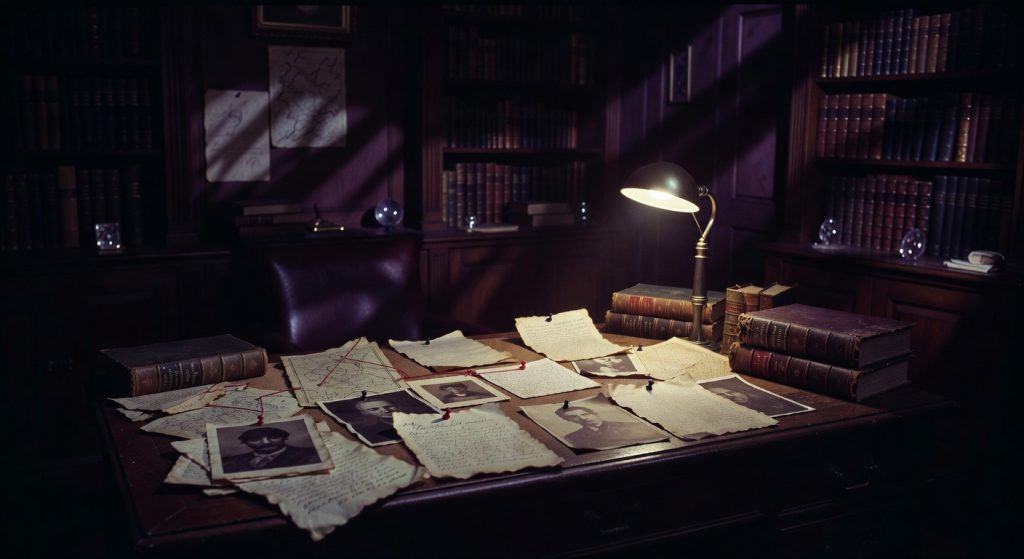
Imagine stumbling upon a dusty old letter in a forgotten corner of the British Library, one that whispers of a queen who birthed a hidden prince, a nobleman who disguised himself as a humble playwright to spill the court’s darkest secrets through immortal verse. That’s the siren call of the Prince Tudor Theory, a wild ride through Elizabethan shadows where Queen Elizabeth I—the Virgin Queen herself—might have shattered her own myth by secretly mothering Edward de Vere, the 17th Earl of Oxford. And get this: de Vere didn’t just inherit royal blood; he allegedly poured his tortured soul into the works we credit to William Shakespeare of Stratford. It’s the kind of theory that keeps you up at night, questioning everything from history books to your high school English lit class. Buckle up, truth-seekers— we’re plunging into this rabbit hole together.

The Core of the Conspiracy: A Royal Love Child and a Ghostly Pen

At its heart, the Prince Tudor Theory isn’t just about who wrote Hamlet or Romeo and Juliet; it’s a bombshell rewrite of the Tudor dynasty’s final act. Proponents say Elizabeth I, under immense pressure to produce an heir amid the succession crisis of the 1550s and 60s, had a clandestine affair—possibly with her stepfather or a court favorite like Robert Dudley—resulting in Edward de Vere‘s birth around 1550. Raised in secrecy to dodge Catholic plots and Protestant scandals, de Vere grew up steeped in royal privilege, only to be shuttled into the shadows as the “prince who never was.”

Why the cover-up? Picture Elizabeth navigating a powder keg: Mary Queen of Scots plotting from afar, Catholic assassins lurking, and a nation desperate for stability. Admitting a bastard son could’ve ignited civil war. Instead, de Vere becomes the 17th Earl of Oxford, a dashing courtier with an education fit for kings—Eton, Cambridge, grand tours of Italy. Sound familiar? It’s the exact resume Shakespeare’s plays flaunt: insider knowledge of falconry, law, naval battles, and the cutthroat politics of Whitehall. Stratford’s glover’s son? Please. As theory fans point out, Shakespeare couldn’t even spell his own name consistently, while de Vere’s letters scream aristocratic polish.

This isn’t some fringe TikTok rant; it’s been simmering since the 19th century, gaining steam with books like Charles Beauclerk‘s Shakespeare’s Lost Kingdom (2009), which argues de Vere’s life mirrors the Bard’s canon beat for beat. We’re talking narrative poetry here—de Vere vanishes from public records after 1604, right as Shakespeare’s output dries up. Coincidence? Or a prince laying low?

Cracking the Code: Shakespearean Clues That’ll Blow Your Mind

Here’s where it gets deliciously trippy. Advocates claim de Vere encoded his royal anguish into the plays and sonnets, turning literature into a subversive cry for recognition. Let’s decode a few gems.

Take Sonnet 107: “Not mine own fears, nor the prophetic soul / Of the wide world dreaming on things to come…” Interpreters see this as de Vere mourning Elizabeth’s death in 1603, with “the mortal moon” as her euphemism. Or Sonnet 76: “Why write I still all one, ever the same…”? That’s de Vere griping about repetitive themes of concealed identity, forced to hide behind “Shakespeare”—a pseudonym blending the spear-shaker goddess Pallas Athena (de Vere’s family emblem was a lion, but dig deeper).

Then there’s Hamlet, the smoking gun. Prince Hamlet agonizes over his mother’s hasty remarriage, forbidden knowledge, and a ghost dad—echoing de Vere’s rumored parentage from Henry VIII or Dudley. The play’s “play within a play” mirrors de Vere’s life: staging truths too dangerous for direct speech. And Polonius? A dead ringer for Lord Burghley, de Vere’s father-in-law and Elizabeth’s spymaster, right down to the pompous quotes from historical records.

Even The Tempest gets roped in, with Prospero as de Vere wielding his “rough magic” of words from exile. Proponents like Dorothy Ogburn in her exhaustive The Mystery of William Shakespeare (1959) tally hundreds of parallels: rare words, obscure Italian locales, courtly faux pas that only an earl could’ve known. It’s like de Vere was dropping Easter eggs for the initiated, a literary Da Vinci Code baked into the Folios.

Variations on a Royal Theme: Which Tudor Twist Hooks You?

The Prince Tudor saga doesn’t stop at one kid. Like branches on a forbidden family tree, it splinters into mind-bending variants.

PT1: The Solo Prince

The classic: de Vere as Elizabeth’s one-and-only secret son, born ~1550 from Dudley or even Philip II (wild, right?). He authors everything under Shakespeare, using the Globe as his confessional booth.

PT2: Henry Wriothesley as Grandson

Enter Henry Wriothesley, 3rd Earl of Southampton—dedicatee of Shakespeare’s early poems. Theory says he’s de Vere’s son with a mistress, making him Elizabeth’s grandson and the ultimate heir. Sonnet 107 celebrates his release from the Essex Rebellion tower in 1603, with “roses” nodding to the Tudor emblem. Southampton‘s 1601 rebellion? A desperate bid to claim the throne.

PT31: The Whole Litter of Royal Bastards

Buckle up—this one’s nuts. Elizabeth allegedly popped out multiple kids: de Vere, Southampton, even Francis Bacon as a half-sibling. They form a shadow court, penning plays as coded manifestos. Twelfth Night and As You Like It become allegories of sibling rivalries and lost thrones. Proponents cite Elizabeth’s infertility rumors as cover for her “miraculous” non-pregnancies.

These aren’t mutually exclusive; they’re layers of a grand mosaic, each inviting you to remix history like a conspiracy DJ. As Sylvester Stein explores in fringe journals, they thrive on the era’s real secrecy—Elizabeth burned her letters, leaving massive gaps for speculation.

The “Evidence” That Fuels the Fire

What tips this from fun fanfic to “wait, maybe?” territory? Let’s sift the clues.

  • Genealogical Oddities: De Vere’s guardian was Burghley, who married his ward to his daughter Anne Cecil—classic royal incest vibes to keep bloodlines pure. De Vere’s furious annulment attempt screams daddy issues.
  • Contemporaries’ Whispers: Henry Peacham‘s 1622 drawings label Titus Andronicus as “by E of Oxforde.” Francis Meres‘s 1598 palladis tamia praises de Vere alongside “Shake-speare.”
  • Timeline Perfection: De Vere’s 1576-77 Italy trip births Merchant of Venice and Othello details Stratford’s Will never saw. Post-1604, no new plays—de Vere dies that year.
  • Hard History: Elizabeth‘s court was a hotbed of affairs; Dudley‘s secret marriage rumors abound. Declassified State Papers from the National Archives (check this digitized collection for Burghleyde Vere letters) reveal frantic succession talks, hinting at hidden heirs.

It’s circumstantial, sure, but the pile-up is dizzying—like puzzle pieces screaming for assembly.

The Debunkers Strike Back: Why the establishment hates it

No rabbit hole without skeptics. Mainstream scholars like Stanley Wells of the Shakespeare Birthplace Trust torch the theory as “pseudo-scholarship.” Why?

  • Stratford Man Exists: Baptism records, lawsuits, will—Shakespeare of Stratford was real, flesh-and-blood actor.
  • No Smoking Gun: De Vere died in 1604; Macbeth (1606) and The Tempest (1611) postdate him. Cryptic readings? Pareidolia, they say.
  • Class Snobbery: Oxfordians get branded elitists dismissing the “genius from the provinces.” James Shapiro‘s *Contested Will* (2010) calls it Victorian fantasy.

Fair points, but theorists counter: plays revised posthumously, Shakespeare a front for aristos dodging censorship. The authorship question itself—endorsed by Mark Twain, Sigmund Freud, even Walt Whitman—keeps the door ajar. As ConspiracyRealist digs show, dismissing it outright smells like gatekeeping.

Why This Theory Still Haunts Us

Beyond the facts, Prince Tudor taps primal urges: cracking codes, toppling icons, reclaiming hidden royals. It’s Game of Thrones meets National Treasure, with real stakes— if true, it nukes Tudor propaganda and elevates de Vere’s tragedy. Modern echoes? DNA tests on Richard III‘s bones prove history hides bodies. Why not a prince-poet?

We’ve clocked noble parallels (500+ in Ogburn’s tome), linguistic anomalies (Shakespeare‘s 30,000-word vocab dwarfs contemporaries), and even de Vere‘s missing manuscripts—poof, gone like his royal claim.

Down the Rabbit Hole

Ready for more? Chase these threads:

1. Oxfordian Authorship Deep Dive: 20+ plays mirroring de Vere’s travels—fact or fever dream?

2. Elizabeth I’s Secret Lovers: Dudley, Hatton, or Henry VIII redux?

3. Francis Bacon as Royal Sib: Another bastard brother in the authorship mix?

4. Essex Rebellion: Coup or Claim? Southampton‘s play-fueled revolt unpacked.

5. Modern DNA and Tudor Bones: Could genetics crack the royal bastard code?

Disclaimer: This piece is for entertainment and educational exploration only. Conspiracy theories like Prince Tudor are speculative rabbit holes—fun to chase, but not gospel. Always cross-check with primary sources and enjoy the mystery!

Related Reads

dive down the rabbit hole

The Prince Tudor Conspiracy Theory

Conspiracy Realist
The Prince Tudor Conspiracy Theory

Imagine stumbling upon a dusty old letter in a forgotten corner of the British Library, one that whispers of a queen who birthed a hidden prince, a nobleman who disguised himself as a humble playwright to spill the court’s darkest secrets through immortal verse. That’s the siren call of the Prince Tudor Theory, a wild ride through Elizabethan shadows where Queen Elizabeth I—the Virgin Queen herself—might have shattered her own myth by secretly mothering Edward de Vere, the 17th Earl of Oxford. And get this: de Vere didn’t just inherit royal blood; he allegedly poured his tortured soul into the works we credit to William Shakespeare of Stratford. It’s the kind of theory that keeps you up at night, questioning everything from history books to your high school English lit class. Buckle up, truth-seekers— we’re plunging into this rabbit hole together.

The Core of the Conspiracy: A Royal Love Child and a Ghostly Pen

At its heart, the Prince Tudor Theory isn’t just about who wrote Hamlet or Romeo and Juliet; it’s a bombshell rewrite of the Tudor dynasty’s final act. Proponents say Elizabeth I, under immense pressure to produce an heir amid the succession crisis of the 1550s and 60s, had a clandestine affair—possibly with her stepfather or a court favorite like Robert Dudley—resulting in Edward de Vere‘s birth around 1550. Raised in secrecy to dodge Catholic plots and Protestant scandals, de Vere grew up steeped in royal privilege, only to be shuttled into the shadows as the “prince who never was.”

Why the cover-up? Picture Elizabeth navigating a powder keg: Mary Queen of Scots plotting from afar, Catholic assassins lurking, and a nation desperate for stability. Admitting a bastard son could’ve ignited civil war. Instead, de Vere becomes the 17th Earl of Oxford, a dashing courtier with an education fit for kings—Eton, Cambridge, grand tours of Italy. Sound familiar? It’s the exact resume Shakespeare’s plays flaunt: insider knowledge of falconry, law, naval battles, and the cutthroat politics of Whitehall. Stratford’s glover’s son? Please. As theory fans point out, Shakespeare couldn’t even spell his own name consistently, while de Vere’s letters scream aristocratic polish.

This isn’t some fringe TikTok rant; it’s been simmering since the 19th century, gaining steam with books like Charles Beauclerk‘s Shakespeare’s Lost Kingdom (2009), which argues de Vere’s life mirrors the Bard’s canon beat for beat. We’re talking narrative poetry here—de Vere vanishes from public records after 1604, right as Shakespeare’s output dries up. Coincidence? Or a prince laying low?

Cracking the Code: Shakespearean Clues That’ll Blow Your Mind

Here’s where it gets deliciously trippy. Advocates claim de Vere encoded his royal anguish into the plays and sonnets, turning literature into a subversive cry for recognition. Let’s decode a few gems.

Take Sonnet 107: “Not mine own fears, nor the prophetic soul / Of the wide world dreaming on things to come…” Interpreters see this as de Vere mourning Elizabeth’s death in 1603, with “the mortal moon” as her euphemism. Or Sonnet 76: “Why write I still all one, ever the same…”? That’s de Vere griping about repetitive themes of concealed identity, forced to hide behind “Shakespeare”—a pseudonym blending the spear-shaker goddess Pallas Athena (de Vere’s family emblem was a lion, but dig deeper).

Then there’s Hamlet, the smoking gun. Prince Hamlet agonizes over his mother’s hasty remarriage, forbidden knowledge, and a ghost dad—echoing de Vere’s rumored parentage from Henry VIII or Dudley. The play’s “play within a play” mirrors de Vere’s life: staging truths too dangerous for direct speech. And Polonius? A dead ringer for Lord Burghley, de Vere’s father-in-law and Elizabeth’s spymaster, right down to the pompous quotes from historical records.

Even The Tempest gets roped in, with Prospero as de Vere wielding his “rough magic” of words from exile. Proponents like Dorothy Ogburn in her exhaustive The Mystery of William Shakespeare (1959) tally hundreds of parallels: rare words, obscure Italian locales, courtly faux pas that only an earl could’ve known. It’s like de Vere was dropping Easter eggs for the initiated, a literary Da Vinci Code baked into the Folios.

Variations on a Royal Theme: Which Tudor Twist Hooks You?

The Prince Tudor saga doesn’t stop at one kid. Like branches on a forbidden family tree, it splinters into mind-bending variants.

PT1: The Solo Prince

The classic: de Vere as Elizabeth’s one-and-only secret son, born ~1550 from Dudley or even Philip II (wild, right?). He authors everything under Shakespeare, using the Globe as his confessional booth.

PT2: Henry Wriothesley as Grandson

Enter Henry Wriothesley, 3rd Earl of Southampton—dedicatee of Shakespeare’s early poems. Theory says he’s de Vere’s son with a mistress, making him Elizabeth’s grandson and the ultimate heir. Sonnet 107 celebrates his release from the Essex Rebellion tower in 1603, with “roses” nodding to the Tudor emblem. Southampton‘s 1601 rebellion? A desperate bid to claim the throne.

PT31: The Whole Litter of Royal Bastards

Buckle up—this one’s nuts. Elizabeth allegedly popped out multiple kids: de Vere, Southampton, even Francis Bacon as a half-sibling. They form a shadow court, penning plays as coded manifestos. Twelfth Night and As You Like It become allegories of sibling rivalries and lost thrones. Proponents cite Elizabeth’s infertility rumors as cover for her “miraculous” non-pregnancies.

These aren’t mutually exclusive; they’re layers of a grand mosaic, each inviting you to remix history like a conspiracy DJ. As Sylvester Stein explores in fringe journals, they thrive on the era’s real secrecy—Elizabeth burned her letters, leaving massive gaps for speculation.

The “Evidence” That Fuels the Fire

What tips this from fun fanfic to “wait, maybe?” territory? Let’s sift the clues.

  • Genealogical Oddities: De Vere’s guardian was Burghley, who married his ward to his daughter Anne Cecil—classic royal incest vibes to keep bloodlines pure. De Vere’s furious annulment attempt screams daddy issues.
  • Contemporaries’ Whispers: Henry Peacham‘s 1622 drawings label Titus Andronicus as “by E of Oxforde.” Francis Meres‘s 1598 palladis tamia praises de Vere alongside “Shake-speare.”
  • Timeline Perfection: De Vere’s 1576-77 Italy trip births Merchant of Venice and Othello details Stratford’s Will never saw. Post-1604, no new plays—de Vere dies that year.
  • Hard History: Elizabeth‘s court was a hotbed of affairs; Dudley‘s secret marriage rumors abound. Declassified State Papers from the National Archives (check this digitized collection for Burghleyde Vere letters) reveal frantic succession talks, hinting at hidden heirs.

It’s circumstantial, sure, but the pile-up is dizzying—like puzzle pieces screaming for assembly.

The Debunkers Strike Back: Why the establishment hates it

No rabbit hole without skeptics. Mainstream scholars like Stanley Wells of the Shakespeare Birthplace Trust torch the theory as “pseudo-scholarship.” Why?

  • Stratford Man Exists: Baptism records, lawsuits, will—Shakespeare of Stratford was real, flesh-and-blood actor.
  • No Smoking Gun: De Vere died in 1604; Macbeth (1606) and The Tempest (1611) postdate him. Cryptic readings? Pareidolia, they say.
  • Class Snobbery: Oxfordians get branded elitists dismissing the “genius from the provinces.” James Shapiro‘s *Contested Will* (2010) calls it Victorian fantasy.

Fair points, but theorists counter: plays revised posthumously, Shakespeare a front for aristos dodging censorship. The authorship question itself—endorsed by Mark Twain, Sigmund Freud, even Walt Whitman—keeps the door ajar. As ConspiracyRealist digs show, dismissing it outright smells like gatekeeping.

Why This Theory Still Haunts Us

Beyond the facts, Prince Tudor taps primal urges: cracking codes, toppling icons, reclaiming hidden royals. It’s Game of Thrones meets National Treasure, with real stakes— if true, it nukes Tudor propaganda and elevates de Vere’s tragedy. Modern echoes? DNA tests on Richard III‘s bones prove history hides bodies. Why not a prince-poet?

We’ve clocked noble parallels (500+ in Ogburn’s tome), linguistic anomalies (Shakespeare‘s 30,000-word vocab dwarfs contemporaries), and even de Vere‘s missing manuscripts—poof, gone like his royal claim.

Down the Rabbit Hole

Ready for more? Chase these threads:

1. Oxfordian Authorship Deep Dive: 20+ plays mirroring de Vere’s travels—fact or fever dream?

2. Elizabeth I’s Secret Lovers: Dudley, Hatton, or Henry VIII redux?

3. Francis Bacon as Royal Sib: Another bastard brother in the authorship mix?

4. Essex Rebellion: Coup or Claim? Southampton‘s play-fueled revolt unpacked.

5. Modern DNA and Tudor Bones: Could genetics crack the royal bastard code?

Disclaimer: This piece is for entertainment and educational exploration only. Conspiracy theories like Prince Tudor are speculative rabbit holes—fun to chase, but not gospel. Always cross-check with primary sources and enjoy the mystery!

Related Reads

The Prince Tudor Conspiracy Theory

The Prince Tudor Conspiracy Theory

Imagine stumbling upon a dusty old letter in a forgotten corner of the British Library, one that whispers of a queen who birthed a hidden prince, a nobleman who disguised himself as a humble playwright to spill the court’s darkest secrets through immortal verse. That’s the siren call of the Prince Tudor Theory, a wild ride through Elizabethan shadows where Queen Elizabeth I—the Virgin Queen herself—might have shattered her own myth by secretly mothering Edward de Vere, the 17th Earl of Oxford. And get this: de Vere didn’t just inherit royal blood; he allegedly poured his tortured soul into the works we credit to William Shakespeare of Stratford. It’s the kind of theory that keeps you up at night, questioning everything from history books to your high school English lit class. Buckle up, truth-seekers— we’re plunging into this rabbit hole together.

The Core of the Conspiracy: A Royal Love Child and a Ghostly Pen

At its heart, the Prince Tudor Theory isn’t just about who wrote Hamlet or Romeo and Juliet; it’s a bombshell rewrite of the Tudor dynasty’s final act. Proponents say Elizabeth I, under immense pressure to produce an heir amid the succession crisis of the 1550s and 60s, had a clandestine affair—possibly with her stepfather or a court favorite like Robert Dudley—resulting in Edward de Vere‘s birth around 1550. Raised in secrecy to dodge Catholic plots and Protestant scandals, de Vere grew up steeped in royal privilege, only to be shuttled into the shadows as the “prince who never was.”

Why the cover-up? Picture Elizabeth navigating a powder keg: Mary Queen of Scots plotting from afar, Catholic assassins lurking, and a nation desperate for stability. Admitting a bastard son could’ve ignited civil war. Instead, de Vere becomes the 17th Earl of Oxford, a dashing courtier with an education fit for kings—Eton, Cambridge, grand tours of Italy. Sound familiar? It’s the exact resume Shakespeare’s plays flaunt: insider knowledge of falconry, law, naval battles, and the cutthroat politics of Whitehall. Stratford’s glover’s son? Please. As theory fans point out, Shakespeare couldn’t even spell his own name consistently, while de Vere’s letters scream aristocratic polish.

This isn’t some fringe TikTok rant; it’s been simmering since the 19th century, gaining steam with books like Charles Beauclerk‘s Shakespeare’s Lost Kingdom (2009), which argues de Vere’s life mirrors the Bard’s canon beat for beat. We’re talking narrative poetry here—de Vere vanishes from public records after 1604, right as Shakespeare’s output dries up. Coincidence? Or a prince laying low?

Cracking the Code: Shakespearean Clues That’ll Blow Your Mind

Here’s where it gets deliciously trippy. Advocates claim de Vere encoded his royal anguish into the plays and sonnets, turning literature into a subversive cry for recognition. Let’s decode a few gems.

Take Sonnet 107: “Not mine own fears, nor the prophetic soul / Of the wide world dreaming on things to come…” Interpreters see this as de Vere mourning Elizabeth’s death in 1603, with “the mortal moon” as her euphemism. Or Sonnet 76: “Why write I still all one, ever the same…”? That’s de Vere griping about repetitive themes of concealed identity, forced to hide behind “Shakespeare”—a pseudonym blending the spear-shaker goddess Pallas Athena (de Vere’s family emblem was a lion, but dig deeper).

Then there’s Hamlet, the smoking gun. Prince Hamlet agonizes over his mother’s hasty remarriage, forbidden knowledge, and a ghost dad—echoing de Vere’s rumored parentage from Henry VIII or Dudley. The play’s “play within a play” mirrors de Vere’s life: staging truths too dangerous for direct speech. And Polonius? A dead ringer for Lord Burghley, de Vere’s father-in-law and Elizabeth’s spymaster, right down to the pompous quotes from historical records.

Even The Tempest gets roped in, with Prospero as de Vere wielding his “rough magic” of words from exile. Proponents like Dorothy Ogburn in her exhaustive The Mystery of William Shakespeare (1959) tally hundreds of parallels: rare words, obscure Italian locales, courtly faux pas that only an earl could’ve known. It’s like de Vere was dropping Easter eggs for the initiated, a literary Da Vinci Code baked into the Folios.

Variations on a Royal Theme: Which Tudor Twist Hooks You?

The Prince Tudor saga doesn’t stop at one kid. Like branches on a forbidden family tree, it splinters into mind-bending variants.

PT1: The Solo Prince

The classic: de Vere as Elizabeth’s one-and-only secret son, born ~1550 from Dudley or even Philip II (wild, right?). He authors everything under Shakespeare, using the Globe as his confessional booth.

PT2: Henry Wriothesley as Grandson

Enter Henry Wriothesley, 3rd Earl of Southampton—dedicatee of Shakespeare’s early poems. Theory says he’s de Vere’s son with a mistress, making him Elizabeth’s grandson and the ultimate heir. Sonnet 107 celebrates his release from the Essex Rebellion tower in 1603, with “roses” nodding to the Tudor emblem. Southampton‘s 1601 rebellion? A desperate bid to claim the throne.

PT31: The Whole Litter of Royal Bastards

Buckle up—this one’s nuts. Elizabeth allegedly popped out multiple kids: de Vere, Southampton, even Francis Bacon as a half-sibling. They form a shadow court, penning plays as coded manifestos. Twelfth Night and As You Like It become allegories of sibling rivalries and lost thrones. Proponents cite Elizabeth’s infertility rumors as cover for her “miraculous” non-pregnancies.

These aren’t mutually exclusive; they’re layers of a grand mosaic, each inviting you to remix history like a conspiracy DJ. As Sylvester Stein explores in fringe journals, they thrive on the era’s real secrecy—Elizabeth burned her letters, leaving massive gaps for speculation.

The “Evidence” That Fuels the Fire

What tips this from fun fanfic to “wait, maybe?” territory? Let’s sift the clues.

  • Genealogical Oddities: De Vere’s guardian was Burghley, who married his ward to his daughter Anne Cecil—classic royal incest vibes to keep bloodlines pure. De Vere’s furious annulment attempt screams daddy issues.
  • Contemporaries’ Whispers: Henry Peacham‘s 1622 drawings label Titus Andronicus as “by E of Oxforde.” Francis Meres‘s 1598 palladis tamia praises de Vere alongside “Shake-speare.”
  • Timeline Perfection: De Vere’s 1576-77 Italy trip births Merchant of Venice and Othello details Stratford’s Will never saw. Post-1604, no new plays—de Vere dies that year.
  • Hard History: Elizabeth‘s court was a hotbed of affairs; Dudley‘s secret marriage rumors abound. Declassified State Papers from the National Archives (check this digitized collection for Burghleyde Vere letters) reveal frantic succession talks, hinting at hidden heirs.

It’s circumstantial, sure, but the pile-up is dizzying—like puzzle pieces screaming for assembly.

The Debunkers Strike Back: Why the establishment hates it

No rabbit hole without skeptics. Mainstream scholars like Stanley Wells of the Shakespeare Birthplace Trust torch the theory as “pseudo-scholarship.” Why?

  • Stratford Man Exists: Baptism records, lawsuits, will—Shakespeare of Stratford was real, flesh-and-blood actor.
  • No Smoking Gun: De Vere died in 1604; Macbeth (1606) and The Tempest (1611) postdate him. Cryptic readings? Pareidolia, they say.
  • Class Snobbery: Oxfordians get branded elitists dismissing the “genius from the provinces.” James Shapiro‘s *Contested Will* (2010) calls it Victorian fantasy.

Fair points, but theorists counter: plays revised posthumously, Shakespeare a front for aristos dodging censorship. The authorship question itself—endorsed by Mark Twain, Sigmund Freud, even Walt Whitman—keeps the door ajar. As ConspiracyRealist digs show, dismissing it outright smells like gatekeeping.

Why This Theory Still Haunts Us

Beyond the facts, Prince Tudor taps primal urges: cracking codes, toppling icons, reclaiming hidden royals. It’s Game of Thrones meets National Treasure, with real stakes— if true, it nukes Tudor propaganda and elevates de Vere’s tragedy. Modern echoes? DNA tests on Richard III‘s bones prove history hides bodies. Why not a prince-poet?

We’ve clocked noble parallels (500+ in Ogburn’s tome), linguistic anomalies (Shakespeare‘s 30,000-word vocab dwarfs contemporaries), and even de Vere‘s missing manuscripts—poof, gone like his royal claim.

Down the Rabbit Hole

Ready for more? Chase these threads:

1. Oxfordian Authorship Deep Dive: 20+ plays mirroring de Vere’s travels—fact or fever dream?

2. Elizabeth I’s Secret Lovers: Dudley, Hatton, or Henry VIII redux?

3. Francis Bacon as Royal Sib: Another bastard brother in the authorship mix?

4. Essex Rebellion: Coup or Claim? Southampton‘s play-fueled revolt unpacked.

5. Modern DNA and Tudor Bones: Could genetics crack the royal bastard code?

Disclaimer: This piece is for entertainment and educational exploration only. Conspiracy theories like Prince Tudor are speculative rabbit holes—fun to chase, but not gospel. Always cross-check with primary sources and enjoy the mystery!

Related Reads

Table of contents