Menu

The Bohemian Grove Conspiracy Theory

The Bohemian Grove Conspiracy Theory

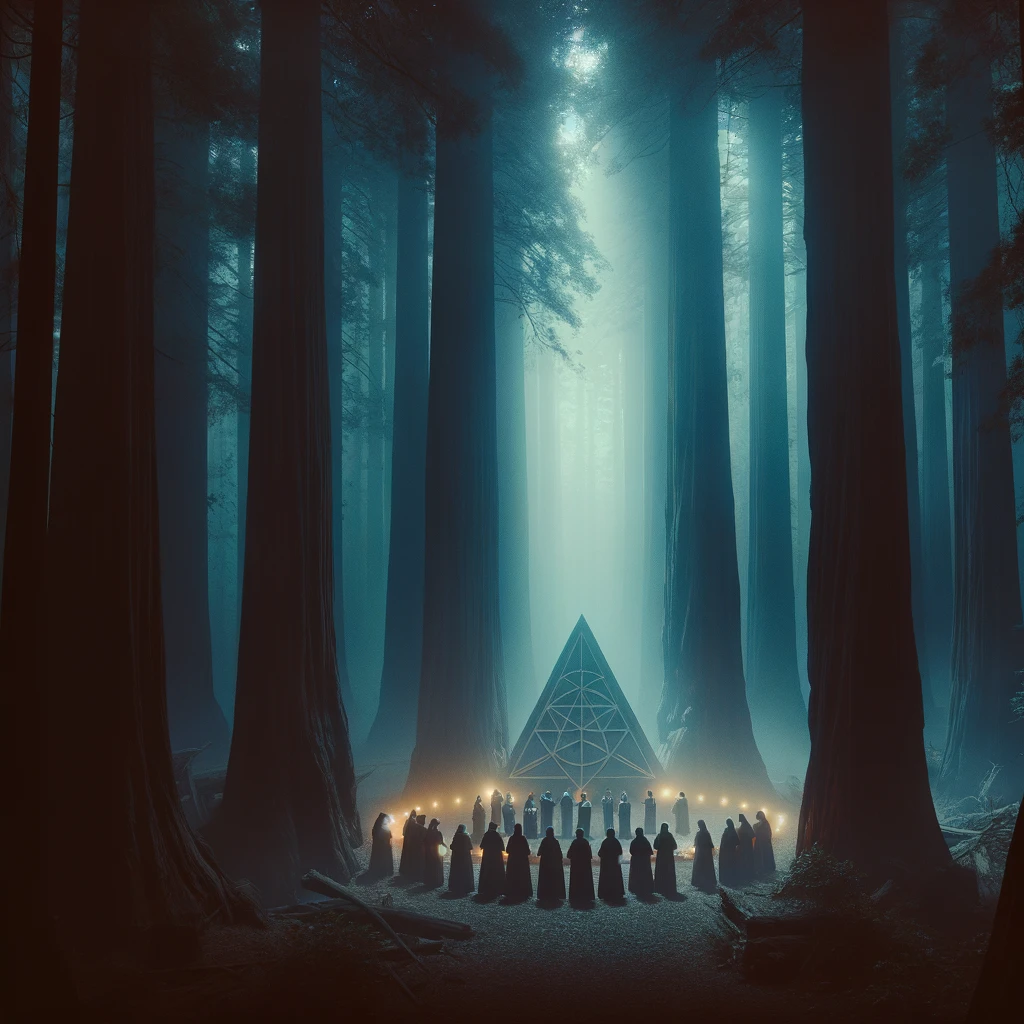
Mysterious cloaked figures gather around an effigy in the misty, ancient redwood forest of the Bohemian Grove, evoking the secrecy and intrigue of elite, clandestine meetings.

Introduction to the Bohemian Grove Conspiracy

The Bohemian Grove, nestled in the serene redwoods of Northern California, has long been shrouded in mystery and intrigue. At the heart of this enigma lies the Bohemian Club, an exclusive all-male fellowship comprising some of the most powerful and influential figures in politics, business, and the arts. Once a year, these elite members retreat to the Grove for two weeks of leisure, artistic expression, and, according to conspiracy theorists, much more covert activities.

The Bohemian Grove conspiracy theory suggests that these gatherings serve as a clandestine forum for orchestrating global policies, brokering backdoor deals, and conducting esoteric rituals away from the prying eyes of the public and the press. This theory casts the Bohemian Grove as a microcosm of shadow governance, where the true levers of power are pulled in secrecy.

The Most Popular Explanation Behind the Bohemian Group Conspiracy

The cornerstone of the Bohemian Grove conspiracy is the belief that the world’s elite use this secluded conclave not merely for relaxation and camaraderie but to shape the geopolitical landscape. The most popular explanation posits that during these retreats, members engage in discussions and make decisions that have far-reaching implications for global politics and economics.

Theorists often cite the Grove’s motto, “Weaving Spiders Come Not Here,” as a paradoxical indicator that, contrary to the Club’s assertion of apolitical leisure, significant political and business networking occurs, masked by the guise of leisure and entertainment.

Variations of the Conspiracy Theory

The Bohemian Grove conspiracy theory is not monolithic but comprises several variations, each adding layers to the narrative. Some versions focus on the alleged occult practices and rituals, the most infamous being the “Cremation of Care” ceremony, which critics interpret as a symbolic purging of conscience, enabling attendees to pursue their agendas unencumbered by guilt. Other variations suggest that policies such as the Manhattan Project and the Star Wars missile defense initiative were conceived or significantly advanced within the Grove’s confines.

Another strand of the conspiracy theory delves into the exclusionary nature of the Club, pointing to its all-male membership and the power dynamics at play, suggesting that the Grove acts as an echo chamber for a particular class and ideology, reinforcing existing power structures and agendas.

Evidence Opposing the Validity of the Bohemian Group Conspiracy

Skeptics of the Bohemian Grove conspiracy challenge the theory on several fronts, questioning the feasibility and practicality of such a vast array of influential decisions being made in an informal, albeit exclusive, gathering. Critics argue that while the Grove undoubtedly facilitates networking among the elite, the leap to clandestine global governance is a bridge too far, unsupported by concrete evidence.

Historical accounts and insider testimonies often paint the Grove’s activities in a more benign light, emphasizing theatrical performances, artistic expressions, and speeches on diverse topics, which, while exclusive, do not necessarily corroborate the more sinister aspects of the conspiracy theory. Moreover, the logistical challenges of maintaining secrecy in such a large and diverse group further strain the credibility of the theory.

Conclusion

The Bohemian Grove conspiracy theory taps into deep-seated anxieties about the concentration of power, the opacity of elite decision-making processes, and the human fascination with secret societies and occult rituals. It serves as a compelling narrative that questions the boundaries between the public and the private, the overt and the covert, and the mundane and the mystical.

As with many conspiracy theories, the Bohemian Grove narrative invites us to reflect on the nature of power, the dynamics of secrecy, and the interplay between reality and perception. It challenges us to consider how decisions are made, who gets to make them, and the venues in which they are shaped, reminding us of the enduring allure of the hidden and the forbidden in the human psyche.

Exploring the depths of the Bohemian Grove conspiracy theory offers a fascinating journey into the heart of American power, privilege, and secrecy, leaving us with more questions than answers about the world’s most exclusive gathering.
Table of contents

Mysterious cloaked figures gather around an effigy in the misty, ancient redwood forest of the Bohemian Grove, evoking the secrecy and intrigue of elite, clandestine meetings.
Whispers in the Woods: A Glimpse into the Bohemian Grove

Introduction to the Bohemian Grove Conspiracy

The Bohemian Grove, nestled in the serene redwoods of Northern California, has long been shrouded in mystery and intrigue. At the heart of this enigma lies the Bohemian Club, an exclusive all-male fellowship comprising some of the most powerful and influential figures in politics, business, and the arts. Once a year, these elite members retreat to the Grove for two weeks of leisure, artistic expression, and, according to conspiracy theorists, much more covert activities.

The Bohemian Grove conspiracy theory suggests that these gatherings serve as a clandestine forum for orchestrating global policies, brokering backdoor deals, and conducting esoteric rituals away from the prying eyes of the public and the press. This theory casts the Bohemian Grove as a microcosm of shadow governance, where the true levers of power are pulled in secrecy.

The Most Popular Explanation Behind the Bohemian Group Conspiracy

The cornerstone of the Bohemian Grove conspiracy is the belief that the world’s elite use this secluded conclave not merely for relaxation and camaraderie but to shape the geopolitical landscape. The most popular explanation posits that during these retreats, members engage in discussions and make decisions that have far-reaching implications for global politics and economics.

Theorists often cite the Grove’s motto, “Weaving Spiders Come Not Here,” as a paradoxical indicator that, contrary to the Club’s assertion of apolitical leisure, significant political and business networking occurs, masked by the guise of leisure and entertainment.

Variations of the Conspiracy Theory

The Bohemian Grove conspiracy theory is not monolithic but comprises several variations, each adding layers to the narrative. Some versions focus on the alleged occult practices and rituals, the most infamous being the “Cremation of Care” ceremony, which critics interpret as a symbolic purging of conscience, enabling attendees to pursue their agendas unencumbered by guilt. Other variations suggest that policies such as the Manhattan Project and the Star Wars missile defense initiative were conceived or significantly advanced within the Grove’s confines.

Another strand of the conspiracy theory delves into the exclusionary nature of the Club, pointing to its all-male membership and the power dynamics at play, suggesting that the Grove acts as an echo chamber for a particular class and ideology, reinforcing existing power structures and agendas.

Evidence Opposing the Validity of the Bohemian Group Conspiracy

Skeptics of the Bohemian Grove conspiracy challenge the theory on several fronts, questioning the feasibility and practicality of such a vast array of influential decisions being made in an informal, albeit exclusive, gathering. Critics argue that while the Grove undoubtedly facilitates networking among the elite, the leap to clandestine global governance is a bridge too far, unsupported by concrete evidence.

Historical accounts and insider testimonies often paint the Grove’s activities in a more benign light, emphasizing theatrical performances, artistic expressions, and speeches on diverse topics, which, while exclusive, do not necessarily corroborate the more sinister aspects of the conspiracy theory. Moreover, the logistical challenges of maintaining secrecy in such a large and diverse group further strain the credibility of the theory.

Conclusion

The Bohemian Grove conspiracy theory taps into deep-seated anxieties about the concentration of power, the opacity of elite decision-making processes, and the human fascination with secret societies and occult rituals. It serves as a compelling narrative that questions the boundaries between the public and the private, the overt and the covert, and the mundane and the mystical.

As with many conspiracy theories, the Bohemian Grove narrative invites us to reflect on the nature of power, the dynamics of secrecy, and the interplay between reality and perception. It challenges us to consider how decisions are made, who gets to make them, and the venues in which they are shaped, reminding us of the enduring allure of the hidden and the forbidden in the human psyche.

Exploring the depths of the Bohemian Grove conspiracy theory offers a fascinating journey into the heart of American power, privilege, and secrecy, leaving us with more questions than answers about the world’s most exclusive gathering.