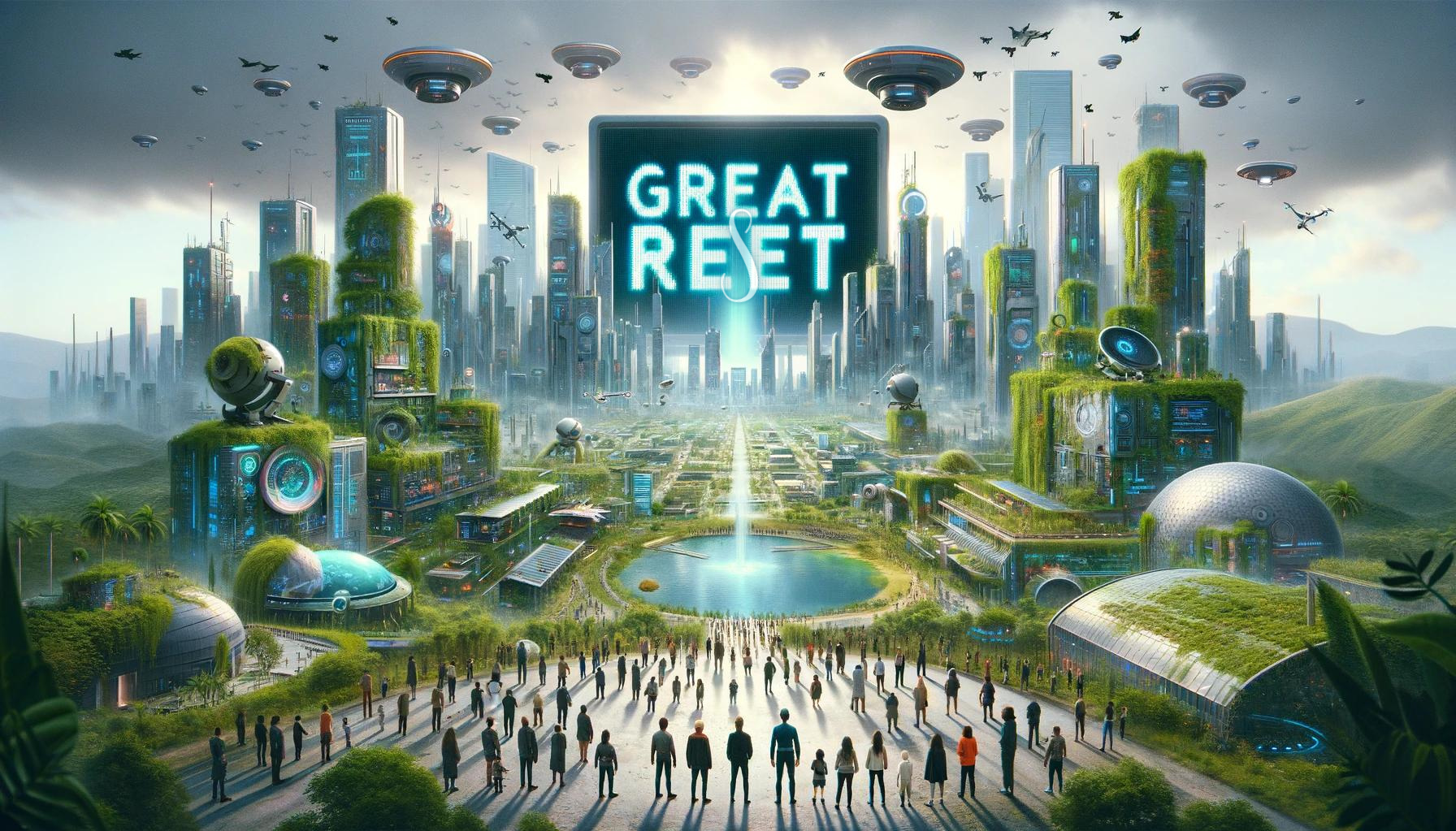
Understanding the “Great Reset”
The “Great Reset” initiative, officially proposed by the World Economic Forum (WEF), aims to address the urgent need for global stakeholders to cooperate in managing the direct consequences of the COVID-19 crisis. The initiative seeks to improve the state of the world by creating a more fair, sustainable, and resilient future. It encompasses themes like fairer market outcomes, investments in green technologies, and the digitization of economies.
However, the narrative surrounding the “Great Reset” took a divergent path in various online communities and among skeptics, morphing into a grand conspiracy theory. Critics argue that this initiative is a cover for a comprehensive plan to overhaul global economies and societies, centralizing power in the hands of a few while eroding national sovereignties and individual freedoms.
The Economic Implications
At the heart of the “Great Reset” conspiracy theory is the belief that the economic implications are vast and often sinister. Proponents of the theory argue that the push for a more sustainable economy masks an attempt to restructure capitalism and introduce socialist and communist principles that would redistribute wealth and control over production. The fear is that such changes could lead to the end of private property, enforced digital currencies, and a new form of economic dependency on state and supra-national entities.
Technological and Social Transformation
Another significant component of the “Great Reset” conspiracy is the emphasis on technological and social transformation. The rapid advancement in digital technologies and their integration into everyday life has raised concerns about increased surveillance, loss of privacy, and a move towards a more authoritarian form of governance. The theory suggests that the pandemic has been used to justify such shifts, with measures like lockdowns, vaccine passports, and contact tracing apps seen as steps towards a more controlled society.
Environmental Concerns and the Green Agenda
Environmental sustainability is a key pillar of the “Great Reset” initiative. However, conspiracy theorists argue that the environmental agenda is being used as a Trojan horse to usher in restrictive policies that would limit individual freedoms under the guise of combating climate change. Critics are wary of the push for green technologies and renewable energy sources, seeing them as avenues for increasing regulatory control over economies and personal choices.
Variations of the Conspiracy Theory
The “Great Reset” conspiracy theory is not monolithic; it exists in various iterations, each emphasizing different aspects of the initiative. Some versions focus on the economic overhaul, while others are more concerned with societal control through technology and the erosion of personal liberties. Despite these differences, the common thread remains a deep mistrust of global elites and international organizations.
Evidence Opposing the Validity of the “Great Reset” Conspiracy
Critics of the “Great Reset” conspiracy theory point to several key factors that undermine its validity. First, the initiative’s goals, as outlined by the World Economic Forum, are transparent and rooted in addressing legitimate global challenges. The conspiracy theory often takes these goals out of context or interprets them in the most sinister light possible.
Second, the theory tends to overestimate the level of cooperation and agreement among global elites and nations. The reality of international politics and economics is far more fragmented and contentious than the theory suggests. The notion of a unified global elite orchestrating such a comprehensive and detailed plan underestimates the complexity and diversity of global governance.
Lastly, many of the measures associated with the “Great Reset,” such as digital innovation and environmental policies, are responses to existing trends and challenges rather than components of a covert agenda. The digitization of economies, for example, has been underway for decades, driven by technological advancements rather than a conspiratorial push towards surveillance and control.
So, wWhat’s up with the Great Reset?
The “Great Reset” conspiracy theory taps into real anxieties about the rapid pace of change in the world, the growing power of technological and financial elites, and the future of democracy and individual freedoms. While it’s crucial to remain vigilant about these issues, it’s equally important to critically assess the evidence and arguments behind such theories.
As society navigates through unprecedented times, the discourse around the “Great Reset” serves as a reminder of the need for transparency, critical thinking, and inclusive dialogue in addressing global challenges. Understanding the nuances and motivations behind economic and social initiatives is key to fostering a world that is truly equitable and resilient.
The discussion around the “Great Reset” is far from over, and it will continue to evolve as the world moves forward. Whether one views it as a necessary step towards a sustainable future or a concerning consolidation of power, it’s a topic that demands attention and thoughtful consideration.