Opens in a new tab
Menu

The Great Barrier Reef Cover-Up: The Hidden Crisis

Dramatic contrast in a single image depicting half vibrant, colorful coral teeming with marine life and half bleached, dead coral, symbolizing the 'Reef Cover-Up' conspiracy in the Great Barrier Reef.
Visual Dichotomy: The Hidden Crisis of the Great Barrier Reef Cover-Up.

Overview of the Controversy

Spanning over 2,300 kilometers along the coast of Queensland, Australia, the Great Barrier Reef is visible from space and is one of the most complex natural ecosystems on Earth. It supports a diversity of life, including many endangered species. However, recent decades have seen this vibrant marine habitat grappling with unprecedented levels of coral bleaching – primarily due to rising sea temperatures. The “Reef Cover-Up” theory posits that the Australian government and some corporations are minimizing public knowledge about the extent of this bleaching to avoid economic losses, particularly in tourism and mining sectors.

The Most Popular Explanation Behind the “Reef Cover-Up”

Economic Interests vs. Environmental Concerns

The predominant explanation for the “Reef Cover-Up” involves significant financial interests. The Great Barrier Reef attracts millions of tourists each year, contributing billions to the local economy. Acknowledging the full extent of the environmental crisis could potentially devastate the tourism industry, leading to a massive economic downturn. Similarly, mining projects near the reef, particularly coal mines, could face stricter regulations or outright bans if the true environmental impact were widely recognized and acknowledged.

Government and Corporate Collusion

Accusations of collusion between the government and corporations form a central theme in this conspiracy theory. Critics argue that by controlling or skewing the dissemination of information regarding reef health, these entities can continue to exploit natural resources without incurring financial or reputational losses.

Variations of the Conspiracy Theory

There are several offshoots of the main “Reef Cover-Up” narrative. Some proponents suggest that scientific data on reef health is being altered or that scientists are being coerced into presenting less alarming figures or omitting data. Another variation posits that international environmental groups are in league with the government, helping to suppress bad news in exchange for funding and unrestricted access to the reef for research purposes.

Role of Media

The media’s role in this conspiracy theory is also hotly debated. Some accuse major media outlets of downplaying scientific reports about the reef’s condition, possibly under pressure from advertisers and corporate partners.

Evidence Opposing the Validity of the “Reef Cover-Up”

Despite the compelling nature of the “Reef Cover-Up” theory, there is substantial evidence to the contrary. Numerous independent studies by international scientists have been published and widely distributed, detailing the damage to the reef. Furthermore, the Australian government has invested significant resources in reef conservation efforts, which would be counterintuitive if a cover-up were truly underway.

Scientific Transparency and International Oversight

The global scientific community, including bodies like the United Nations and the International Coral Reef Initiative, regularly monitors and reports on the reef’s condition. These reports have consistently highlighted concerns about coral bleaching and environmental stresses, suggesting a level of transparency that contradicts the core claims of the conspiracy theory.

Conclusion

The “Reef Cover-Up” theory taps into valid concerns over environmental conservation and the influence of economic interests on scientific disclosure. However, the broad international attention and ongoing scientific research into the state of the Great Barrier Reef suggest that while not all news reaches the mainstream media, significant information is available to those who seek it.

This narrative compels us to question and critically evaluate the information presented to us about critical environmental issues like the Great Barrier Reef. It underscores the importance of vigilance and advocacy in safeguarding such invaluable natural resources for future generations.

dive down the rabbit hole

The Great Barrier Reef Cover-Up: The Hidden Crisis

Dramatic contrast in a single image depicting half vibrant, colorful coral teeming with marine life and half bleached, dead coral, symbolizing the 'Reef Cover-Up' conspiracy in the Great Barrier Reef.

Overview of the Controversy

Spanning over 2,300 kilometers along the coast of Queensland, Australia, the Great Barrier Reef is visible from space and is one of the most complex natural ecosystems on Earth. It supports a diversity of life, including many endangered species. However, recent decades have seen this vibrant marine habitat grappling with unprecedented levels of coral bleaching – primarily due to rising sea temperatures. The “Reef Cover-Up” theory posits that the Australian government and some corporations are minimizing public knowledge about the extent of this bleaching to avoid economic losses, particularly in tourism and mining sectors.

The Most Popular Explanation Behind the “Reef Cover-Up”

Economic Interests vs. Environmental Concerns

The predominant explanation for the “Reef Cover-Up” involves significant financial interests. The Great Barrier Reef attracts millions of tourists each year, contributing billions to the local economy. Acknowledging the full extent of the environmental crisis could potentially devastate the tourism industry, leading to a massive economic downturn. Similarly, mining projects near the reef, particularly coal mines, could face stricter regulations or outright bans if the true environmental impact were widely recognized and acknowledged.

Government and Corporate Collusion

Accusations of collusion between the government and corporations form a central theme in this conspiracy theory. Critics argue that by controlling or skewing the dissemination of information regarding reef health, these entities can continue to exploit natural resources without incurring financial or reputational losses.

Variations of the Conspiracy Theory

There are several offshoots of the main “Reef Cover-Up” narrative. Some proponents suggest that scientific data on reef health is being altered or that scientists are being coerced into presenting less alarming figures or omitting data. Another variation posits that international environmental groups are in league with the government, helping to suppress bad news in exchange for funding and unrestricted access to the reef for research purposes.

Role of Media

The media’s role in this conspiracy theory is also hotly debated. Some accuse major media outlets of downplaying scientific reports about the reef’s condition, possibly under pressure from advertisers and corporate partners.

Evidence Opposing the Validity of the “Reef Cover-Up”

Despite the compelling nature of the “Reef Cover-Up” theory, there is substantial evidence to the contrary. Numerous independent studies by international scientists have been published and widely distributed, detailing the damage to the reef. Furthermore, the Australian government has invested significant resources in reef conservation efforts, which would be counterintuitive if a cover-up were truly underway.

Scientific Transparency and International Oversight

The global scientific community, including bodies like the United Nations and the International Coral Reef Initiative, regularly monitors and reports on the reef’s condition. These reports have consistently highlighted concerns about coral bleaching and environmental stresses, suggesting a level of transparency that contradicts the core claims of the conspiracy theory.

Conclusion

The “Reef Cover-Up” theory taps into valid concerns over environmental conservation and the influence of economic interests on scientific disclosure. However, the broad international attention and ongoing scientific research into the state of the Great Barrier Reef suggest that while not all news reaches the mainstream media, significant information is available to those who seek it.

This narrative compels us to question and critically evaluate the information presented to us about critical environmental issues like the Great Barrier Reef. It underscores the importance of vigilance and advocacy in safeguarding such invaluable natural resources for future generations.
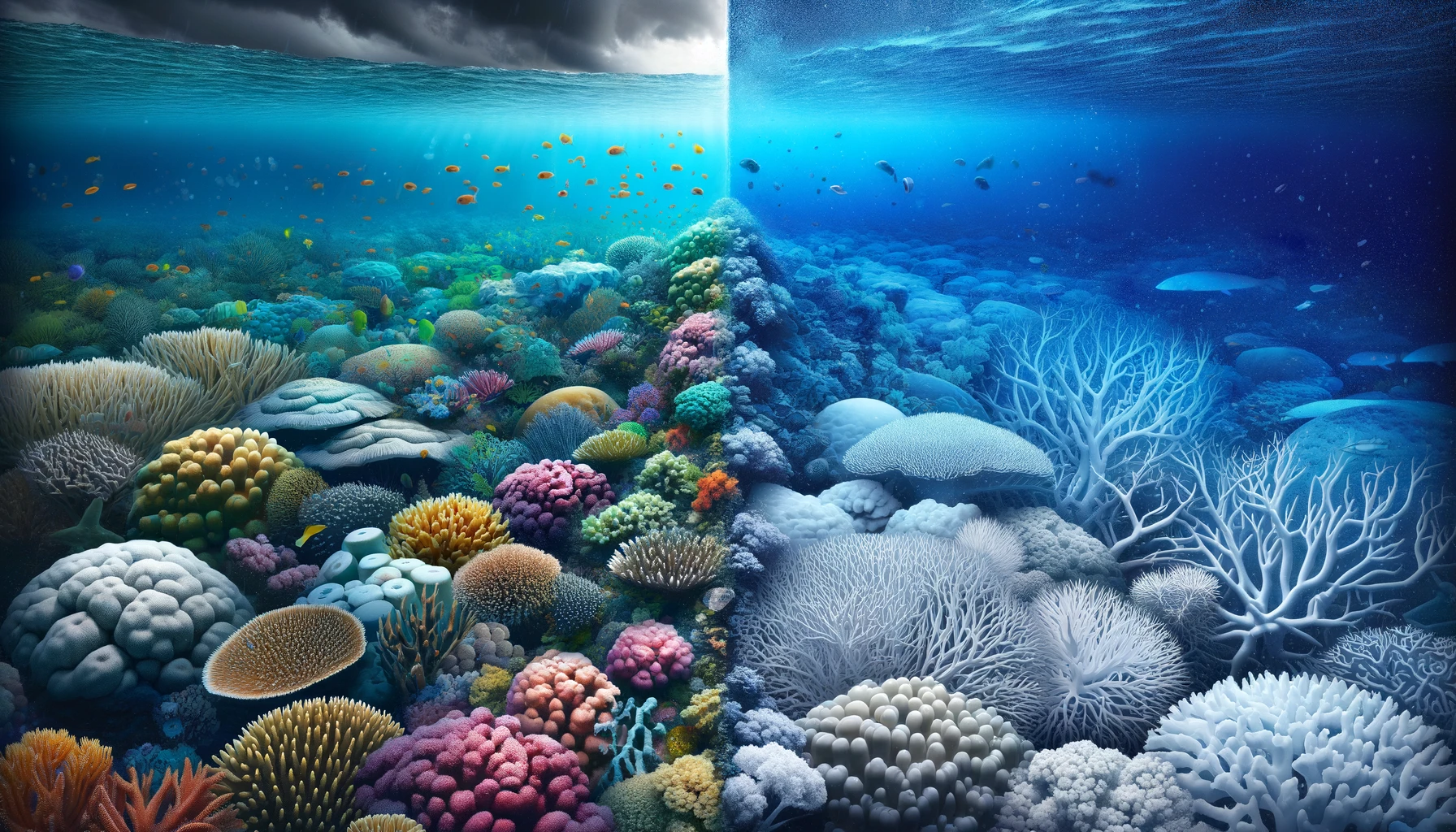
Table of contents

The Great Barrier Reef Cover-Up: The Hidden Crisis

Overview of the Controversy Spanning over 2,300 kilometers along the coast of Queensland, Australia, the Great Barrier Reef is visible from space and is one of the most complex natural ecosystems on Earth. It supports a diversity of life, including many endangered species. However, recent decades have seen this vibrant marine habitat grappling with unprecedented levels of coral bleaching – primarily due to rising sea temperatures. The “Reef Cover-Up” theory posits that the Australian government and some corporations are minimizing public knowledge about the extent of this bleaching to avoid economic losses, particularly in tourism and mining sectors. The…

S-FX.com
Dramatic contrast in a single image depicting half vibrant, colorful coral teeming with marine life and half bleached, dead coral, symbolizing the 'Reef Cover-Up' conspiracy in the Great Barrier Reef.
Visual Dichotomy: The Hidden Crisis of the Great Barrier Reef Cover-Up.

Overview of the Controversy

Spanning over 2,300 kilometers along the coast of Queensland, Australia, the Great Barrier Reef is visible from space and is one of the most complex natural ecosystems on Earth. It supports a diversity of life, including many endangered species. However, recent decades have seen this vibrant marine habitat grappling with unprecedented levels of coral bleaching – primarily due to rising sea temperatures. The “Reef Cover-Up” theory posits that the Australian government and some corporations are minimizing public knowledge about the extent of this bleaching to avoid economic losses, particularly in tourism and mining sectors.

The Most Popular Explanation Behind the “Reef Cover-Up”

Economic Interests vs. Environmental Concerns

The predominant explanation for the “Reef Cover-Up” involves significant financial interests. The Great Barrier Reef attracts millions of tourists each year, contributing billions to the local economy. Acknowledging the full extent of the environmental crisis could potentially devastate the tourism industry, leading to a massive economic downturn. Similarly, mining projects near the reef, particularly coal mines, could face stricter regulations or outright bans if the true environmental impact were widely recognized and acknowledged.

Government and Corporate Collusion

Accusations of collusion between the government and corporations form a central theme in this conspiracy theory. Critics argue that by controlling or skewing the dissemination of information regarding reef health, these entities can continue to exploit natural resources without incurring financial or reputational losses.

Variations of the Conspiracy Theory

There are several offshoots of the main “Reef Cover-Up” narrative. Some proponents suggest that scientific data on reef health is being altered or that scientists are being coerced into presenting less alarming figures or omitting data. Another variation posits that international environmental groups are in league with the government, helping to suppress bad news in exchange for funding and unrestricted access to the reef for research purposes.

Role of Media

The media’s role in this conspiracy theory is also hotly debated. Some accuse major media outlets of downplaying scientific reports about the reef’s condition, possibly under pressure from advertisers and corporate partners.

Evidence Opposing the Validity of the “Reef Cover-Up”

Despite the compelling nature of the “Reef Cover-Up” theory, there is substantial evidence to the contrary. Numerous independent studies by international scientists have been published and widely distributed, detailing the damage to the reef. Furthermore, the Australian government has invested significant resources in reef conservation efforts, which would be counterintuitive if a cover-up were truly underway.

Scientific Transparency and International Oversight

The global scientific community, including bodies like the United Nations and the International Coral Reef Initiative, regularly monitors and reports on the reef’s condition. These reports have consistently highlighted concerns about coral bleaching and environmental stresses, suggesting a level of transparency that contradicts the core claims of the conspiracy theory.

Conclusion

The “Reef Cover-Up” theory taps into valid concerns over environmental conservation and the influence of economic interests on scientific disclosure. However, the broad international attention and ongoing scientific research into the state of the Great Barrier Reef suggest that while not all news reaches the mainstream media, significant information is available to those who seek it.

This narrative compels us to question and critically evaluate the information presented to us about critical environmental issues like the Great Barrier Reef. It underscores the importance of vigilance and advocacy in safeguarding such invaluable natural resources for future generations.