Opens in a new tab
Menu

The Franklin Cover-Up: Nebraska’s Alleged Elite Pedophile Network

The Franklin Cover-Up: Nebraska's Alleged Elite Pedophile Network

In 1988, a small credit union in Omaha, Nebraska collapsed under the weight of an $40 million embezzlement scandal. What should have been a straightforward financial fraud case instead spiraled into one of the most disturbing and controversial alleged cover-ups in American history — involving claims of child trafficking, powerful political figures, a shadowy pedophile network reaching to Washington D.C., and a systematic effort to silence victims that left multiple witnesses dead.

The story of the Franklin Credit Union scandal — and the alleged network it supposedly exposed — was investigated by a Nebraska state legislative committee, a federal grand jury, and independent researchers. It resulted in convictions, suspicious deaths, recanted testimony, and a suppressed documentary. And it was buried so thoroughly that most Americans have never heard of it.

The Franklin Credit Union Collapse

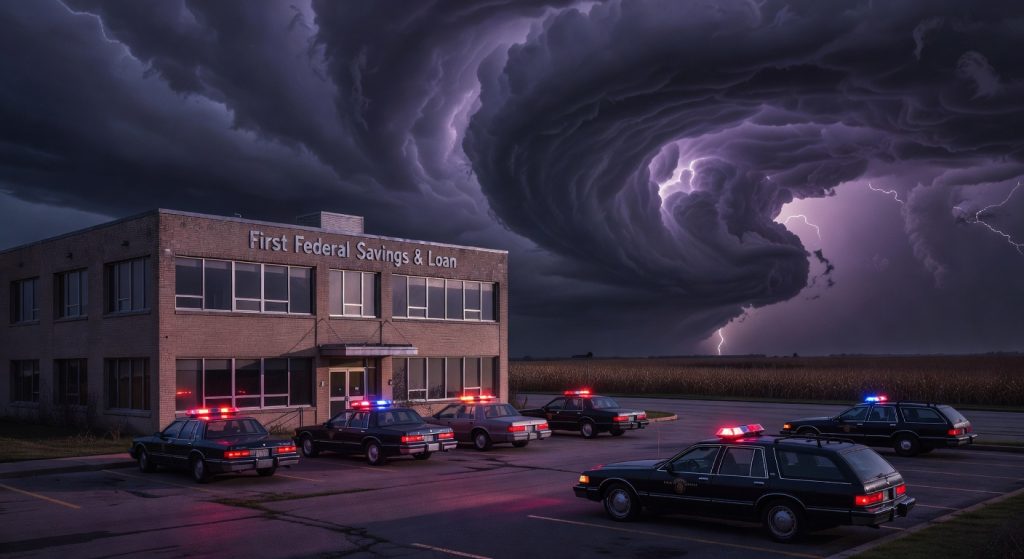
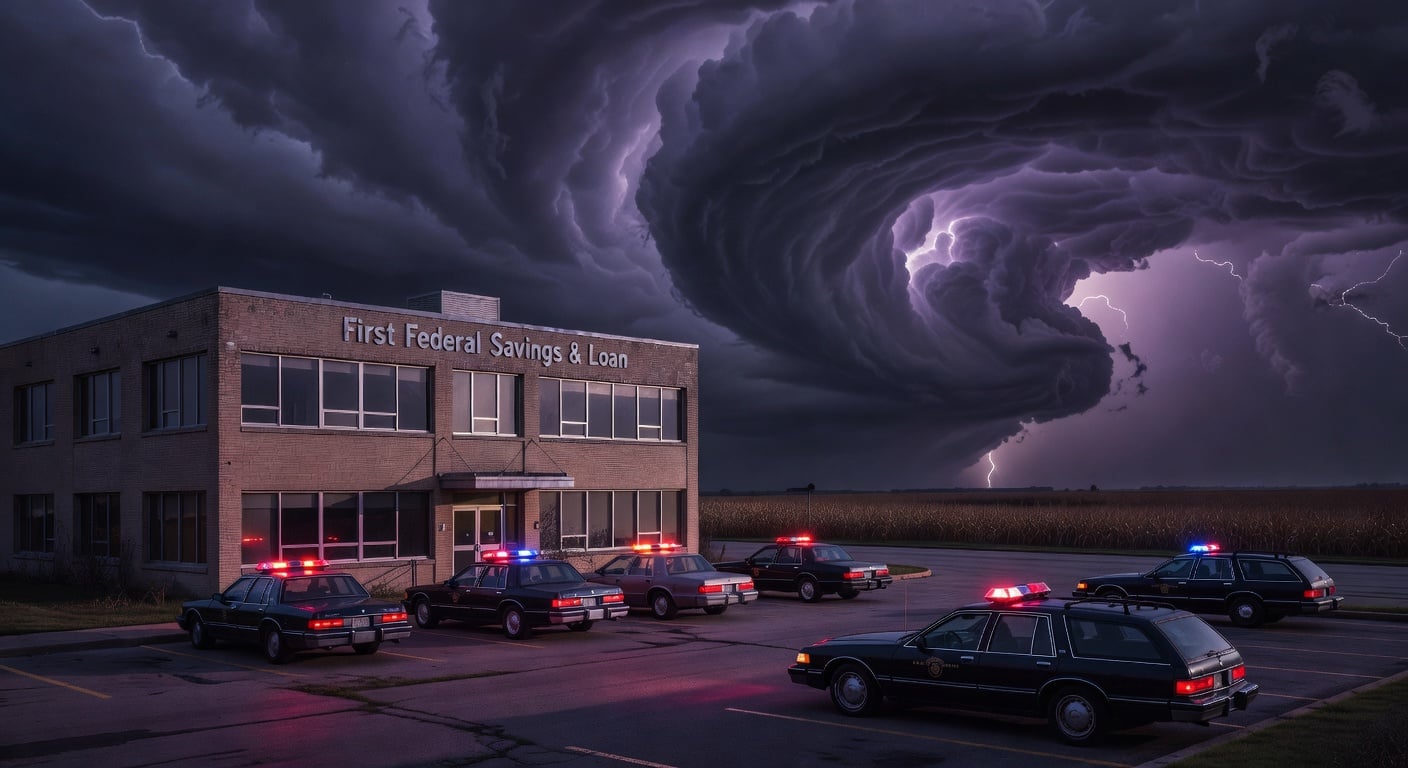
The Franklin Community Federal Credit Union was established in Omaha’s predominantly Black North Side neighborhood, ostensibly as a community development institution. Its director was Lawrence “Larry” King Jr. — not the talk show host, but a rising star in Republican politics who sang the national anthem at the 1984 and 1988 Republican National Conventions and mingled with the most powerful figures in the party.

In November 1988, federal regulators discovered that King had looted the credit union of approximately $40 million. He was eventually convicted of embezzlement and served about five years in federal prison. That much is uncontested.

But the investigation didn’t stop at financial fraud. As investigators and journalists began digging into King’s operations, a far darker picture emerged — allegations that King had been running a child prostitution ring, flying underage victims to Washington D.C. and other cities for parties attended by wealthy and powerful men.

The Legislative Investigation

In 1989, the Nebraska Legislature’s Banking, Commerce and Insurance Committee formed a special committee to investigate the Franklin case. It was chaired by Senator Loran Schmit and hired investigator Gary Caradori to lead the inquiry.

What Caradori uncovered was explosive. He tracked down alleged victims — many of them foster children and youth from troubled backgrounds — who claimed they had been sexually abused, used in child pornography, and trafficked to wealthy clients. Some claimed they had been taken on trips to Washington D.C., where they were made available to powerful figures.

The most prominent alleged victim was Paul Bonacci, who gave detailed and consistent testimony about abuse, about Larry King’s network, about specific locations and events. Another key witness was Alisha Owen, who named specific powerful Nebraskans as her abusers, including a sitting Omaha police chief.

Caradori believed his witnesses. He told colleagues he was getting close to something big. He reportedly told the committee he had obtained evidence that would “blow the lid off” the case.

On July 11, 1990, Gary Caradori’s small plane disintegrated in midair over Illinois. He and his eight-year-old son Andrew were killed. His briefcase, which colleagues said he always carried and which reportedly contained the evidence he’d assembled, was never recovered from the crash site.

The National Transportation Safety Board investigation was inconclusive about the cause of the crash.

The Witnesses and What Happened to Them

The fate of the witnesses in the Franklin case is one of the most disturbing aspects of the entire affair.

Alisha Owen was convicted of perjury in 1991 and sentenced to 9 to 15 years — an extraordinarily harsh sentence for perjury, far exceeding the sentences of the people she had accused. She served several years before her sentence was eventually reduced.

Paul Bonacci was simultaneously charged with unrelated crimes. But unlike Owen, Bonacci eventually prevailed in a 1999 civil lawsuit — a federal judge, Warren Urbom, ruled against Larry King and awarded Bonacci $1 million in damages, finding that King had indeed subjected Bonacci to “sexual abuse, exploitation, and associated personal injuries.”

The civil judgment is often overlooked in dismissals of the Franklin case. A federal judge, in a formal legal proceeding, found that Larry King had sexually abused Paul Bonacci. Whatever else may be uncertain about the case, that much was legally established.

Other witnesses and individuals connected to the investigation died under circumstances that drew comment from investigators. Eulice Washington, another alleged victim, was killed in a hit-and-run accident. Joe Doe, a witness who had provided information to Caradori, also died. The cluster of deaths connected to the case struck many observers as statistically remarkable.

The Grand Jury and Its Controversial Findings

A federal grand jury was convened in 1990 to investigate the abuse allegations. Rather than indicting the accused, the grand jury concluded that the allegations were a “carefully crafted hoax” and recommended that several of the young witnesses who had made accusations be prosecuted for perjury.

Critics of this outcome pointed out several troubling anomalies. The grand jury was not presented with all available evidence. Jurors later spoke publicly about feeling that the proceedings had been managed in a way that steered them away from certain conclusions. And the recommendation that child victims be prosecuted for perjury — rather than their alleged abusers — struck child welfare advocates as a remarkable inversion of normal prosecutorial priorities.

John W. DeCamp, a former Nebraska state senator and Vietnam veteran with CIA connections, represented Paul Bonacci and eventually wrote a book about the case titled The Franklin Cover-Up, published in 1992. DeCamp argued that the grand jury process had been deliberately corrupted to protect powerful interests. His book became a touchstone for researchers following the case.

The Documentary That Was Pulled

In 1993, Yorkshire Television in the United Kingdom produced a documentary titled Conspiracy of Silence about the Franklin case. It was scheduled to air on the Discovery Channel in the United States on May 3, 1994.

It never aired. The Discovery Channel canceled the broadcast. According to those involved in its production, the documentary was purchased and suppressed — copies were bought up and destroyed. A rough cut eventually surfaced and has circulated online ever since, making it one of the most famous “banned” documentaries in conspiracy research circles.

The documentary featured interviews with alleged victims, investigators, and experts, and presented what its makers considered compelling evidence that the child trafficking allegations had been real and that a cover-up had occurred at the highest levels of Nebraska’s political and law enforcement establishment.

The Discovery Channel has never fully explained the cancellation.

The Washington Connection

The most explosive allegations in the Franklin case involved Larry King’s supposed connections to Washington D.C. — claims that his trafficking network served powerful political figures in the nation’s capital.

A Washington Times article from June 1989 — one of the most significant pieces of contemporaneous reporting on the case — reported on allegations of a “call boy” ring that had connections to the Reagan and Bush administrations and that boys had been taken on late-night tours of the White House. The story caused a brief stir and then largely disappeared from mainstream coverage.

Larry King’s access to Republican party events and his apparent connections to powerful people in Washington have never been fully explained in public proceedings. Who flew him to those events? Who introduced him to that world? Who benefited from his operations?

These questions have never been answered to the satisfaction of those who investigated the case.

What We Know and Don’t Know

The Franklin case is a study in evidentiary complexity. Some things are firmly established:

Larry King committed massive financial fraud. He was connected to powerful Republican political figures. A federal judge found that he sexually abused Paul Bonacci. The chief investigator died in a suspicious plane crash. A documentary was suppressed. Witnesses were prosecuted while their alleged abusers were not.

What remains contested:

The full extent of any trafficking network. The identities of any other participants. Whether the Washington D.C. connection was real. Whether the grand jury process was corrupted.

For researchers like DeCamp and many journalists who’ve followed the case, the established facts are damning enough to demand a real accounting. For defenders of the official record, the perjury convictions and grand jury findings settle the matter.

What’s undeniable is that the Franklin case has never received anything approaching a comprehensive, transparent public investigation. The questions it raises — about child welfare, about powerful men who exploit vulnerable youth, about systems that protect abusers over victims — have not gone away. If anything, they’ve become more urgent.

The Nebraska legislative committee’s final report remains available to the public. Read it, and decide for yourself what was covered up — and what wasn’t.

Down the Rabbit Hole

The Franklin case connects to a broader constellation of disturbing allegations. Consider exploring:

  • The Dutroux Affair in Belgium — A 1996 child kidnapping case that, like Franklin, spiraled into allegations of elite involvement and was widely believed in Belgium to have been incompletely investigated.
  • The Epstein Network — Jeffrey Epstein’s documented trafficking operation and its connections to powerful figures worldwide raises many of the same structural questions as the Franklin case.
  • The Finders Cult Investigation — A 1987 Customs Service investigation into a Washington D.C.-based group that allegedly trafficked children, which was reportedly shut down by CIA intervention.
  • COINTELPRO and Witness Intimidation — How the FBI has historically managed and neutralized witnesses in politically sensitive investigations.
  • Child Welfare System Vulnerabilities — How foster care and youth services programs have historically been exploited by predatory networks, and why victims so rarely receive justice.

Disclaimer: This article is intended for educational and entertainment purposes. The Conspiracy Realist presents documented historical facts, publicly available legal findings, and credible investigative journalism alongside speculative analysis. Some allegations in this case remain legally contested. Readers are encouraged to research primary sources and form their own conclusions.

dive down the rabbit hole

The Franklin Cover-Up: Nebraska’s Alleged Elite Pedophile Network

Conspiracy Realist
The Franklin Cover-Up: Nebraska's Alleged Elite Pedophile Network

In 1988, a small credit union in Omaha, Nebraska collapsed under the weight of an $40 million embezzlement scandal. What should have been a straightforward financial fraud case instead spiraled into one of the most disturbing and controversial alleged cover-ups in American history — involving claims of child trafficking, powerful political figures, a shadowy pedophile network reaching to Washington D.C., and a systematic effort to silence victims that left multiple witnesses dead.

The story of the Franklin Credit Union scandal — and the alleged network it supposedly exposed — was investigated by a Nebraska state legislative committee, a federal grand jury, and independent researchers. It resulted in convictions, suspicious deaths, recanted testimony, and a suppressed documentary. And it was buried so thoroughly that most Americans have never heard of it.

The Franklin Credit Union Collapse

The Franklin Community Federal Credit Union was established in Omaha’s predominantly Black North Side neighborhood, ostensibly as a community development institution. Its director was Lawrence “Larry” King Jr. — not the talk show host, but a rising star in Republican politics who sang the national anthem at the 1984 and 1988 Republican National Conventions and mingled with the most powerful figures in the party.

In November 1988, federal regulators discovered that King had looted the credit union of approximately $40 million. He was eventually convicted of embezzlement and served about five years in federal prison. That much is uncontested.

But the investigation didn’t stop at financial fraud. As investigators and journalists began digging into King’s operations, a far darker picture emerged — allegations that King had been running a child prostitution ring, flying underage victims to Washington D.C. and other cities for parties attended by wealthy and powerful men.

The Legislative Investigation

In 1989, the Nebraska Legislature’s Banking, Commerce and Insurance Committee formed a special committee to investigate the Franklin case. It was chaired by Senator Loran Schmit and hired investigator Gary Caradori to lead the inquiry.

What Caradori uncovered was explosive. He tracked down alleged victims — many of them foster children and youth from troubled backgrounds — who claimed they had been sexually abused, used in child pornography, and trafficked to wealthy clients. Some claimed they had been taken on trips to Washington D.C., where they were made available to powerful figures.

The most prominent alleged victim was Paul Bonacci, who gave detailed and consistent testimony about abuse, about Larry King’s network, about specific locations and events. Another key witness was Alisha Owen, who named specific powerful Nebraskans as her abusers, including a sitting Omaha police chief.

Caradori believed his witnesses. He told colleagues he was getting close to something big. He reportedly told the committee he had obtained evidence that would “blow the lid off” the case.

On July 11, 1990, Gary Caradori’s small plane disintegrated in midair over Illinois. He and his eight-year-old son Andrew were killed. His briefcase, which colleagues said he always carried and which reportedly contained the evidence he’d assembled, was never recovered from the crash site.

The National Transportation Safety Board investigation was inconclusive about the cause of the crash.

The Witnesses and What Happened to Them

The fate of the witnesses in the Franklin case is one of the most disturbing aspects of the entire affair.

Alisha Owen was convicted of perjury in 1991 and sentenced to 9 to 15 years — an extraordinarily harsh sentence for perjury, far exceeding the sentences of the people she had accused. She served several years before her sentence was eventually reduced.

Paul Bonacci was simultaneously charged with unrelated crimes. But unlike Owen, Bonacci eventually prevailed in a 1999 civil lawsuit — a federal judge, Warren Urbom, ruled against Larry King and awarded Bonacci $1 million in damages, finding that King had indeed subjected Bonacci to “sexual abuse, exploitation, and associated personal injuries.”

The civil judgment is often overlooked in dismissals of the Franklin case. A federal judge, in a formal legal proceeding, found that Larry King had sexually abused Paul Bonacci. Whatever else may be uncertain about the case, that much was legally established.

Other witnesses and individuals connected to the investigation died under circumstances that drew comment from investigators. Eulice Washington, another alleged victim, was killed in a hit-and-run accident. Joe Doe, a witness who had provided information to Caradori, also died. The cluster of deaths connected to the case struck many observers as statistically remarkable.

The Grand Jury and Its Controversial Findings

A federal grand jury was convened in 1990 to investigate the abuse allegations. Rather than indicting the accused, the grand jury concluded that the allegations were a “carefully crafted hoax” and recommended that several of the young witnesses who had made accusations be prosecuted for perjury.

Critics of this outcome pointed out several troubling anomalies. The grand jury was not presented with all available evidence. Jurors later spoke publicly about feeling that the proceedings had been managed in a way that steered them away from certain conclusions. And the recommendation that child victims be prosecuted for perjury — rather than their alleged abusers — struck child welfare advocates as a remarkable inversion of normal prosecutorial priorities.

John W. DeCamp, a former Nebraska state senator and Vietnam veteran with CIA connections, represented Paul Bonacci and eventually wrote a book about the case titled The Franklin Cover-Up, published in 1992. DeCamp argued that the grand jury process had been deliberately corrupted to protect powerful interests. His book became a touchstone for researchers following the case.

The Documentary That Was Pulled

In 1993, Yorkshire Television in the United Kingdom produced a documentary titled Conspiracy of Silence about the Franklin case. It was scheduled to air on the Discovery Channel in the United States on May 3, 1994.

It never aired. The Discovery Channel canceled the broadcast. According to those involved in its production, the documentary was purchased and suppressed — copies were bought up and destroyed. A rough cut eventually surfaced and has circulated online ever since, making it one of the most famous “banned” documentaries in conspiracy research circles.

The documentary featured interviews with alleged victims, investigators, and experts, and presented what its makers considered compelling evidence that the child trafficking allegations had been real and that a cover-up had occurred at the highest levels of Nebraska’s political and law enforcement establishment.

The Discovery Channel has never fully explained the cancellation.

The Washington Connection

The most explosive allegations in the Franklin case involved Larry King’s supposed connections to Washington D.C. — claims that his trafficking network served powerful political figures in the nation’s capital.

A Washington Times article from June 1989 — one of the most significant pieces of contemporaneous reporting on the case — reported on allegations of a “call boy” ring that had connections to the Reagan and Bush administrations and that boys had been taken on late-night tours of the White House. The story caused a brief stir and then largely disappeared from mainstream coverage.

Larry King’s access to Republican party events and his apparent connections to powerful people in Washington have never been fully explained in public proceedings. Who flew him to those events? Who introduced him to that world? Who benefited from his operations?

These questions have never been answered to the satisfaction of those who investigated the case.

What We Know and Don’t Know

The Franklin case is a study in evidentiary complexity. Some things are firmly established:

Larry King committed massive financial fraud. He was connected to powerful Republican political figures. A federal judge found that he sexually abused Paul Bonacci. The chief investigator died in a suspicious plane crash. A documentary was suppressed. Witnesses were prosecuted while their alleged abusers were not.

What remains contested:

The full extent of any trafficking network. The identities of any other participants. Whether the Washington D.C. connection was real. Whether the grand jury process was corrupted.

For researchers like DeCamp and many journalists who’ve followed the case, the established facts are damning enough to demand a real accounting. For defenders of the official record, the perjury convictions and grand jury findings settle the matter.

What’s undeniable is that the Franklin case has never received anything approaching a comprehensive, transparent public investigation. The questions it raises — about child welfare, about powerful men who exploit vulnerable youth, about systems that protect abusers over victims — have not gone away. If anything, they’ve become more urgent.

The Nebraska legislative committee’s final report remains available to the public. Read it, and decide for yourself what was covered up — and what wasn’t.

Down the Rabbit Hole

The Franklin case connects to a broader constellation of disturbing allegations. Consider exploring:

  • The Dutroux Affair in Belgium — A 1996 child kidnapping case that, like Franklin, spiraled into allegations of elite involvement and was widely believed in Belgium to have been incompletely investigated.
  • The Epstein Network — Jeffrey Epstein’s documented trafficking operation and its connections to powerful figures worldwide raises many of the same structural questions as the Franklin case.
  • The Finders Cult Investigation — A 1987 Customs Service investigation into a Washington D.C.-based group that allegedly trafficked children, which was reportedly shut down by CIA intervention.
  • COINTELPRO and Witness Intimidation — How the FBI has historically managed and neutralized witnesses in politically sensitive investigations.
  • Child Welfare System Vulnerabilities — How foster care and youth services programs have historically been exploited by predatory networks, and why victims so rarely receive justice.

Disclaimer: This article is intended for educational and entertainment purposes. The Conspiracy Realist presents documented historical facts, publicly available legal findings, and credible investigative journalism alongside speculative analysis. Some allegations in this case remain legally contested. Readers are encouraged to research primary sources and form their own conclusions.

The Franklin Cover-Up: Nebraska’s Alleged Elite Pedophile Network

The Franklin Cover-Up: Nebraska's Alleged Elite Pedophile Network

In 1988, a small credit union in Omaha, Nebraska collapsed under the weight of an $40 million embezzlement scandal. What should have been a straightforward financial fraud case instead spiraled into one of the most disturbing and controversial alleged cover-ups in American history — involving claims of child trafficking, powerful political figures, a shadowy pedophile network reaching to Washington D.C., and a systematic effort to silence victims that left multiple witnesses dead.

The story of the Franklin Credit Union scandal — and the alleged network it supposedly exposed — was investigated by a Nebraska state legislative committee, a federal grand jury, and independent researchers. It resulted in convictions, suspicious deaths, recanted testimony, and a suppressed documentary. And it was buried so thoroughly that most Americans have never heard of it.

The Franklin Credit Union Collapse

The Franklin Community Federal Credit Union was established in Omaha’s predominantly Black North Side neighborhood, ostensibly as a community development institution. Its director was Lawrence “Larry” King Jr. — not the talk show host, but a rising star in Republican politics who sang the national anthem at the 1984 and 1988 Republican National Conventions and mingled with the most powerful figures in the party.

In November 1988, federal regulators discovered that King had looted the credit union of approximately $40 million. He was eventually convicted of embezzlement and served about five years in federal prison. That much is uncontested.

But the investigation didn’t stop at financial fraud. As investigators and journalists began digging into King’s operations, a far darker picture emerged — allegations that King had been running a child prostitution ring, flying underage victims to Washington D.C. and other cities for parties attended by wealthy and powerful men.

The Legislative Investigation

In 1989, the Nebraska Legislature’s Banking, Commerce and Insurance Committee formed a special committee to investigate the Franklin case. It was chaired by Senator Loran Schmit and hired investigator Gary Caradori to lead the inquiry.

What Caradori uncovered was explosive. He tracked down alleged victims — many of them foster children and youth from troubled backgrounds — who claimed they had been sexually abused, used in child pornography, and trafficked to wealthy clients. Some claimed they had been taken on trips to Washington D.C., where they were made available to powerful figures.

The most prominent alleged victim was Paul Bonacci, who gave detailed and consistent testimony about abuse, about Larry King’s network, about specific locations and events. Another key witness was Alisha Owen, who named specific powerful Nebraskans as her abusers, including a sitting Omaha police chief.

Caradori believed his witnesses. He told colleagues he was getting close to something big. He reportedly told the committee he had obtained evidence that would “blow the lid off” the case.

On July 11, 1990, Gary Caradori’s small plane disintegrated in midair over Illinois. He and his eight-year-old son Andrew were killed. His briefcase, which colleagues said he always carried and which reportedly contained the evidence he’d assembled, was never recovered from the crash site.

The National Transportation Safety Board investigation was inconclusive about the cause of the crash.

The Witnesses and What Happened to Them

The fate of the witnesses in the Franklin case is one of the most disturbing aspects of the entire affair.

Alisha Owen was convicted of perjury in 1991 and sentenced to 9 to 15 years — an extraordinarily harsh sentence for perjury, far exceeding the sentences of the people she had accused. She served several years before her sentence was eventually reduced.

Paul Bonacci was simultaneously charged with unrelated crimes. But unlike Owen, Bonacci eventually prevailed in a 1999 civil lawsuit — a federal judge, Warren Urbom, ruled against Larry King and awarded Bonacci $1 million in damages, finding that King had indeed subjected Bonacci to “sexual abuse, exploitation, and associated personal injuries.”

The civil judgment is often overlooked in dismissals of the Franklin case. A federal judge, in a formal legal proceeding, found that Larry King had sexually abused Paul Bonacci. Whatever else may be uncertain about the case, that much was legally established.

Other witnesses and individuals connected to the investigation died under circumstances that drew comment from investigators. Eulice Washington, another alleged victim, was killed in a hit-and-run accident. Joe Doe, a witness who had provided information to Caradori, also died. The cluster of deaths connected to the case struck many observers as statistically remarkable.

The Grand Jury and Its Controversial Findings

A federal grand jury was convened in 1990 to investigate the abuse allegations. Rather than indicting the accused, the grand jury concluded that the allegations were a “carefully crafted hoax” and recommended that several of the young witnesses who had made accusations be prosecuted for perjury.

Critics of this outcome pointed out several troubling anomalies. The grand jury was not presented with all available evidence. Jurors later spoke publicly about feeling that the proceedings had been managed in a way that steered them away from certain conclusions. And the recommendation that child victims be prosecuted for perjury — rather than their alleged abusers — struck child welfare advocates as a remarkable inversion of normal prosecutorial priorities.

John W. DeCamp, a former Nebraska state senator and Vietnam veteran with CIA connections, represented Paul Bonacci and eventually wrote a book about the case titled The Franklin Cover-Up, published in 1992. DeCamp argued that the grand jury process had been deliberately corrupted to protect powerful interests. His book became a touchstone for researchers following the case.

The Documentary That Was Pulled

In 1993, Yorkshire Television in the United Kingdom produced a documentary titled Conspiracy of Silence about the Franklin case. It was scheduled to air on the Discovery Channel in the United States on May 3, 1994.

It never aired. The Discovery Channel canceled the broadcast. According to those involved in its production, the documentary was purchased and suppressed — copies were bought up and destroyed. A rough cut eventually surfaced and has circulated online ever since, making it one of the most famous “banned” documentaries in conspiracy research circles.

The documentary featured interviews with alleged victims, investigators, and experts, and presented what its makers considered compelling evidence that the child trafficking allegations had been real and that a cover-up had occurred at the highest levels of Nebraska’s political and law enforcement establishment.

The Discovery Channel has never fully explained the cancellation.

The Washington Connection

The most explosive allegations in the Franklin case involved Larry King’s supposed connections to Washington D.C. — claims that his trafficking network served powerful political figures in the nation’s capital.

A Washington Times article from June 1989 — one of the most significant pieces of contemporaneous reporting on the case — reported on allegations of a “call boy” ring that had connections to the Reagan and Bush administrations and that boys had been taken on late-night tours of the White House. The story caused a brief stir and then largely disappeared from mainstream coverage.

Larry King’s access to Republican party events and his apparent connections to powerful people in Washington have never been fully explained in public proceedings. Who flew him to those events? Who introduced him to that world? Who benefited from his operations?

These questions have never been answered to the satisfaction of those who investigated the case.

What We Know and Don’t Know

The Franklin case is a study in evidentiary complexity. Some things are firmly established:

Larry King committed massive financial fraud. He was connected to powerful Republican political figures. A federal judge found that he sexually abused Paul Bonacci. The chief investigator died in a suspicious plane crash. A documentary was suppressed. Witnesses were prosecuted while their alleged abusers were not.

What remains contested:

The full extent of any trafficking network. The identities of any other participants. Whether the Washington D.C. connection was real. Whether the grand jury process was corrupted.

For researchers like DeCamp and many journalists who’ve followed the case, the established facts are damning enough to demand a real accounting. For defenders of the official record, the perjury convictions and grand jury findings settle the matter.

What’s undeniable is that the Franklin case has never received anything approaching a comprehensive, transparent public investigation. The questions it raises — about child welfare, about powerful men who exploit vulnerable youth, about systems that protect abusers over victims — have not gone away. If anything, they’ve become more urgent.

The Nebraska legislative committee’s final report remains available to the public. Read it, and decide for yourself what was covered up — and what wasn’t.

Down the Rabbit Hole

The Franklin case connects to a broader constellation of disturbing allegations. Consider exploring:

  • The Dutroux Affair in Belgium — A 1996 child kidnapping case that, like Franklin, spiraled into allegations of elite involvement and was widely believed in Belgium to have been incompletely investigated.
  • The Epstein Network — Jeffrey Epstein’s documented trafficking operation and its connections to powerful figures worldwide raises many of the same structural questions as the Franklin case.
  • The Finders Cult Investigation — A 1987 Customs Service investigation into a Washington D.C.-based group that allegedly trafficked children, which was reportedly shut down by CIA intervention.
  • COINTELPRO and Witness Intimidation — How the FBI has historically managed and neutralized witnesses in politically sensitive investigations.
  • Child Welfare System Vulnerabilities — How foster care and youth services programs have historically been exploited by predatory networks, and why victims so rarely receive justice.

Disclaimer: This article is intended for educational and entertainment purposes. The Conspiracy Realist presents documented historical facts, publicly available legal findings, and credible investigative journalism alongside speculative analysis. Some allegations in this case remain legally contested. Readers are encouraged to research primary sources and form their own conclusions.

Table of contents