Opens in a new tab
Menu

The Evidence Degradation Conspiracy: How Missing Metadata, Classified Sensors, and Viral Compression Turn UAP Incidents Into Permanent Doubt

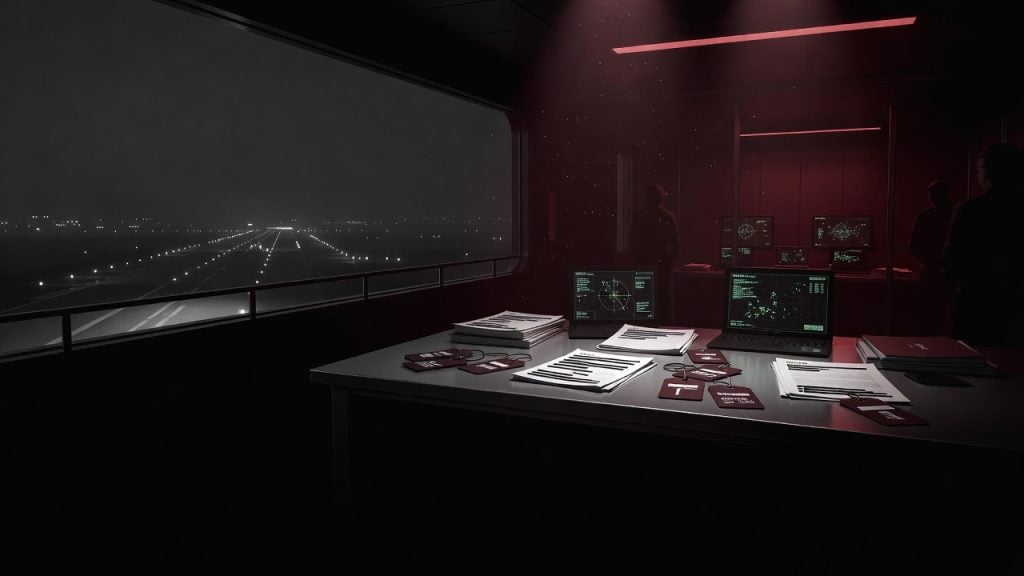
Dark faceless airport observation deck fading into a classified intelligence room with radar screens, redacted dossiers, maroon evidence tags, and ominous crimson lighting symbolizing the evidence degradation conspiracy — ConspiracyRealist.com

The Evidence Degradation Conspiracy: How Missing Metadata, Classified Sensors, and Viral Compression Turn UAP Incidents Into Permanent Doubt

A light drops out of the clouds, a cockpit camera catches a blur, a phone clip rockets across the internet, and by sunrise the most important details are already gone. Time stamps vanish. Compression smears the edges. The clearest sensor feeds never leave secure channels. That is the cinematic core of the evidence degradation conspiracy: the mystery reaches the public only after the best context has been stripped away.

The Case For

The UAP story keeps arriving in a wounded form

NASA’s 2023 independent study report says UAP analysis is limited less by the lack of analytic techniques than by the quality of the data. The report points to poor sensor calibration, missing metadata, weak curation, and the absence of a standardized civilian reporting system. That matters because metadata is what lets investigators reconstruct where an object was, when it was seen, what weather existed, and whether another sensor corroborated the event. Without that frame, even a startling image becomes a floating anecdote.

NASA also emphasized that most civilian sightings come from devices and platforms built for sharing, not disciplined evidence preservation. Public clips can be compressed, reframed, stripped of context, and detached from the witness before any trained analyst touches them. The result is a strange pipeline in which the public sees the phenomenon mostly through damaged fragments.

AARO’s FY24 annual report gives that weakness a bureaucratic shape. It says AARO received 757 reports during the covered period, but 444 lacked enough data for analysis and were placed into the Active Archive. It also says AARO’s ability to resolve cases remains constrained by a lack of timely and actionable sensor data. The official office charged with sorting the mystery is openly saying the evidence supply chain often arrives too broken to settle much of anything.

Then comes the most unsettling asymmetry in the report: AARO says it did not receive any UAP reports collected through national GEOINT, SIGINT, or MASINT platforms during the reporting period. So the public argues over low-grade clips while the most sensitive national technical systems are largely absent from the public-facing annual picture. That gap is where the conspiracy frame takes hold.

The public sphere and the official sphere do not see the same case file

In the 2021 ODNI preliminary assessment, officials said the dataset was limited primarily to U.S. government reporting and that reporting limitations hindered conclusions. That already created a split world. The public sphere fills with clips, rumors, and arguments; the official sphere depends on narrower institutional channels. Our recent coverage of the sensor gatekeeping conspiracy and the civilian reporting vacuum conspiracy shows how those channels privilege classified sensors and insider intake paths. Evidence degradation is what the rest of us inherit downstream.

During the 2023 House hearing on UAP transparency and national security, Ryan Graves warned that sightings are routine and underreported, while stigma and classification distort the picture. A report that stays secret, a video kept classified, or a file released years later into a giant archive all produce the same practical result: the public fights over fragments while decisive context sits elsewhere.

The Realist’s Eye

Evidence degradation does not prove aliens, but it does manufacture permanent ambiguity

A sober view is essential. Most blurry clips are probably not hidden wonders. Some are balloons, satellites, aircraft, lens artifacts, or bad perspective. Investigators are right to demand chain of custody, corroborating sensors, and disciplined collection standards. The realist point is not that every weak video hides a revelation. It is that a weak evidence environment predictably produces endless uncertainty, and uncertainty is the perfect habitat for both genuine anomalies and institutional narrative control.

If extraordinary incidents are born in fragmented civilian channels, compressed by platforms, stripped of metadata, and then compared against classified collections the public never sees, the debate can never truly close. Skeptics can point to poor quality. Believers can point to hidden context. Officials can say more study is needed. The evidentiary gap keeps the whole story suspended.

The darker suspicion is that ambiguity is not merely tolerated but useful

The National Archives’ UAP Records Collection FAQ says agencies are transferring records to Record Group 615 on a rolling basis for public release. That is real transparency in one sense, but archives arrive after collection, review, redaction, and classification have already shaped the record. Our coverage of the active archive conspiracy lives in that gray zone: what reaches the public may be genuine, but still detached from the cleanest context.

No public document says agencies intentionally ruin evidence. The darker pattern is more systemic than theatrical: public intake is weak, the best sensors are compartmented, classification withholds key layers, and viral media habits shred context before preservation begins. No single villain is required for that outcome to serve secrecy. In practical terms, the public gets enough mystery to stay fascinated, but not enough intact evidence to force a final reckoning.

What We Know For Certain

  • NASA’s 2023 UAP study said analysis is limited more by poor-quality data than by a lack of analytic tools.
  • The same NASA report highlighted poor sensor calibration, missing metadata, weak curation, and the lack of a standardized civilian reporting system.
  • AARO’s FY24 annual report said it received 757 reports in the covered period and placed 444 cases into the Active Archive because they lacked enough data for analysis.
  • AARO also said its ability to resolve cases remains constrained by a lack of timely and actionable sensor data.
  • The ODNI’s 2021 preliminary assessment said the dataset was limited primarily to U.S. government reporting and that reporting limitations hampered conclusions.
  • The National Archives says UAP records are being transferred to Record Group 615 on a rolling basis for public release.

The Unanswered Questions

  • How many potentially strong UAP cases become weak cases because metadata and chain of custody collapse at the moment of capture?
  • How often do classified sensor systems hold the missing context that would rapidly downgrade or strengthen a public case?
  • Is the public seeing the phenomenon itself, or mainly the damaged residue left after compression, stigma, and compartmentation do their work?
  • Can a rolling archive ever produce real clarity if the cleanest evidence remains separated from public releases and the intake pipeline stays broken?

The Closer — You Decide

Maybe the evidence degradation conspiracy is just the cost of modern life: billions of cameras, weak reporting habits, and institutions moving slower than the internet. But there is a more unsettling interpretation. The mystery is not merely hidden. It is processed into a form that cannot quite convict, cannot quite disappear, and cannot quite be resolved.

That is why every new clip seems to restart the same war. One side sees another blur and shrugs. The other sees another blur and imagines the missing layers that never reached daylight. Between them stands a system that keeps the sharpest context behind stronger doors. In that world, the real cover-up may not be a single buried file. It may be the ongoing degradation of evidence itself—just enough loss, at every stage, to keep the truth forever out of reach.

dive down the rabbit hole

The Evidence Degradation Conspiracy: How Missing Metadata, Classified Sensors, and Viral Compression Turn UAP Incidents Into Permanent Doubt

S-FX.com
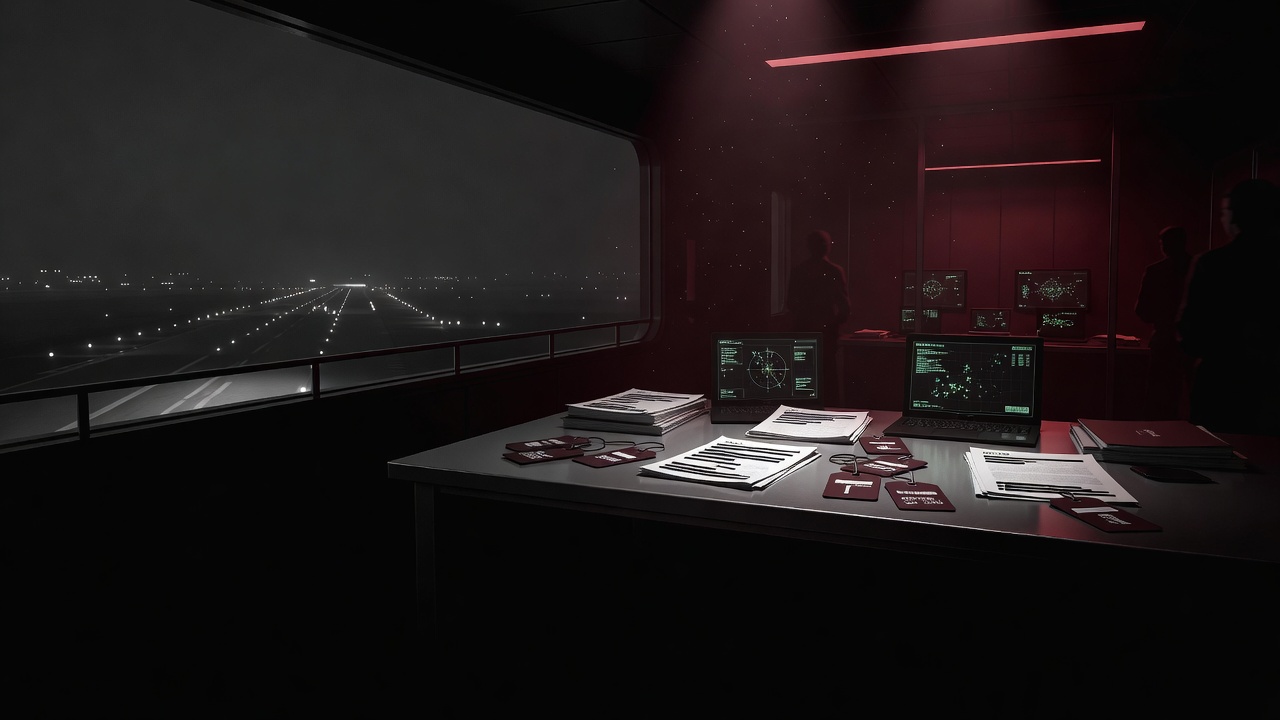
Dark faceless airport observation deck fading into a classified intelligence room with radar screens, redacted dossiers, maroon evidence tags, and ominous crimson lighting symbolizing the evidence degradation conspiracy — ConspiracyRealist.com

The Evidence Degradation Conspiracy: How Missing Metadata, Classified Sensors, and Viral Compression Turn UAP Incidents Into Permanent Doubt

A light drops out of the clouds, a cockpit camera catches a blur, a phone clip rockets across the internet, and by sunrise the most important details are already gone. Time stamps vanish. Compression smears the edges. The clearest sensor feeds never leave secure channels. That is the cinematic core of the evidence degradation conspiracy: the mystery reaches the public only after the best context has been stripped away.

The Case For

The UAP story keeps arriving in a wounded form

NASA’s 2023 independent study report says UAP analysis is limited less by the lack of analytic techniques than by the quality of the data. The report points to poor sensor calibration, missing metadata, weak curation, and the absence of a standardized civilian reporting system. That matters because metadata is what lets investigators reconstruct where an object was, when it was seen, what weather existed, and whether another sensor corroborated the event. Without that frame, even a startling image becomes a floating anecdote.

NASA also emphasized that most civilian sightings come from devices and platforms built for sharing, not disciplined evidence preservation. Public clips can be compressed, reframed, stripped of context, and detached from the witness before any trained analyst touches them. The result is a strange pipeline in which the public sees the phenomenon mostly through damaged fragments.

AARO’s FY24 annual report gives that weakness a bureaucratic shape. It says AARO received 757 reports during the covered period, but 444 lacked enough data for analysis and were placed into the Active Archive. It also says AARO’s ability to resolve cases remains constrained by a lack of timely and actionable sensor data. The official office charged with sorting the mystery is openly saying the evidence supply chain often arrives too broken to settle much of anything.

Then comes the most unsettling asymmetry in the report: AARO says it did not receive any UAP reports collected through national GEOINT, SIGINT, or MASINT platforms during the reporting period. So the public argues over low-grade clips while the most sensitive national technical systems are largely absent from the public-facing annual picture. That gap is where the conspiracy frame takes hold.

The public sphere and the official sphere do not see the same case file

In the 2021 ODNI preliminary assessment, officials said the dataset was limited primarily to U.S. government reporting and that reporting limitations hindered conclusions. That already created a split world. The public sphere fills with clips, rumors, and arguments; the official sphere depends on narrower institutional channels. Our recent coverage of the sensor gatekeeping conspiracy and the civilian reporting vacuum conspiracy shows how those channels privilege classified sensors and insider intake paths. Evidence degradation is what the rest of us inherit downstream.

During the 2023 House hearing on UAP transparency and national security, Ryan Graves warned that sightings are routine and underreported, while stigma and classification distort the picture. A report that stays secret, a video kept classified, or a file released years later into a giant archive all produce the same practical result: the public fights over fragments while decisive context sits elsewhere.

The Realist’s Eye

Evidence degradation does not prove aliens, but it does manufacture permanent ambiguity

A sober view is essential. Most blurry clips are probably not hidden wonders. Some are balloons, satellites, aircraft, lens artifacts, or bad perspective. Investigators are right to demand chain of custody, corroborating sensors, and disciplined collection standards. The realist point is not that every weak video hides a revelation. It is that a weak evidence environment predictably produces endless uncertainty, and uncertainty is the perfect habitat for both genuine anomalies and institutional narrative control.

If extraordinary incidents are born in fragmented civilian channels, compressed by platforms, stripped of metadata, and then compared against classified collections the public never sees, the debate can never truly close. Skeptics can point to poor quality. Believers can point to hidden context. Officials can say more study is needed. The evidentiary gap keeps the whole story suspended.

The darker suspicion is that ambiguity is not merely tolerated but useful

The National Archives’ UAP Records Collection FAQ says agencies are transferring records to Record Group 615 on a rolling basis for public release. That is real transparency in one sense, but archives arrive after collection, review, redaction, and classification have already shaped the record. Our coverage of the active archive conspiracy lives in that gray zone: what reaches the public may be genuine, but still detached from the cleanest context.

No public document says agencies intentionally ruin evidence. The darker pattern is more systemic than theatrical: public intake is weak, the best sensors are compartmented, classification withholds key layers, and viral media habits shred context before preservation begins. No single villain is required for that outcome to serve secrecy. In practical terms, the public gets enough mystery to stay fascinated, but not enough intact evidence to force a final reckoning.

What We Know For Certain

  • NASA’s 2023 UAP study said analysis is limited more by poor-quality data than by a lack of analytic tools.
  • The same NASA report highlighted poor sensor calibration, missing metadata, weak curation, and the lack of a standardized civilian reporting system.
  • AARO’s FY24 annual report said it received 757 reports in the covered period and placed 444 cases into the Active Archive because they lacked enough data for analysis.
  • AARO also said its ability to resolve cases remains constrained by a lack of timely and actionable sensor data.
  • The ODNI’s 2021 preliminary assessment said the dataset was limited primarily to U.S. government reporting and that reporting limitations hampered conclusions.
  • The National Archives says UAP records are being transferred to Record Group 615 on a rolling basis for public release.

The Unanswered Questions

  • How many potentially strong UAP cases become weak cases because metadata and chain of custody collapse at the moment of capture?
  • How often do classified sensor systems hold the missing context that would rapidly downgrade or strengthen a public case?
  • Is the public seeing the phenomenon itself, or mainly the damaged residue left after compression, stigma, and compartmentation do their work?
  • Can a rolling archive ever produce real clarity if the cleanest evidence remains separated from public releases and the intake pipeline stays broken?

The Closer — You Decide

Maybe the evidence degradation conspiracy is just the cost of modern life: billions of cameras, weak reporting habits, and institutions moving slower than the internet. But there is a more unsettling interpretation. The mystery is not merely hidden. It is processed into a form that cannot quite convict, cannot quite disappear, and cannot quite be resolved.

That is why every new clip seems to restart the same war. One side sees another blur and shrugs. The other sees another blur and imagines the missing layers that never reached daylight. Between them stands a system that keeps the sharpest context behind stronger doors. In that world, the real cover-up may not be a single buried file. It may be the ongoing degradation of evidence itself—just enough loss, at every stage, to keep the truth forever out of reach.

The Evidence Degradation Conspiracy: How Missing Metadata, Classified Sensors, and Viral Compression Turn UAP Incidents Into Permanent Doubt

Dark faceless airport observation deck fading into a classified intelligence room with radar screens, redacted dossiers, maroon evidence tags, and ominous crimson lighting symbolizing the evidence degradation conspiracy — ConspiracyRealist.com

The Evidence Degradation Conspiracy: How Missing Metadata, Classified Sensors, and Viral Compression Turn UAP Incidents Into Permanent Doubt

A light drops out of the clouds, a cockpit camera catches a blur, a phone clip rockets across the internet, and by sunrise the most important details are already gone. Time stamps vanish. Compression smears the edges. The clearest sensor feeds never leave secure channels. That is the cinematic core of the evidence degradation conspiracy: the mystery reaches the public only after the best context has been stripped away.

The Case For

The UAP story keeps arriving in a wounded form

NASA’s 2023 independent study report says UAP analysis is limited less by the lack of analytic techniques than by the quality of the data. The report points to poor sensor calibration, missing metadata, weak curation, and the absence of a standardized civilian reporting system. That matters because metadata is what lets investigators reconstruct where an object was, when it was seen, what weather existed, and whether another sensor corroborated the event. Without that frame, even a startling image becomes a floating anecdote.

NASA also emphasized that most civilian sightings come from devices and platforms built for sharing, not disciplined evidence preservation. Public clips can be compressed, reframed, stripped of context, and detached from the witness before any trained analyst touches them. The result is a strange pipeline in which the public sees the phenomenon mostly through damaged fragments.

AARO’s FY24 annual report gives that weakness a bureaucratic shape. It says AARO received 757 reports during the covered period, but 444 lacked enough data for analysis and were placed into the Active Archive. It also says AARO’s ability to resolve cases remains constrained by a lack of timely and actionable sensor data. The official office charged with sorting the mystery is openly saying the evidence supply chain often arrives too broken to settle much of anything.

Then comes the most unsettling asymmetry in the report: AARO says it did not receive any UAP reports collected through national GEOINT, SIGINT, or MASINT platforms during the reporting period. So the public argues over low-grade clips while the most sensitive national technical systems are largely absent from the public-facing annual picture. That gap is where the conspiracy frame takes hold.

The public sphere and the official sphere do not see the same case file

In the 2021 ODNI preliminary assessment, officials said the dataset was limited primarily to U.S. government reporting and that reporting limitations hindered conclusions. That already created a split world. The public sphere fills with clips, rumors, and arguments; the official sphere depends on narrower institutional channels. Our recent coverage of the sensor gatekeeping conspiracy and the civilian reporting vacuum conspiracy shows how those channels privilege classified sensors and insider intake paths. Evidence degradation is what the rest of us inherit downstream.

During the 2023 House hearing on UAP transparency and national security, Ryan Graves warned that sightings are routine and underreported, while stigma and classification distort the picture. A report that stays secret, a video kept classified, or a file released years later into a giant archive all produce the same practical result: the public fights over fragments while decisive context sits elsewhere.

The Realist’s Eye

Evidence degradation does not prove aliens, but it does manufacture permanent ambiguity

A sober view is essential. Most blurry clips are probably not hidden wonders. Some are balloons, satellites, aircraft, lens artifacts, or bad perspective. Investigators are right to demand chain of custody, corroborating sensors, and disciplined collection standards. The realist point is not that every weak video hides a revelation. It is that a weak evidence environment predictably produces endless uncertainty, and uncertainty is the perfect habitat for both genuine anomalies and institutional narrative control.

If extraordinary incidents are born in fragmented civilian channels, compressed by platforms, stripped of metadata, and then compared against classified collections the public never sees, the debate can never truly close. Skeptics can point to poor quality. Believers can point to hidden context. Officials can say more study is needed. The evidentiary gap keeps the whole story suspended.

The darker suspicion is that ambiguity is not merely tolerated but useful

The National Archives’ UAP Records Collection FAQ says agencies are transferring records to Record Group 615 on a rolling basis for public release. That is real transparency in one sense, but archives arrive after collection, review, redaction, and classification have already shaped the record. Our coverage of the active archive conspiracy lives in that gray zone: what reaches the public may be genuine, but still detached from the cleanest context.

No public document says agencies intentionally ruin evidence. The darker pattern is more systemic than theatrical: public intake is weak, the best sensors are compartmented, classification withholds key layers, and viral media habits shred context before preservation begins. No single villain is required for that outcome to serve secrecy. In practical terms, the public gets enough mystery to stay fascinated, but not enough intact evidence to force a final reckoning.

What We Know For Certain

  • NASA’s 2023 UAP study said analysis is limited more by poor-quality data than by a lack of analytic tools.
  • The same NASA report highlighted poor sensor calibration, missing metadata, weak curation, and the lack of a standardized civilian reporting system.
  • AARO’s FY24 annual report said it received 757 reports in the covered period and placed 444 cases into the Active Archive because they lacked enough data for analysis.
  • AARO also said its ability to resolve cases remains constrained by a lack of timely and actionable sensor data.
  • The ODNI’s 2021 preliminary assessment said the dataset was limited primarily to U.S. government reporting and that reporting limitations hampered conclusions.
  • The National Archives says UAP records are being transferred to Record Group 615 on a rolling basis for public release.

The Unanswered Questions

  • How many potentially strong UAP cases become weak cases because metadata and chain of custody collapse at the moment of capture?
  • How often do classified sensor systems hold the missing context that would rapidly downgrade or strengthen a public case?
  • Is the public seeing the phenomenon itself, or mainly the damaged residue left after compression, stigma, and compartmentation do their work?
  • Can a rolling archive ever produce real clarity if the cleanest evidence remains separated from public releases and the intake pipeline stays broken?

The Closer — You Decide

Maybe the evidence degradation conspiracy is just the cost of modern life: billions of cameras, weak reporting habits, and institutions moving slower than the internet. But there is a more unsettling interpretation. The mystery is not merely hidden. It is processed into a form that cannot quite convict, cannot quite disappear, and cannot quite be resolved.

That is why every new clip seems to restart the same war. One side sees another blur and shrugs. The other sees another blur and imagines the missing layers that never reached daylight. Between them stands a system that keeps the sharpest context behind stronger doors. In that world, the real cover-up may not be a single buried file. It may be the ongoing degradation of evidence itself—just enough loss, at every stage, to keep the truth forever out of reach.

Table of contents