The 2001 BWC Draft Protocol: Inside the Inspection Plan
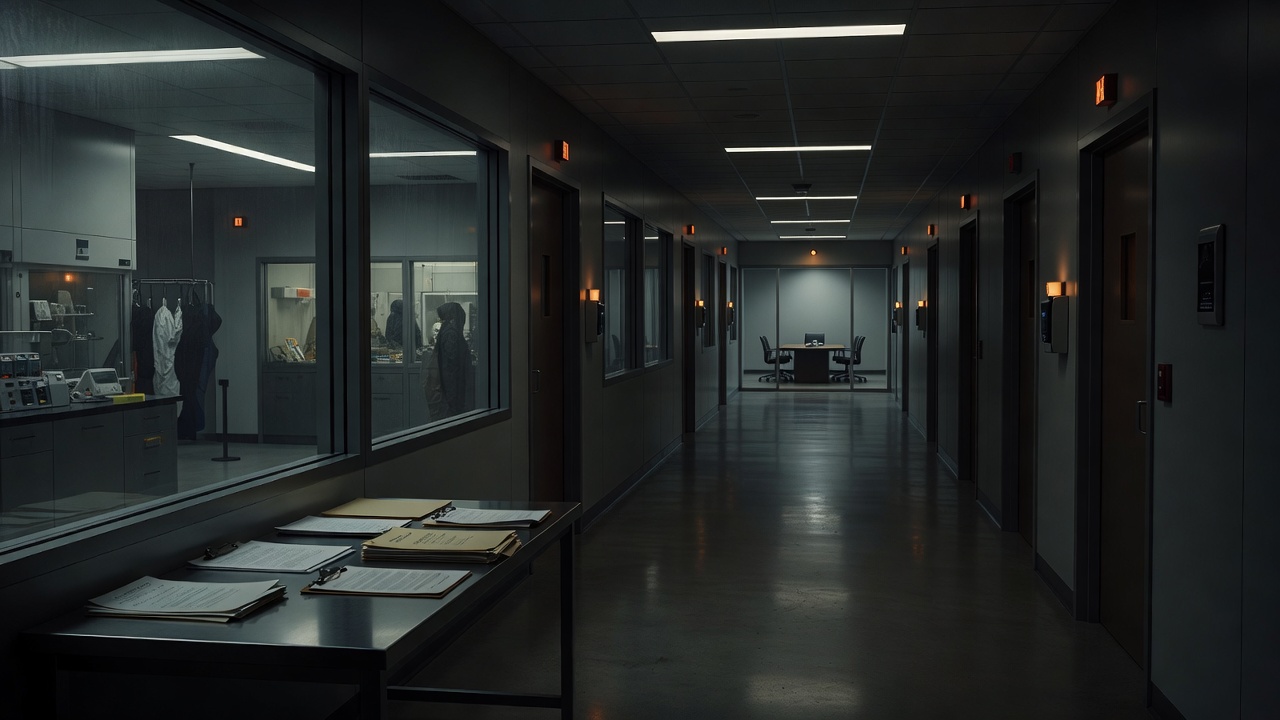
By the spring of 2001, the nightmare had finally been given a floor plan. Not a smoking lab. A document. Clauses, annexes, and procedural language trying to answer one of modern arms control’s darkest questions: if a nation can hide a weapons program inside a vaccine plant, how do you inspect the difference? In Geneva, diplomats were no longer speaking in abstractions. They were sketching visitor notices, declaration formats, confidentiality rules, and the boundaries of future searches. For one brief moment, bioweapons oversight looked less like a slogan and more like an operating manual.
The Case For
This was not a vague dream. It was a near-blueprint.
The core reason the 2001 draft protocol still matters is simple: it showed what real enforcement for the Biological Weapons Convention might actually have looked like. The treaty itself banned biological weapons, but it never created a standing inspectorate with the kind of muscle later associated with chemical weapons. That weakness had already been acknowledged in the early 1990s. The official VEREX report — BWC/CONF.III/VEREX/9 — concluded that experts had identified 21 potential verification measures and that some of them, especially in combination, could strengthen the convention and improve implementation.
By 2001, those ideas had been translated into machinery. The chairman’s technically corrected composite text, BWC/AD HOC GROUP/CRP.8, laid out a system built on declarations, follow-up procedures, transparency visits, voluntary clarification visits, and investigations. That is the crucial shift. The conversation had moved from “should we verify?” to “how many days of notice, what records, what limits, what access?” In the broader history of government secrecy and black-site oversight, that is the moment the paperwork starts looking dangerous to anyone who prefers ambiguity.
The inspection idea was more detailed than many people remember
The draft protocol envisioned states declaring treaty-relevant facilities and activities. It also described randomly selected transparency visits to declared sites and formal investigations when a state party raised a specific concern about possible non-compliance. Arms Control Association notes that the protocol envisioned declarations to an international body, routine on-site visits to declared facilities, and challenge-style inspections of suspect facilities and activities. The official Ad Hoc Group report from 2001 adds that Chairman Tibor Tóth introduced the composite text as a compromise package on definitions, declarations, follow-up, and investigations, built on the rolling text states had fought over for years.
That matters because it punctures a common myth: that the BWC never got past hand-wringing. It did. The draft text had appendices for declaration formats, confidentiality provisions, and language allowing inspectors to seek clarification for the presence of biological materials at a facility. It defined who counted as the receiving state, what a final perimeter meant during an investigation, and how information marked as commercial proprietary or national-security sensitive had to be handled.
If it had survived, it could have changed how biology was policed
This is where the conspiracy lens sharpens. A functioning protocol would have created friction. Governments would have had to file information, accept structured scrutiny, and justify suspicious gaps between declared activity and what inspectors saw. Industries working near the edge of dual-use biology would have faced an international compliance culture instead of a treaty built mostly on trust. That is why the lost draft still shadows later stories like the collapse of the BWC verification protocol. Once you read the text, the failure stops looking abstract. You can see the bones of the system that never arrived.
The Realist’s Eye
The protocol was ambitious, but it did not solve biology’s deepest problem
The realist check begins with the VEREX record itself. The same official report that found value in verification also warned that no single measure could conclusively distinguish prohibited activity from permitted activity. Biology is hard that way. A fermenter can support vaccines, biodefense, or weaponization. Samples, audits, and visits can narrow suspicion, but they do not read intent like a mind-control machine. Even measures in combination improved confidence rather than delivering perfect certainty.
The draft protocol also tried to reassure governments and companies that sensitive information would be protected. CRP.8 repeatedly emphasizes confidentiality rules and limits inspectors to information necessary for their mandates. But that was exactly where the fight intensified. In July 2001 congressional testimony, U.S. officials argued that a protocol should add transparency and confidence without harming national security or exposing vulnerabilities. Critics also worried that declared biodefense work, facility identities, or proprietary industrial processes could become a map for competitors, spies, or proliferators.
The collapse was political, but the technical objections were not fake
That does not make every objection noble, and it definitely does not make every holdout innocent. But it does mean the strongest counterargument is grounded in reality. The same system that might have exposed suspicious programs also risked producing paperwork without proof, intrusion without certainty, and endless disputes over what inspectors should be allowed to see. Arms Control Association notes that the United States rejected the draft in July 2001, arguing that it would do little to strengthen compliance while threatening national-security and commercial interests. Whether that was prudence, protectionism, or both depends on where you stand. But the concern itself was not invented from thin air.
So the realist conclusion is not that the protocol was secretly perfect and deliberately buried by a single hidden hand. It is that the text came closer to real oversight than the public memory usually admits, yet still ran straight into the ugly truth of dual-use science: the most dangerous facilities often resemble legitimate ones. That makes biology a paradise for secrecy and a nightmare for inspectors.
What We Know For Certain
- The official VEREX process identified 21 potential verification measures and concluded that some could strengthen the Biological Weapons Convention.
- The 2001 composite text, BWC/AD HOC GROUP/CRP.8, contained detailed provisions on declarations, visits, investigations, and confidentiality.
- The Ad Hoc Group’s 2001 report says the chairman presented the composite text as compromise language on outstanding issues drawn from the rolling text.
- The proposed regime included declared-facility visits and formal investigations of specific compliance concerns.
- The United States rejected the draft protocol in July 2001, and the negotiations collapsed soon after.
The Unanswered Questions
- Which parts of the 2001 draft could still work in a biotech world dominated by private firms, synthetic biology, and global supply chains?
- How much of the resistance was really about technical weakness, and how much was about preserving secrecy around biodefense and industry?
- Would routine transparency visits have deterred covert programs, or merely pushed them deeper into undeclared spaces?
- What would a modern version of CRP.8 need to inspect without becoming a blueprint for espionage?
The Closer — You Decide
The eerie part of this story is not that the world failed to imagine a control system. It did imagine one. It named the forms, the visits, the triggers, the confidentiality rules, even perimeter lines around a suspect site. Then it stepped back. The files are real. The architecture was real. And the gap it tried to close is still with us. Maybe the draft was flawed. Maybe it threatened too much. Maybe it threatened enough. The evidence is on the table. You decide.