Menu

Managed Access: The BWC’s Inspection Fault Line

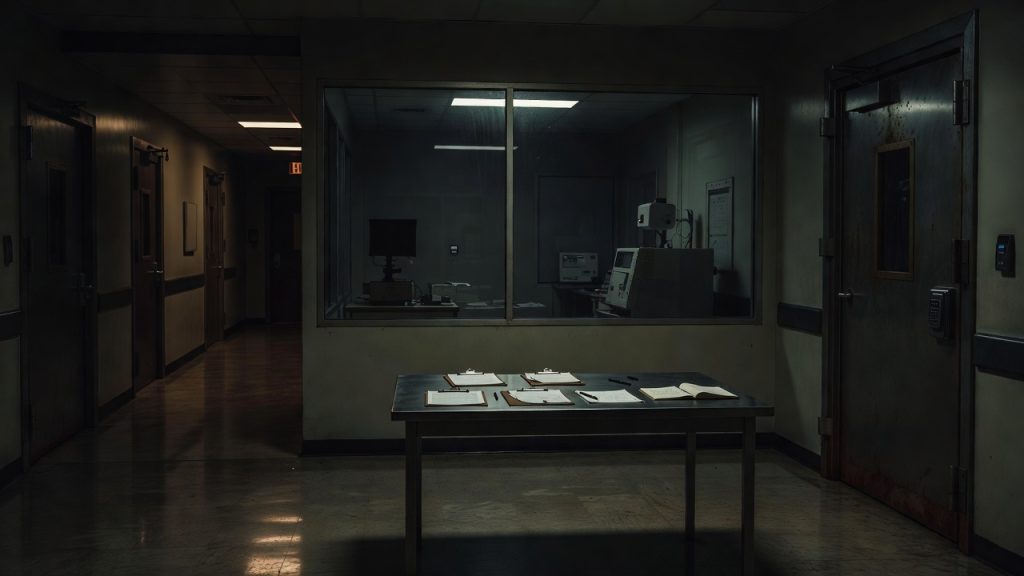
High-security biolab corridor representing BWC managed access inspections — ConspiracyRealist.com

Managed Access: The BWC’s Inspection Fault Line

Somewhere between the stainless-steel door and the classified filing cabinet, biological arms control nearly got negotiated away. The fight over bioweapons verification had stopped being philosophical. It had become architectural. How close could inspectors get to the machines, records, and rooms that might reveal a covert program without turning the visit itself into state-sanctioned espionage? That question sat at the heart of a consequential compromise the Biological Weapons Convention almost adopted — and then lost.

The Case For

Managed access was the hinge that might have made inspections politically possible

The conspiracy-minded reading begins with a plain fact: governments already knew the BWC was too weak to rely on trust alone. The official VEREX final report, BWC/CONF.III/VEREX/9, said the expert group had identified 21 potential verification measures and concluded that some of them would strengthen the convention and improve its implementation. The next move was the Ad Hoc Group process that tried to turn those ideas into treaty machinery.

By the time Chairman Tibor Tóth introduced the 2001 composite text, BWC/AD HOC GROUP/CRP.8, the draft had moved well beyond slogans about transparency. Article 1 did something revealing right at the front: it explicitly said states had the right to protect commercial proprietary information and national-security information, but that this right could not be used to conceal treaty evasion. It also said protocol measures had to be carried out in “the least intrusive manner” consistent with their purpose. That was not decorative language. It was the legal DNA of managed access.

The draft did not promise inspectors everything. It promised structured friction.

CRP.8 laid out what a visited or investigated state could do when outsiders arrived. In visits and investigations, a government could remove sensitive papers, shroud displays and equipment, limit the viewing angle, restrict the number of team members entering certain spaces, and provide alternative means to demonstrate compliance. But the text also imposed a counter-obligation: the state was supposed to provide the greatest degree of access possible and make every reasonable effort to show compliance. In other words, managed access was designed as a narrow bridge between two fears — the fear of secret weapons work and the fear of giving foreign teams a guided tour of biodefense vulnerabilities or industrial trade secrets.

That balance matters because it answers a question critics sometimes glide past: why would any advanced biotech state agree to inspections at all without some way to shield genuinely sensitive operations? Arms Control Association’s BWC overview notes that the proposed regime envisioned declarations to an international body, routine on-site visits to declared facilities, and challenge-style inspections of suspect facilities and activities. Those mechanisms were never going to survive politically if every visit meant open drawers, unrestricted cameras, and free access to proprietary processes.

Seen from that angle, managed access was not a loophole. It was the price of entry — and the BWC draft tried to write those protective walls into law without letting them become a hiding place.

The Realist’s Eye

The same compromise that made inspections possible also risked making them toothless

This is where the realist has to slow down. Managed access sounds reasonable until you ask the obvious follow-up: if the inspected party controls the viewing angle, covers equipment, removes records, narrows the team, and substitutes alternative demonstrations, how much confidence is really left? The 2001 draft itself shows the tension. It gave the receiving state the right to protect confidential information and national-security interests during investigations. It even listed specific masking tactics. At the same time, it told the investigation team to begin with the least intrusive procedures and escalate only as needed. That may be prudent diplomacy. It is also exactly the kind of system a determined cheater might learn to game.

The technical problem underneath the politics never went away. Biology is dual-use almost by nature. A fermenter can support vaccines, defensive preparedness, or something darker. So even a perfectly honest inspection regime would struggle. A constrained inspection regime, wrapped in managed access rules, might produce process without certainty.

Washington’s objections were self-interested, but they were not imaginary

That is why the U.S. rejection in 2001 hit so hard. In the State Department archive of Donald Mahley’s July 25 statement, Washington said the protocol would “not improve our ability to verify compliance” and would put “national security and confidential business information at risk.” The broader official and policy literature made a similar point: inspections weak enough to protect secrets might be too weak to expose violations, while inspections strong enough to expose violations might expose too many secrets. Even Arms Control Association’s summary acknowledges that disputes over the scope of on-site visits and export controls became fundamental obstacles.

None of that proves the United States acted in good faith. A realist can still suspect that secrecy was being protected more aggressively than accountability. But the available record does not support the simpler myth that managed access would have solved everything if only one villain had not intervened. The uglier truth is that the compromise sat on a razor’s edge from the start. Too intrusive, and advanced states revolt. Too deferential, and violators breathe easy.

That is what makes managed access the real fault line. It was not a side argument. It was the place where the treaty had to decide whether verification meant trust-building, evidence-gathering, or theater. The answer never fully arrived.

For readers tracing this wider treaty collapse, the best companion is our earlier look at the 2001 BWC draft protocol itself, because managed access was the mechanism most likely to decide whether that blueprint could ever function in the wild.

What We Know For Certain

  • VEREX identified 21 potential verification measures and concluded that some could strengthen the BWC.
  • CRP.8 explicitly protected commercial proprietary and national-security information while forbidding states to use that protection to conceal evasion.
  • The draft required protocol measures to be carried out in the least intrusive manner consistent with their objectives.
  • The investigation provisions allowed masking tactics such as shrouding equipment, limiting viewing angles, and restricting access, while also requiring alternative means to demonstrate compliance.
  • The United States publicly rejected the draft in July 2001, citing weak verification value and risks to confidential information.

The Unanswered Questions

  • Would managed access have created enough real pressure to deter a covert biological weapons program?
  • How much access is truly necessary to distinguish biodefense from prohibited work inside modern biotech facilities?
  • Can any inspection system protect trade secrets without giving determined violators a ready-made playbook for concealment?
  • Did the failure of the 2001 protocol teach future negotiators that biology is politically uninspectable, even when documents say otherwise?

The Closer — You Decide

Sometimes a treaty does not break on the headline issue. It breaks on the door handle. On who gets in, who stands back, what gets covered, and what counts as enough to trust. The BWC’s lost protocol tried to build a world where inspectors could enter the room without seeing too much — and still see enough. The documents are real. The compromise was real. So is the possibility that the line between inspection and theater was never solved at all. The evidence is on the table. You decide.

dive down the rabbit hole

Managed Access: The BWC’s Inspection Fault Line

S-FX.com
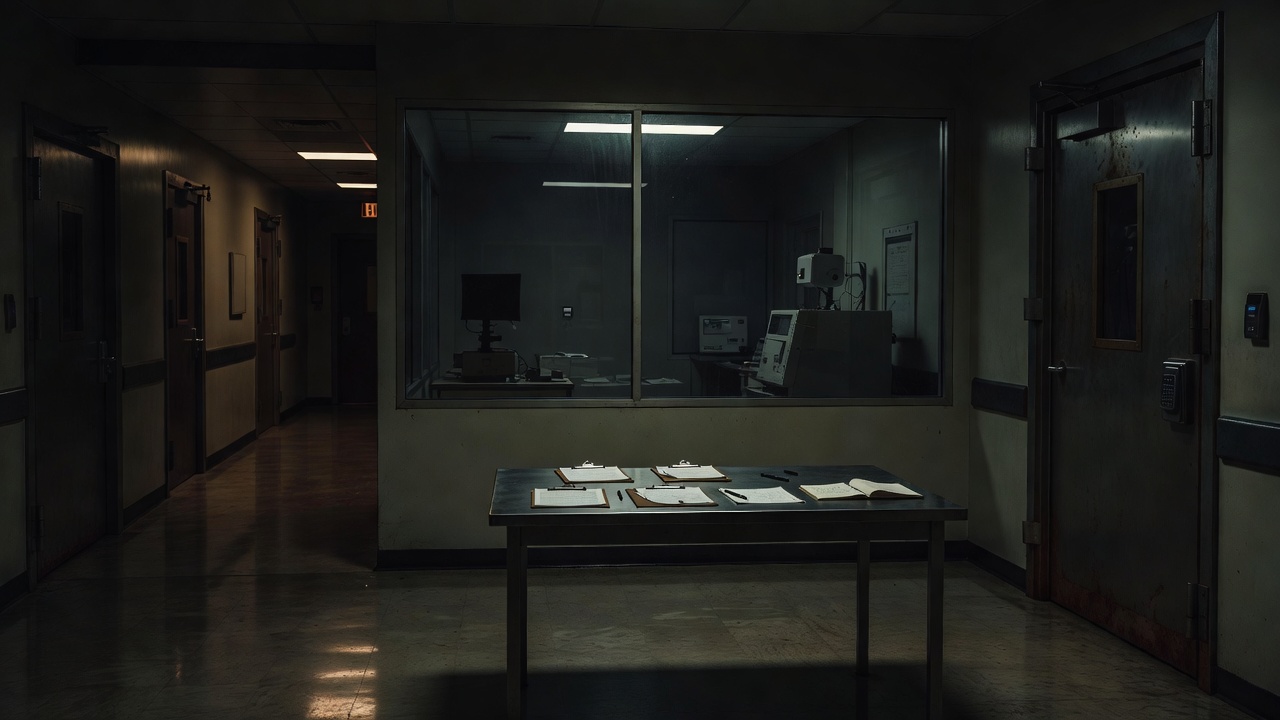
High-security biolab corridor representing BWC managed access inspections — ConspiracyRealist.com

Managed Access: The BWC’s Inspection Fault Line

Somewhere between the stainless-steel door and the classified filing cabinet, biological arms control nearly got negotiated away. The fight over bioweapons verification had stopped being philosophical. It had become architectural. How close could inspectors get to the machines, records, and rooms that might reveal a covert program without turning the visit itself into state-sanctioned espionage? That question sat at the heart of a consequential compromise the Biological Weapons Convention almost adopted — and then lost.

The Case For

Managed access was the hinge that might have made inspections politically possible

The conspiracy-minded reading begins with a plain fact: governments already knew the BWC was too weak to rely on trust alone. The official VEREX final report, BWC/CONF.III/VEREX/9, said the expert group had identified 21 potential verification measures and concluded that some of them would strengthen the convention and improve its implementation. The next move was the Ad Hoc Group process that tried to turn those ideas into treaty machinery.

By the time Chairman Tibor Tóth introduced the 2001 composite text, BWC/AD HOC GROUP/CRP.8, the draft had moved well beyond slogans about transparency. Article 1 did something revealing right at the front: it explicitly said states had the right to protect commercial proprietary information and national-security information, but that this right could not be used to conceal treaty evasion. It also said protocol measures had to be carried out in “the least intrusive manner” consistent with their purpose. That was not decorative language. It was the legal DNA of managed access.

The draft did not promise inspectors everything. It promised structured friction.

CRP.8 laid out what a visited or investigated state could do when outsiders arrived. In visits and investigations, a government could remove sensitive papers, shroud displays and equipment, limit the viewing angle, restrict the number of team members entering certain spaces, and provide alternative means to demonstrate compliance. But the text also imposed a counter-obligation: the state was supposed to provide the greatest degree of access possible and make every reasonable effort to show compliance. In other words, managed access was designed as a narrow bridge between two fears — the fear of secret weapons work and the fear of giving foreign teams a guided tour of biodefense vulnerabilities or industrial trade secrets.

That balance matters because it answers a question critics sometimes glide past: why would any advanced biotech state agree to inspections at all without some way to shield genuinely sensitive operations? Arms Control Association’s BWC overview notes that the proposed regime envisioned declarations to an international body, routine on-site visits to declared facilities, and challenge-style inspections of suspect facilities and activities. Those mechanisms were never going to survive politically if every visit meant open drawers, unrestricted cameras, and free access to proprietary processes.

Seen from that angle, managed access was not a loophole. It was the price of entry — and the BWC draft tried to write those protective walls into law without letting them become a hiding place.

The Realist’s Eye

The same compromise that made inspections possible also risked making them toothless

This is where the realist has to slow down. Managed access sounds reasonable until you ask the obvious follow-up: if the inspected party controls the viewing angle, covers equipment, removes records, narrows the team, and substitutes alternative demonstrations, how much confidence is really left? The 2001 draft itself shows the tension. It gave the receiving state the right to protect confidential information and national-security interests during investigations. It even listed specific masking tactics. At the same time, it told the investigation team to begin with the least intrusive procedures and escalate only as needed. That may be prudent diplomacy. It is also exactly the kind of system a determined cheater might learn to game.

The technical problem underneath the politics never went away. Biology is dual-use almost by nature. A fermenter can support vaccines, defensive preparedness, or something darker. So even a perfectly honest inspection regime would struggle. A constrained inspection regime, wrapped in managed access rules, might produce process without certainty.

Washington’s objections were self-interested, but they were not imaginary

That is why the U.S. rejection in 2001 hit so hard. In the State Department archive of Donald Mahley’s July 25 statement, Washington said the protocol would “not improve our ability to verify compliance” and would put “national security and confidential business information at risk.” The broader official and policy literature made a similar point: inspections weak enough to protect secrets might be too weak to expose violations, while inspections strong enough to expose violations might expose too many secrets. Even Arms Control Association’s summary acknowledges that disputes over the scope of on-site visits and export controls became fundamental obstacles.

None of that proves the United States acted in good faith. A realist can still suspect that secrecy was being protected more aggressively than accountability. But the available record does not support the simpler myth that managed access would have solved everything if only one villain had not intervened. The uglier truth is that the compromise sat on a razor’s edge from the start. Too intrusive, and advanced states revolt. Too deferential, and violators breathe easy.

That is what makes managed access the real fault line. It was not a side argument. It was the place where the treaty had to decide whether verification meant trust-building, evidence-gathering, or theater. The answer never fully arrived.

For readers tracing this wider treaty collapse, the best companion is our earlier look at the 2001 BWC draft protocol itself, because managed access was the mechanism most likely to decide whether that blueprint could ever function in the wild.

What We Know For Certain

  • VEREX identified 21 potential verification measures and concluded that some could strengthen the BWC.
  • CRP.8 explicitly protected commercial proprietary and national-security information while forbidding states to use that protection to conceal evasion.
  • The draft required protocol measures to be carried out in the least intrusive manner consistent with their objectives.
  • The investigation provisions allowed masking tactics such as shrouding equipment, limiting viewing angles, and restricting access, while also requiring alternative means to demonstrate compliance.
  • The United States publicly rejected the draft in July 2001, citing weak verification value and risks to confidential information.

The Unanswered Questions

  • Would managed access have created enough real pressure to deter a covert biological weapons program?
  • How much access is truly necessary to distinguish biodefense from prohibited work inside modern biotech facilities?
  • Can any inspection system protect trade secrets without giving determined violators a ready-made playbook for concealment?
  • Did the failure of the 2001 protocol teach future negotiators that biology is politically uninspectable, even when documents say otherwise?

The Closer — You Decide

Sometimes a treaty does not break on the headline issue. It breaks on the door handle. On who gets in, who stands back, what gets covered, and what counts as enough to trust. The BWC’s lost protocol tried to build a world where inspectors could enter the room without seeing too much — and still see enough. The documents are real. The compromise was real. So is the possibility that the line between inspection and theater was never solved at all. The evidence is on the table. You decide.

Managed Access: The BWC’s Inspection Fault Line

High-security biolab corridor representing BWC managed access inspections — ConspiracyRealist.com

Managed Access: The BWC’s Inspection Fault Line

Somewhere between the stainless-steel door and the classified filing cabinet, biological arms control nearly got negotiated away. The fight over bioweapons verification had stopped being philosophical. It had become architectural. How close could inspectors get to the machines, records, and rooms that might reveal a covert program without turning the visit itself into state-sanctioned espionage? That question sat at the heart of a consequential compromise the Biological Weapons Convention almost adopted — and then lost.

The Case For

Managed access was the hinge that might have made inspections politically possible

The conspiracy-minded reading begins with a plain fact: governments already knew the BWC was too weak to rely on trust alone. The official VEREX final report, BWC/CONF.III/VEREX/9, said the expert group had identified 21 potential verification measures and concluded that some of them would strengthen the convention and improve its implementation. The next move was the Ad Hoc Group process that tried to turn those ideas into treaty machinery.

By the time Chairman Tibor Tóth introduced the 2001 composite text, BWC/AD HOC GROUP/CRP.8, the draft had moved well beyond slogans about transparency. Article 1 did something revealing right at the front: it explicitly said states had the right to protect commercial proprietary information and national-security information, but that this right could not be used to conceal treaty evasion. It also said protocol measures had to be carried out in “the least intrusive manner” consistent with their purpose. That was not decorative language. It was the legal DNA of managed access.

The draft did not promise inspectors everything. It promised structured friction.

CRP.8 laid out what a visited or investigated state could do when outsiders arrived. In visits and investigations, a government could remove sensitive papers, shroud displays and equipment, limit the viewing angle, restrict the number of team members entering certain spaces, and provide alternative means to demonstrate compliance. But the text also imposed a counter-obligation: the state was supposed to provide the greatest degree of access possible and make every reasonable effort to show compliance. In other words, managed access was designed as a narrow bridge between two fears — the fear of secret weapons work and the fear of giving foreign teams a guided tour of biodefense vulnerabilities or industrial trade secrets.

That balance matters because it answers a question critics sometimes glide past: why would any advanced biotech state agree to inspections at all without some way to shield genuinely sensitive operations? Arms Control Association’s BWC overview notes that the proposed regime envisioned declarations to an international body, routine on-site visits to declared facilities, and challenge-style inspections of suspect facilities and activities. Those mechanisms were never going to survive politically if every visit meant open drawers, unrestricted cameras, and free access to proprietary processes.

Seen from that angle, managed access was not a loophole. It was the price of entry — and the BWC draft tried to write those protective walls into law without letting them become a hiding place.

The Realist’s Eye

The same compromise that made inspections possible also risked making them toothless

This is where the realist has to slow down. Managed access sounds reasonable until you ask the obvious follow-up: if the inspected party controls the viewing angle, covers equipment, removes records, narrows the team, and substitutes alternative demonstrations, how much confidence is really left? The 2001 draft itself shows the tension. It gave the receiving state the right to protect confidential information and national-security interests during investigations. It even listed specific masking tactics. At the same time, it told the investigation team to begin with the least intrusive procedures and escalate only as needed. That may be prudent diplomacy. It is also exactly the kind of system a determined cheater might learn to game.

The technical problem underneath the politics never went away. Biology is dual-use almost by nature. A fermenter can support vaccines, defensive preparedness, or something darker. So even a perfectly honest inspection regime would struggle. A constrained inspection regime, wrapped in managed access rules, might produce process without certainty.

Washington’s objections were self-interested, but they were not imaginary

That is why the U.S. rejection in 2001 hit so hard. In the State Department archive of Donald Mahley’s July 25 statement, Washington said the protocol would “not improve our ability to verify compliance” and would put “national security and confidential business information at risk.” The broader official and policy literature made a similar point: inspections weak enough to protect secrets might be too weak to expose violations, while inspections strong enough to expose violations might expose too many secrets. Even Arms Control Association’s summary acknowledges that disputes over the scope of on-site visits and export controls became fundamental obstacles.

None of that proves the United States acted in good faith. A realist can still suspect that secrecy was being protected more aggressively than accountability. But the available record does not support the simpler myth that managed access would have solved everything if only one villain had not intervened. The uglier truth is that the compromise sat on a razor’s edge from the start. Too intrusive, and advanced states revolt. Too deferential, and violators breathe easy.

That is what makes managed access the real fault line. It was not a side argument. It was the place where the treaty had to decide whether verification meant trust-building, evidence-gathering, or theater. The answer never fully arrived.

For readers tracing this wider treaty collapse, the best companion is our earlier look at the 2001 BWC draft protocol itself, because managed access was the mechanism most likely to decide whether that blueprint could ever function in the wild.

What We Know For Certain

  • VEREX identified 21 potential verification measures and concluded that some could strengthen the BWC.
  • CRP.8 explicitly protected commercial proprietary and national-security information while forbidding states to use that protection to conceal evasion.
  • The draft required protocol measures to be carried out in the least intrusive manner consistent with their objectives.
  • The investigation provisions allowed masking tactics such as shrouding equipment, limiting viewing angles, and restricting access, while also requiring alternative means to demonstrate compliance.
  • The United States publicly rejected the draft in July 2001, citing weak verification value and risks to confidential information.

The Unanswered Questions

  • Would managed access have created enough real pressure to deter a covert biological weapons program?
  • How much access is truly necessary to distinguish biodefense from prohibited work inside modern biotech facilities?
  • Can any inspection system protect trade secrets without giving determined violators a ready-made playbook for concealment?
  • Did the failure of the 2001 protocol teach future negotiators that biology is politically uninspectable, even when documents say otherwise?

The Closer — You Decide

Sometimes a treaty does not break on the headline issue. It breaks on the door handle. On who gets in, who stands back, what gets covered, and what counts as enough to trust. The BWC’s lost protocol tried to build a world where inspectors could enter the room without seeing too much — and still see enough. The documents are real. The compromise was real. So is the possibility that the line between inspection and theater was never solved at all. The evidence is on the table. You decide.

Table of contents