Menu

Article IX Clarification Requests: Before the Raid

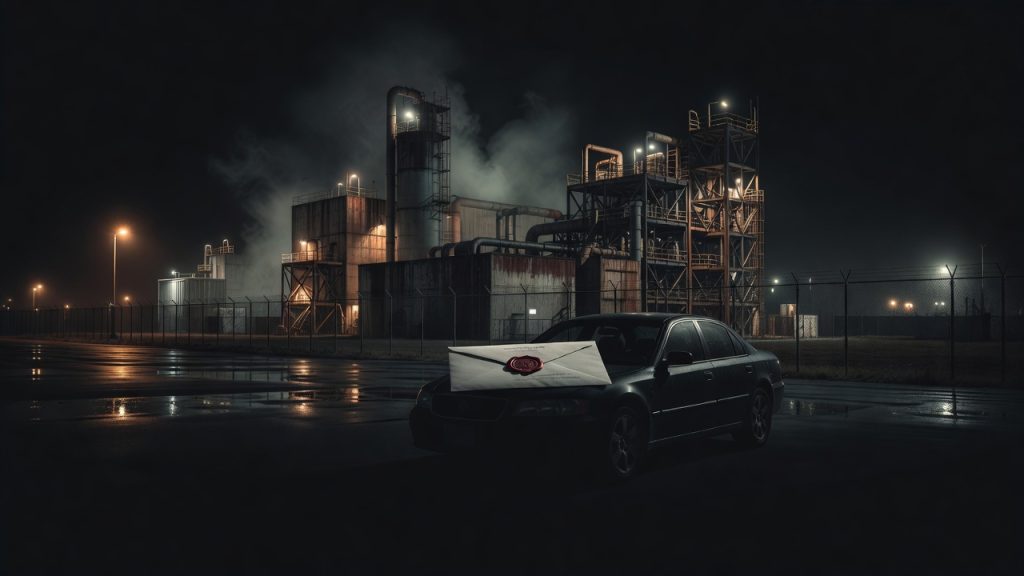
Article IX clarification requests at a fenced chemical facility at dusk — ConspiracyRealist.com

Before the inspectors ever touch the tarmac, before sealed perimeters and sample kits and the theater of an international raid, there is usually a quieter moment. A letter lands. A government asks another government to explain itself. Ten days start ticking. In treaty law, that moment lives inside Article IX of the Chemical Weapons Convention—a mechanism built for doubt, pressure, and plausible restraint. It is the part of the story most readers skip because it lacks the cinematic force of a surprise inspection. But sometimes the softer knock at the door tells you more than the battering ram ever could.

The Case For

The treaty was designed to ask questions before it kicked in doors

The OPCW’s text of Article IX starts with an unusually direct premise: states parties shall “consult and cooperate” if compliance doubts arise. That matters. The Chemical Weapons Convention was not written as a machine that jumps straight from suspicion to spectacle. It was built to create an escalation ladder, and clarification requests sit near the bottom of that ladder for a reason.

Under Article IX, a state can ask another state to clarify a concern directly, or it can ask the OPCW Executive Council to obtain that clarification. If the question goes through the Council, the request must be forwarded within 24 hours, and the requested state must answer as soon as possible, but no later than 10 days after receipt. If the answer is inadequate, the requesting state can press for further clarification, and the Council can even call on the Director-General to assemble experts to examine the available information.

That is not diplomatic small talk. It is a formal compliance tool with a clock attached. A 2005 U.S. State Department fact sheet on CWC compliance says the United States had “successfully used bilateral consultations under Article IX to clarify and resolve concerns” involving other states parties. The Bureau of Industry and Security’s challenge-inspection overview goes even further in explaining why this quieter route matters: the Convention has two formal ways to address compliance concerns—clarification requests and challenge inspections—and, as of that bulletin, no challenge inspection had ever occurred anywhere in the world.

That helps explain why Article IX can look like the real front line in government-secrets reporting. If states are reluctant to trigger the treaty’s most confrontational power, then the clarification process becomes the place where pressure is actually applied. We saw that dynamic publicly in 2021, when a group of 45 states parties submitted four questions to Russia under Article IX, paragraph 2, over the poisoning of Alexey Navalny. We saw it again in March 2026, when an OPCW Executive Council agenda note recorded a joint request by France, Germany, the Netherlands, Sweden, and the United Kingdom seeking clarification from the Russian Federation under Article IX.

In other words, when governments suspect something serious but are not ready to force an inspection crisis, Article IX is the instrument they reach for first. It is the treaty’s pressure valve and documentary trail at once. In the world where challenge inspections almost never happen, the questions before the raid may be the most important part of the raid. For the mechanics of that next step, our breakdown of a chemical weapons challenge inspection shows how much heavier the process becomes once diplomacy fails.

The Realist’s Eye

A formal question is not the same thing as a real answer

This is where the mechanism starts to look less like a scalpel and more like a holding pattern. Article IX can compel a response. It cannot compel candor. A government under suspicion can answer narrowly, lawyer the language, bury the issue in procedure, or give just enough to satisfy allies already inclined to move on. The 10-day deadline sounds sharp on paper, but time pressure does not automatically produce truth.

The Navalny example shows the problem in plain daylight. In a statement delivered at the OPCW Conference of the States Parties in 2021, the United Kingdom said Russia’s response “made no attempt” to answer the four questions raised by the 45-state group and did not resolve the concerns that triggered the request. That is the structural weakness in the system: a clarification request can create a record of non-cooperation, but it may still leave the underlying question unresolved.

There is another problem. Article IX can escalate toward more scrutiny, but escalation is political. The same treaty that offers “any time, anywhere” challenge inspections also requires states to decide whether they are willing to set off that alarm. The BIS overview notes that a challenge inspection can be stopped only by a three-quarter Executive Council vote against it, yet no state has ever put the system to that test. That absence cuts two ways. Maybe Article IX is working so well that crises are defused early. Or maybe governments prefer the symbolism of asking hard questions to the consequences of demanding harder proof.

Even the positive evidence is thinner than it first appears. The U.S. fact sheet says bilateral consultations have been used successfully, but it does not spell out each case in detail. Much of the real action may happen offstage, inside exchanges the public never sees. That makes Article IX hard to measure from the outside. A quiet success can look like inaction. A quiet failure can look almost the same.

So the realist’s problem is not whether Article IX exists. It clearly does. The problem is whether it functions as a meaningful path to accountability or as a procedural buffer that absorbs outrage before anyone reaches for the treaty’s stronger tools. The mechanism is real. Its deterrent power is harder to prove.

What We Know For Certain

  • Article IX of the Chemical Weapons Convention requires states parties to consult and cooperate when compliance concerns arise.
  • When the Executive Council is asked to obtain clarification, the request is forwarded within 24 hours and the requested state has up to 10 days to answer.
  • If the answer is considered inadequate, the requesting state can seek further clarification through the Executive Council.
  • The BIS challenge-inspection overview says no CWC challenge inspection had taken place worldwide at the time of publication.
  • U.S. regulations in 15 CFR Part 717 require affected facilities to provide BIS relevant information within five working days if BIS receives an Article IX clarification request.

The Unanswered Questions

  • How often are bilateral Article IX consultations used without ever becoming public?
  • What evidence threshold makes states move from clarification requests to an actual challenge inspection request?
  • How often has the Executive Council considered a clarification response inadequate in practice?
  • Does the existence of Article IX reduce noncompliance, or does it mostly delay harder enforcement choices?

The Closer — You Decide

The Chemical Weapons Convention did not just imagine inspectors at the gate. It imagined suspicion first—measured, written down, and answered under deadline. That quieter machinery is easy to miss because it does not look dramatic from the outside. But the documents are real, the requests are real, and the pattern is real: when states fear what they might find, they often start by asking questions they already suspect will not be answered cleanly. The evidence is on the table. You decide.

dive down the rabbit hole

Article IX Clarification Requests: Before the Raid

S-FX.com
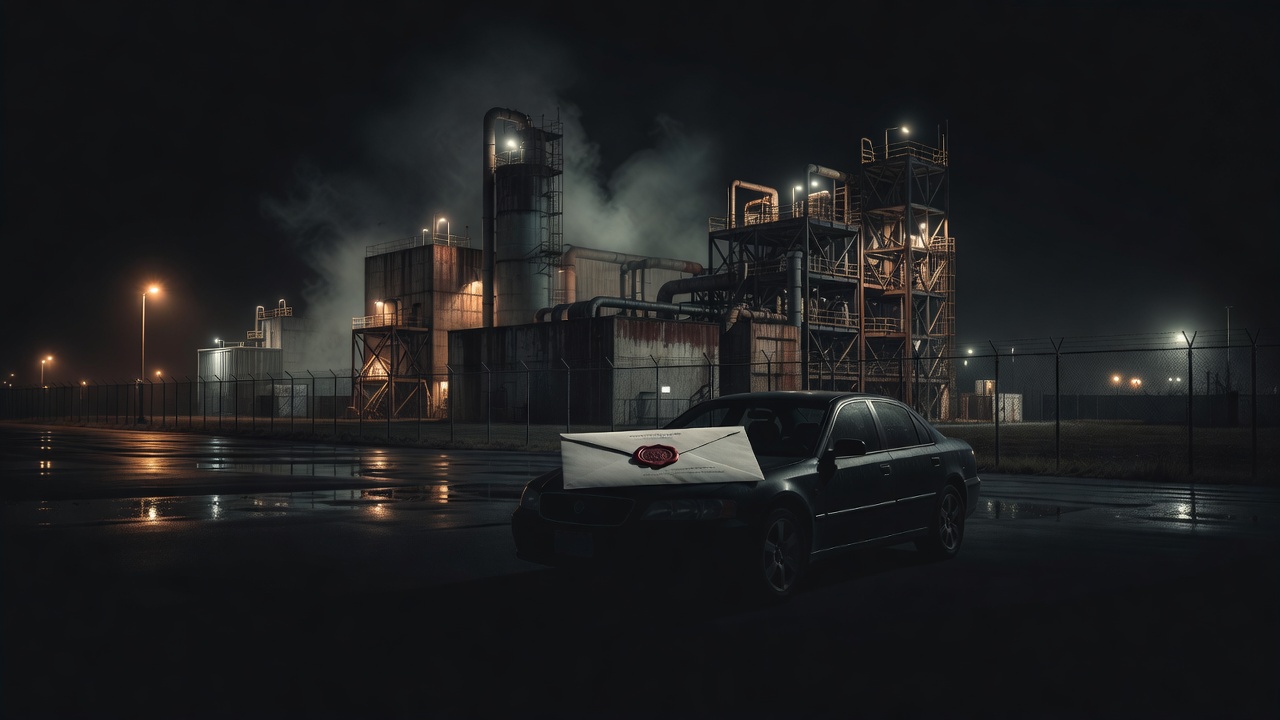
Article IX clarification requests at a fenced chemical facility at dusk — ConspiracyRealist.com

Before the inspectors ever touch the tarmac, before sealed perimeters and sample kits and the theater of an international raid, there is usually a quieter moment. A letter lands. A government asks another government to explain itself. Ten days start ticking. In treaty law, that moment lives inside Article IX of the Chemical Weapons Convention—a mechanism built for doubt, pressure, and plausible restraint. It is the part of the story most readers skip because it lacks the cinematic force of a surprise inspection. But sometimes the softer knock at the door tells you more than the battering ram ever could.

The Case For

The treaty was designed to ask questions before it kicked in doors

The OPCW’s text of Article IX starts with an unusually direct premise: states parties shall “consult and cooperate” if compliance doubts arise. That matters. The Chemical Weapons Convention was not written as a machine that jumps straight from suspicion to spectacle. It was built to create an escalation ladder, and clarification requests sit near the bottom of that ladder for a reason.

Under Article IX, a state can ask another state to clarify a concern directly, or it can ask the OPCW Executive Council to obtain that clarification. If the question goes through the Council, the request must be forwarded within 24 hours, and the requested state must answer as soon as possible, but no later than 10 days after receipt. If the answer is inadequate, the requesting state can press for further clarification, and the Council can even call on the Director-General to assemble experts to examine the available information.

That is not diplomatic small talk. It is a formal compliance tool with a clock attached. A 2005 U.S. State Department fact sheet on CWC compliance says the United States had “successfully used bilateral consultations under Article IX to clarify and resolve concerns” involving other states parties. The Bureau of Industry and Security’s challenge-inspection overview goes even further in explaining why this quieter route matters: the Convention has two formal ways to address compliance concerns—clarification requests and challenge inspections—and, as of that bulletin, no challenge inspection had ever occurred anywhere in the world.

That helps explain why Article IX can look like the real front line in government-secrets reporting. If states are reluctant to trigger the treaty’s most confrontational power, then the clarification process becomes the place where pressure is actually applied. We saw that dynamic publicly in 2021, when a group of 45 states parties submitted four questions to Russia under Article IX, paragraph 2, over the poisoning of Alexey Navalny. We saw it again in March 2026, when an OPCW Executive Council agenda note recorded a joint request by France, Germany, the Netherlands, Sweden, and the United Kingdom seeking clarification from the Russian Federation under Article IX.

In other words, when governments suspect something serious but are not ready to force an inspection crisis, Article IX is the instrument they reach for first. It is the treaty’s pressure valve and documentary trail at once. In the world where challenge inspections almost never happen, the questions before the raid may be the most important part of the raid. For the mechanics of that next step, our breakdown of a chemical weapons challenge inspection shows how much heavier the process becomes once diplomacy fails.

The Realist’s Eye

A formal question is not the same thing as a real answer

This is where the mechanism starts to look less like a scalpel and more like a holding pattern. Article IX can compel a response. It cannot compel candor. A government under suspicion can answer narrowly, lawyer the language, bury the issue in procedure, or give just enough to satisfy allies already inclined to move on. The 10-day deadline sounds sharp on paper, but time pressure does not automatically produce truth.

The Navalny example shows the problem in plain daylight. In a statement delivered at the OPCW Conference of the States Parties in 2021, the United Kingdom said Russia’s response “made no attempt” to answer the four questions raised by the 45-state group and did not resolve the concerns that triggered the request. That is the structural weakness in the system: a clarification request can create a record of non-cooperation, but it may still leave the underlying question unresolved.

There is another problem. Article IX can escalate toward more scrutiny, but escalation is political. The same treaty that offers “any time, anywhere” challenge inspections also requires states to decide whether they are willing to set off that alarm. The BIS overview notes that a challenge inspection can be stopped only by a three-quarter Executive Council vote against it, yet no state has ever put the system to that test. That absence cuts two ways. Maybe Article IX is working so well that crises are defused early. Or maybe governments prefer the symbolism of asking hard questions to the consequences of demanding harder proof.

Even the positive evidence is thinner than it first appears. The U.S. fact sheet says bilateral consultations have been used successfully, but it does not spell out each case in detail. Much of the real action may happen offstage, inside exchanges the public never sees. That makes Article IX hard to measure from the outside. A quiet success can look like inaction. A quiet failure can look almost the same.

So the realist’s problem is not whether Article IX exists. It clearly does. The problem is whether it functions as a meaningful path to accountability or as a procedural buffer that absorbs outrage before anyone reaches for the treaty’s stronger tools. The mechanism is real. Its deterrent power is harder to prove.

What We Know For Certain

  • Article IX of the Chemical Weapons Convention requires states parties to consult and cooperate when compliance concerns arise.
  • When the Executive Council is asked to obtain clarification, the request is forwarded within 24 hours and the requested state has up to 10 days to answer.
  • If the answer is considered inadequate, the requesting state can seek further clarification through the Executive Council.
  • The BIS challenge-inspection overview says no CWC challenge inspection had taken place worldwide at the time of publication.
  • U.S. regulations in 15 CFR Part 717 require affected facilities to provide BIS relevant information within five working days if BIS receives an Article IX clarification request.

The Unanswered Questions

  • How often are bilateral Article IX consultations used without ever becoming public?
  • What evidence threshold makes states move from clarification requests to an actual challenge inspection request?
  • How often has the Executive Council considered a clarification response inadequate in practice?
  • Does the existence of Article IX reduce noncompliance, or does it mostly delay harder enforcement choices?

The Closer — You Decide

The Chemical Weapons Convention did not just imagine inspectors at the gate. It imagined suspicion first—measured, written down, and answered under deadline. That quieter machinery is easy to miss because it does not look dramatic from the outside. But the documents are real, the requests are real, and the pattern is real: when states fear what they might find, they often start by asking questions they already suspect will not be answered cleanly. The evidence is on the table. You decide.

Article IX Clarification Requests: Before the Raid

Article IX clarification requests at a fenced chemical facility at dusk — ConspiracyRealist.com

Before the inspectors ever touch the tarmac, before sealed perimeters and sample kits and the theater of an international raid, there is usually a quieter moment. A letter lands. A government asks another government to explain itself. Ten days start ticking. In treaty law, that moment lives inside Article IX of the Chemical Weapons Convention—a mechanism built for doubt, pressure, and plausible restraint. It is the part of the story most readers skip because it lacks the cinematic force of a surprise inspection. But sometimes the softer knock at the door tells you more than the battering ram ever could.

The Case For

The treaty was designed to ask questions before it kicked in doors

The OPCW’s text of Article IX starts with an unusually direct premise: states parties shall “consult and cooperate” if compliance doubts arise. That matters. The Chemical Weapons Convention was not written as a machine that jumps straight from suspicion to spectacle. It was built to create an escalation ladder, and clarification requests sit near the bottom of that ladder for a reason.

Under Article IX, a state can ask another state to clarify a concern directly, or it can ask the OPCW Executive Council to obtain that clarification. If the question goes through the Council, the request must be forwarded within 24 hours, and the requested state must answer as soon as possible, but no later than 10 days after receipt. If the answer is inadequate, the requesting state can press for further clarification, and the Council can even call on the Director-General to assemble experts to examine the available information.

That is not diplomatic small talk. It is a formal compliance tool with a clock attached. A 2005 U.S. State Department fact sheet on CWC compliance says the United States had “successfully used bilateral consultations under Article IX to clarify and resolve concerns” involving other states parties. The Bureau of Industry and Security’s challenge-inspection overview goes even further in explaining why this quieter route matters: the Convention has two formal ways to address compliance concerns—clarification requests and challenge inspections—and, as of that bulletin, no challenge inspection had ever occurred anywhere in the world.

That helps explain why Article IX can look like the real front line in government-secrets reporting. If states are reluctant to trigger the treaty’s most confrontational power, then the clarification process becomes the place where pressure is actually applied. We saw that dynamic publicly in 2021, when a group of 45 states parties submitted four questions to Russia under Article IX, paragraph 2, over the poisoning of Alexey Navalny. We saw it again in March 2026, when an OPCW Executive Council agenda note recorded a joint request by France, Germany, the Netherlands, Sweden, and the United Kingdom seeking clarification from the Russian Federation under Article IX.

In other words, when governments suspect something serious but are not ready to force an inspection crisis, Article IX is the instrument they reach for first. It is the treaty’s pressure valve and documentary trail at once. In the world where challenge inspections almost never happen, the questions before the raid may be the most important part of the raid. For the mechanics of that next step, our breakdown of a chemical weapons challenge inspection shows how much heavier the process becomes once diplomacy fails.

The Realist’s Eye

A formal question is not the same thing as a real answer

This is where the mechanism starts to look less like a scalpel and more like a holding pattern. Article IX can compel a response. It cannot compel candor. A government under suspicion can answer narrowly, lawyer the language, bury the issue in procedure, or give just enough to satisfy allies already inclined to move on. The 10-day deadline sounds sharp on paper, but time pressure does not automatically produce truth.

The Navalny example shows the problem in plain daylight. In a statement delivered at the OPCW Conference of the States Parties in 2021, the United Kingdom said Russia’s response “made no attempt” to answer the four questions raised by the 45-state group and did not resolve the concerns that triggered the request. That is the structural weakness in the system: a clarification request can create a record of non-cooperation, but it may still leave the underlying question unresolved.

There is another problem. Article IX can escalate toward more scrutiny, but escalation is political. The same treaty that offers “any time, anywhere” challenge inspections also requires states to decide whether they are willing to set off that alarm. The BIS overview notes that a challenge inspection can be stopped only by a three-quarter Executive Council vote against it, yet no state has ever put the system to that test. That absence cuts two ways. Maybe Article IX is working so well that crises are defused early. Or maybe governments prefer the symbolism of asking hard questions to the consequences of demanding harder proof.

Even the positive evidence is thinner than it first appears. The U.S. fact sheet says bilateral consultations have been used successfully, but it does not spell out each case in detail. Much of the real action may happen offstage, inside exchanges the public never sees. That makes Article IX hard to measure from the outside. A quiet success can look like inaction. A quiet failure can look almost the same.

So the realist’s problem is not whether Article IX exists. It clearly does. The problem is whether it functions as a meaningful path to accountability or as a procedural buffer that absorbs outrage before anyone reaches for the treaty’s stronger tools. The mechanism is real. Its deterrent power is harder to prove.

What We Know For Certain

  • Article IX of the Chemical Weapons Convention requires states parties to consult and cooperate when compliance concerns arise.
  • When the Executive Council is asked to obtain clarification, the request is forwarded within 24 hours and the requested state has up to 10 days to answer.
  • If the answer is considered inadequate, the requesting state can seek further clarification through the Executive Council.
  • The BIS challenge-inspection overview says no CWC challenge inspection had taken place worldwide at the time of publication.
  • U.S. regulations in 15 CFR Part 717 require affected facilities to provide BIS relevant information within five working days if BIS receives an Article IX clarification request.

The Unanswered Questions

  • How often are bilateral Article IX consultations used without ever becoming public?
  • What evidence threshold makes states move from clarification requests to an actual challenge inspection request?
  • How often has the Executive Council considered a clarification response inadequate in practice?
  • Does the existence of Article IX reduce noncompliance, or does it mostly delay harder enforcement choices?

The Closer — You Decide

The Chemical Weapons Convention did not just imagine inspectors at the gate. It imagined suspicion first—measured, written down, and answered under deadline. That quieter machinery is easy to miss because it does not look dramatic from the outside. But the documents are real, the requests are real, and the pattern is real: when states fear what they might find, they often start by asking questions they already suspect will not be answered cleanly. The evidence is on the table. You decide.

Table of contents