Menu

CBM Form G: The Vaccine Declarations We Rarely See

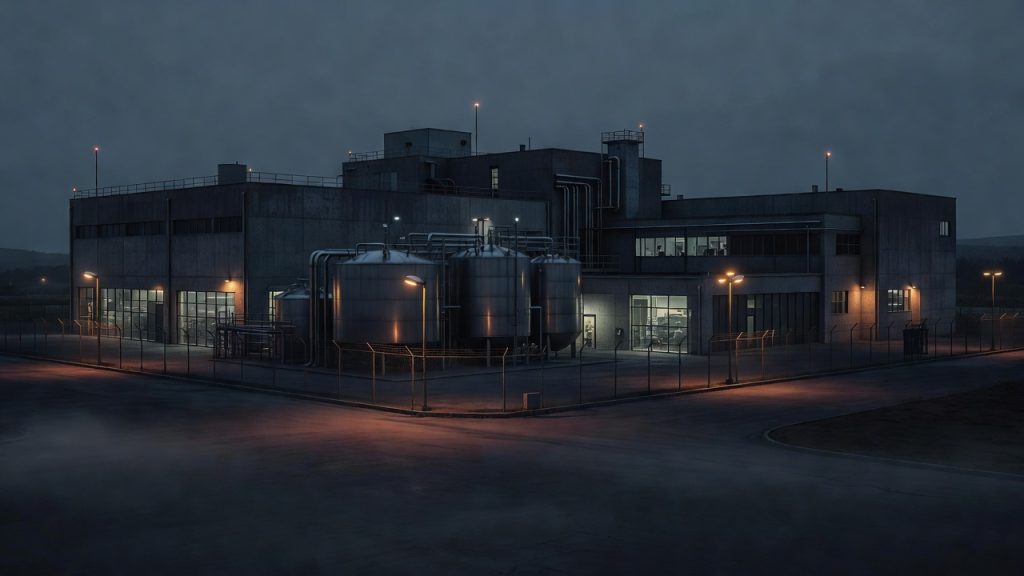
Vaccine production facility at dusk under CBM Form G secrecy — ConspiracyRealist.com

At the far end of the biosecurity world stands a class of building that looks almost innocent from the outside: clean rooms, fermentation lines, loading docks, clipboards, freezers. A vaccine plant can symbolize public health at its best. It can also make treaty negotiators nervous. Inside the Biological Weapons Convention, that unease has a name: CBM Form G. For more than three decades, states have been asked to declare their human vaccine production facilities, as if everyone in the room understands the same dark subtext. The forms are real. The confidence they were meant to build is another question.

The Case For

Why vaccine plants made negotiators nervous

The theory starts with a simple and uncomfortable fact: biological production is dual-use by nature. The same industrial ecosystem that can produce vaccines, diagnostics, and protective countermeasures can also create suspicion when states refuse to explain what those facilities are doing. That tension sits at the heart of the Biological Weapons Convention, which bans biological weapons but never built a standing verification regime to inspect the world’s most sensitive labs and factories.

In 1986, the BWC’s Second Review Conference created the treaty’s confidence-building measures to reduce “ambiguities, doubts and suspicions.” In 1991, the Third Review Conference expanded those measures, including CBM Form G, the declaration of vaccine production facilities. According to the United Nations Office for Disarmament Affairs, states parties are still expected to file annual CBM reports by April 15 covering the previous calendar year, and Form G remains one of the six surviving declarations.

Why vaccines? Because a state that can culture organisms safely, scale production, maintain sterile lines, and move biological material through regulated channels possesses at least some of the industrial competencies that matter in a biological weapons discussion. A 2022 U.S. working paper to the Ninth Review Conference said one original rationale for Form G in 1991 was concern that vaccine manufacturing sites could represent a latent government capability for biological weapons production. That is not a claim that vaccine plants are weapons plants. It is a claim that treaty architects saw overlap—and wanted a paper trail.

The paper trail that still matters

That paper trail is stranger than it sounds. States can make CBM submissions public, or restrict them to other BWC states parties. So the treaty’s transparency mechanism is partly transparent and partly sealed. Even when a country does file, the submission can function more like a declaration cabinet than an inspection report. In its 2023 CBM return covering 2022, the United States said the data in Form G were excerpted from the FDA’s public list of licensed human vaccines and associated production facilities. Useful, yes. But also revealing: one of the world’s most powerful states satisfied Form G partly by pointing to an existing public database.

For conspiracy-minded readers, that is where the temperature rises. If the treaty’s main disclosure tool for vaccine plants can rely on self-reporting, selective publication, and public-source compilation, what exactly is it catching? And what happens when multinational pharmaceutical production is outsourced across borders, split among contract manufacturers, or licensed through entities that do not map neatly onto old Cold War assumptions? The same 2022 U.S. working paper argued that global vaccine manufacturing has changed dramatically since 1991, with outsourcing and multinational arrangements muddying the original logic of Form G.

That makes Form G feel less like a solved compliance measure and more like a dim instrument panel flickering in the dark. It also fits the broader pattern in the government secrets archive: the state often admits just enough to prove the concern is real, then leaves the public to debate whether the system built to manage it is actually adequate. If you read our earlier look at the VEREX vaccine case studies, you can see the same fault line: vaccine facilities were never irrelevant to compliance debates. They were central to them.

The Realist’s Eye

Why Form G is not a smoking gun

Now the hard brake. None of this proves that vaccine plants are covert bioweapons sites, or that Form G hides a secret everybody in Geneva already knows. In fact, the existence of Form G can be read as the opposite: evidence that states parties openly recognized the dual-use problem and created a formal mechanism to lower suspicion. A declaration requirement is not a confession. It is a confidence-building tool.

There is also a practical reason vaccine facilities ended up on the list. They are among the most visible, highly regulated, and internationally relevant parts of the biological enterprise. If a treaty wants a baseline picture of who can manufacture complex biological products for humans, vaccine facilities are an obvious place to start. Public health, not covert war planning, explains most of what these plants actually do.

Why transparency can still mislead

The deeper problem is that Form G may be both meaningful and insufficient at the same time. A facility declaration can show capability, but capability is not intent. A country can declare a plant honestly and still tell you little about what would matter most in a compliance crisis: what lines could be repurposed, how quickly, under whose authority, using which organisms, and with what oversight. Modern vaccine supply chains are also messy, with licensing, ownership, production, and fill-finish work spread across borders and contractors.

That is why the realist position matters. The conspiracy frame says Form G proves the treaty world quietly knows vaccine infrastructure can mask darker possibilities. The skeptic’s reply is that everyone knows biology is dual-use, which is exactly why a paperwork mechanism exists in the first place. The real tension is not hidden knowledge versus public ignorance. It is whether an old disclosure form can still do serious confidence-building work in a biotech landscape that has outgrown the assumptions built into it.

What We Know For Certain

  • The Biological Weapons Convention has no standing verification regime comparable to the inspection systems used in some other arms-control treaties.
  • BWC confidence-building measures were introduced in 1986 and expanded in 1991.
  • CBM Form G requires declarations of human vaccine production facilities.
  • BWC states parties are expected to submit CBM reports annually by April 15 covering the previous calendar year.
  • States parties may choose to make CBM submissions public or restrict them to other states parties.

The Unanswered Questions

  • How many states submit Form G consistently, and how complete are those declarations in practice?
  • Does Form G still capture modern outsourced and multinational vaccine manufacturing accurately enough to reduce suspicion?
  • What information about surge capacity, contract production, or platform flexibility falls outside the current form?
  • How should treaty transparency adapt when the same technologies can support biodefense, public health, and potentially prohibited work?

The Closer — You Decide

CBM Form G is not a thriller prop. It is more unsettling than that. It is a real treaty form built around a real fear: that the line between lifesaving biological capacity and suspicious biological capacity is thinner than states like to admit. The declarations exist. The dual-use problem exists. So does the possibility that a paper trail, by itself, cannot carry the weight placed on it. The evidence is on the table. You decide.

dive down the rabbit hole

CBM Form G: The Vaccine Declarations We Rarely See

S-FX.com
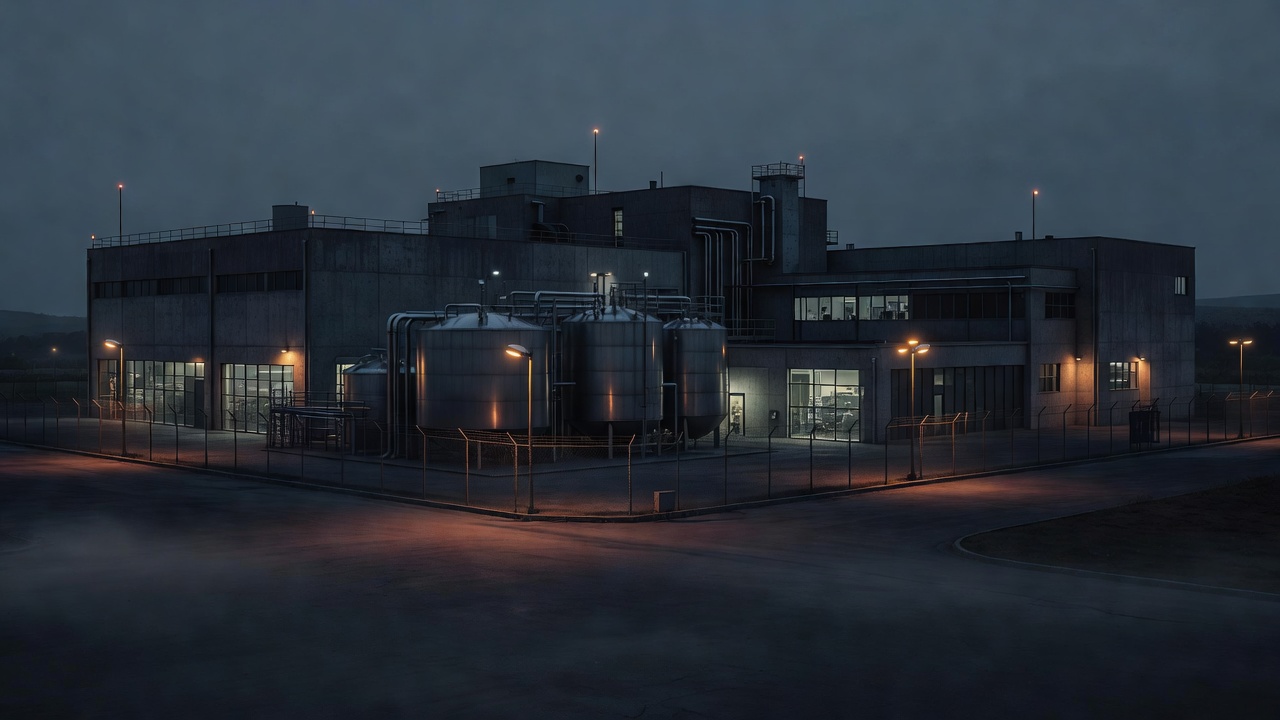
Vaccine production facility at dusk under CBM Form G secrecy — ConspiracyRealist.com

At the far end of the biosecurity world stands a class of building that looks almost innocent from the outside: clean rooms, fermentation lines, loading docks, clipboards, freezers. A vaccine plant can symbolize public health at its best. It can also make treaty negotiators nervous. Inside the Biological Weapons Convention, that unease has a name: CBM Form G. For more than three decades, states have been asked to declare their human vaccine production facilities, as if everyone in the room understands the same dark subtext. The forms are real. The confidence they were meant to build is another question.

The Case For

Why vaccine plants made negotiators nervous

The theory starts with a simple and uncomfortable fact: biological production is dual-use by nature. The same industrial ecosystem that can produce vaccines, diagnostics, and protective countermeasures can also create suspicion when states refuse to explain what those facilities are doing. That tension sits at the heart of the Biological Weapons Convention, which bans biological weapons but never built a standing verification regime to inspect the world’s most sensitive labs and factories.

In 1986, the BWC’s Second Review Conference created the treaty’s confidence-building measures to reduce “ambiguities, doubts and suspicions.” In 1991, the Third Review Conference expanded those measures, including CBM Form G, the declaration of vaccine production facilities. According to the United Nations Office for Disarmament Affairs, states parties are still expected to file annual CBM reports by April 15 covering the previous calendar year, and Form G remains one of the six surviving declarations.

Why vaccines? Because a state that can culture organisms safely, scale production, maintain sterile lines, and move biological material through regulated channels possesses at least some of the industrial competencies that matter in a biological weapons discussion. A 2022 U.S. working paper to the Ninth Review Conference said one original rationale for Form G in 1991 was concern that vaccine manufacturing sites could represent a latent government capability for biological weapons production. That is not a claim that vaccine plants are weapons plants. It is a claim that treaty architects saw overlap—and wanted a paper trail.

The paper trail that still matters

That paper trail is stranger than it sounds. States can make CBM submissions public, or restrict them to other BWC states parties. So the treaty’s transparency mechanism is partly transparent and partly sealed. Even when a country does file, the submission can function more like a declaration cabinet than an inspection report. In its 2023 CBM return covering 2022, the United States said the data in Form G were excerpted from the FDA’s public list of licensed human vaccines and associated production facilities. Useful, yes. But also revealing: one of the world’s most powerful states satisfied Form G partly by pointing to an existing public database.

For conspiracy-minded readers, that is where the temperature rises. If the treaty’s main disclosure tool for vaccine plants can rely on self-reporting, selective publication, and public-source compilation, what exactly is it catching? And what happens when multinational pharmaceutical production is outsourced across borders, split among contract manufacturers, or licensed through entities that do not map neatly onto old Cold War assumptions? The same 2022 U.S. working paper argued that global vaccine manufacturing has changed dramatically since 1991, with outsourcing and multinational arrangements muddying the original logic of Form G.

That makes Form G feel less like a solved compliance measure and more like a dim instrument panel flickering in the dark. It also fits the broader pattern in the government secrets archive: the state often admits just enough to prove the concern is real, then leaves the public to debate whether the system built to manage it is actually adequate. If you read our earlier look at the VEREX vaccine case studies, you can see the same fault line: vaccine facilities were never irrelevant to compliance debates. They were central to them.

The Realist’s Eye

Why Form G is not a smoking gun

Now the hard brake. None of this proves that vaccine plants are covert bioweapons sites, or that Form G hides a secret everybody in Geneva already knows. In fact, the existence of Form G can be read as the opposite: evidence that states parties openly recognized the dual-use problem and created a formal mechanism to lower suspicion. A declaration requirement is not a confession. It is a confidence-building tool.

There is also a practical reason vaccine facilities ended up on the list. They are among the most visible, highly regulated, and internationally relevant parts of the biological enterprise. If a treaty wants a baseline picture of who can manufacture complex biological products for humans, vaccine facilities are an obvious place to start. Public health, not covert war planning, explains most of what these plants actually do.

Why transparency can still mislead

The deeper problem is that Form G may be both meaningful and insufficient at the same time. A facility declaration can show capability, but capability is not intent. A country can declare a plant honestly and still tell you little about what would matter most in a compliance crisis: what lines could be repurposed, how quickly, under whose authority, using which organisms, and with what oversight. Modern vaccine supply chains are also messy, with licensing, ownership, production, and fill-finish work spread across borders and contractors.

That is why the realist position matters. The conspiracy frame says Form G proves the treaty world quietly knows vaccine infrastructure can mask darker possibilities. The skeptic’s reply is that everyone knows biology is dual-use, which is exactly why a paperwork mechanism exists in the first place. The real tension is not hidden knowledge versus public ignorance. It is whether an old disclosure form can still do serious confidence-building work in a biotech landscape that has outgrown the assumptions built into it.

What We Know For Certain

  • The Biological Weapons Convention has no standing verification regime comparable to the inspection systems used in some other arms-control treaties.
  • BWC confidence-building measures were introduced in 1986 and expanded in 1991.
  • CBM Form G requires declarations of human vaccine production facilities.
  • BWC states parties are expected to submit CBM reports annually by April 15 covering the previous calendar year.
  • States parties may choose to make CBM submissions public or restrict them to other states parties.

The Unanswered Questions

  • How many states submit Form G consistently, and how complete are those declarations in practice?
  • Does Form G still capture modern outsourced and multinational vaccine manufacturing accurately enough to reduce suspicion?
  • What information about surge capacity, contract production, or platform flexibility falls outside the current form?
  • How should treaty transparency adapt when the same technologies can support biodefense, public health, and potentially prohibited work?

The Closer — You Decide

CBM Form G is not a thriller prop. It is more unsettling than that. It is a real treaty form built around a real fear: that the line between lifesaving biological capacity and suspicious biological capacity is thinner than states like to admit. The declarations exist. The dual-use problem exists. So does the possibility that a paper trail, by itself, cannot carry the weight placed on it. The evidence is on the table. You decide.

CBM Form G: The Vaccine Declarations We Rarely See

Vaccine production facility at dusk under CBM Form G secrecy — ConspiracyRealist.com

At the far end of the biosecurity world stands a class of building that looks almost innocent from the outside: clean rooms, fermentation lines, loading docks, clipboards, freezers. A vaccine plant can symbolize public health at its best. It can also make treaty negotiators nervous. Inside the Biological Weapons Convention, that unease has a name: CBM Form G. For more than three decades, states have been asked to declare their human vaccine production facilities, as if everyone in the room understands the same dark subtext. The forms are real. The confidence they were meant to build is another question.

The Case For

Why vaccine plants made negotiators nervous

The theory starts with a simple and uncomfortable fact: biological production is dual-use by nature. The same industrial ecosystem that can produce vaccines, diagnostics, and protective countermeasures can also create suspicion when states refuse to explain what those facilities are doing. That tension sits at the heart of the Biological Weapons Convention, which bans biological weapons but never built a standing verification regime to inspect the world’s most sensitive labs and factories.

In 1986, the BWC’s Second Review Conference created the treaty’s confidence-building measures to reduce “ambiguities, doubts and suspicions.” In 1991, the Third Review Conference expanded those measures, including CBM Form G, the declaration of vaccine production facilities. According to the United Nations Office for Disarmament Affairs, states parties are still expected to file annual CBM reports by April 15 covering the previous calendar year, and Form G remains one of the six surviving declarations.

Why vaccines? Because a state that can culture organisms safely, scale production, maintain sterile lines, and move biological material through regulated channels possesses at least some of the industrial competencies that matter in a biological weapons discussion. A 2022 U.S. working paper to the Ninth Review Conference said one original rationale for Form G in 1991 was concern that vaccine manufacturing sites could represent a latent government capability for biological weapons production. That is not a claim that vaccine plants are weapons plants. It is a claim that treaty architects saw overlap—and wanted a paper trail.

The paper trail that still matters

That paper trail is stranger than it sounds. States can make CBM submissions public, or restrict them to other BWC states parties. So the treaty’s transparency mechanism is partly transparent and partly sealed. Even when a country does file, the submission can function more like a declaration cabinet than an inspection report. In its 2023 CBM return covering 2022, the United States said the data in Form G were excerpted from the FDA’s public list of licensed human vaccines and associated production facilities. Useful, yes. But also revealing: one of the world’s most powerful states satisfied Form G partly by pointing to an existing public database.

For conspiracy-minded readers, that is where the temperature rises. If the treaty’s main disclosure tool for vaccine plants can rely on self-reporting, selective publication, and public-source compilation, what exactly is it catching? And what happens when multinational pharmaceutical production is outsourced across borders, split among contract manufacturers, or licensed through entities that do not map neatly onto old Cold War assumptions? The same 2022 U.S. working paper argued that global vaccine manufacturing has changed dramatically since 1991, with outsourcing and multinational arrangements muddying the original logic of Form G.

That makes Form G feel less like a solved compliance measure and more like a dim instrument panel flickering in the dark. It also fits the broader pattern in the government secrets archive: the state often admits just enough to prove the concern is real, then leaves the public to debate whether the system built to manage it is actually adequate. If you read our earlier look at the VEREX vaccine case studies, you can see the same fault line: vaccine facilities were never irrelevant to compliance debates. They were central to them.

The Realist’s Eye

Why Form G is not a smoking gun

Now the hard brake. None of this proves that vaccine plants are covert bioweapons sites, or that Form G hides a secret everybody in Geneva already knows. In fact, the existence of Form G can be read as the opposite: evidence that states parties openly recognized the dual-use problem and created a formal mechanism to lower suspicion. A declaration requirement is not a confession. It is a confidence-building tool.

There is also a practical reason vaccine facilities ended up on the list. They are among the most visible, highly regulated, and internationally relevant parts of the biological enterprise. If a treaty wants a baseline picture of who can manufacture complex biological products for humans, vaccine facilities are an obvious place to start. Public health, not covert war planning, explains most of what these plants actually do.

Why transparency can still mislead

The deeper problem is that Form G may be both meaningful and insufficient at the same time. A facility declaration can show capability, but capability is not intent. A country can declare a plant honestly and still tell you little about what would matter most in a compliance crisis: what lines could be repurposed, how quickly, under whose authority, using which organisms, and with what oversight. Modern vaccine supply chains are also messy, with licensing, ownership, production, and fill-finish work spread across borders and contractors.

That is why the realist position matters. The conspiracy frame says Form G proves the treaty world quietly knows vaccine infrastructure can mask darker possibilities. The skeptic’s reply is that everyone knows biology is dual-use, which is exactly why a paperwork mechanism exists in the first place. The real tension is not hidden knowledge versus public ignorance. It is whether an old disclosure form can still do serious confidence-building work in a biotech landscape that has outgrown the assumptions built into it.

What We Know For Certain

  • The Biological Weapons Convention has no standing verification regime comparable to the inspection systems used in some other arms-control treaties.
  • BWC confidence-building measures were introduced in 1986 and expanded in 1991.
  • CBM Form G requires declarations of human vaccine production facilities.
  • BWC states parties are expected to submit CBM reports annually by April 15 covering the previous calendar year.
  • States parties may choose to make CBM submissions public or restrict them to other states parties.

The Unanswered Questions

  • How many states submit Form G consistently, and how complete are those declarations in practice?
  • Does Form G still capture modern outsourced and multinational vaccine manufacturing accurately enough to reduce suspicion?
  • What information about surge capacity, contract production, or platform flexibility falls outside the current form?
  • How should treaty transparency adapt when the same technologies can support biodefense, public health, and potentially prohibited work?

The Closer — You Decide

CBM Form G is not a thriller prop. It is more unsettling than that. It is a real treaty form built around a real fear: that the line between lifesaving biological capacity and suspicious biological capacity is thinner than states like to admit. The declarations exist. The dual-use problem exists. So does the possibility that a paper trail, by itself, cannot carry the weight placed on it. The evidence is on the table. You decide.

Table of contents