Opens in a new tab
Menu

Navalny and Article IX’s Special Session

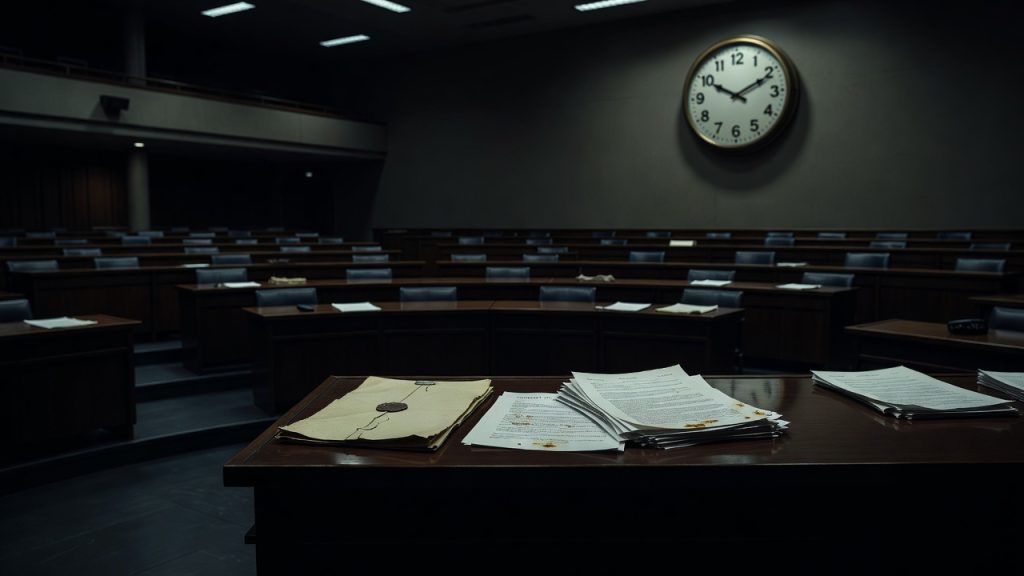
Empty treaty council chamber and dossier representing Navalny Article IX special session — ConspiracyRealist.com

Navalny and Article IX’s Special Session

The first deadline came and went in silence measured by paperwork. Not literal silence — Moscow answered, diplomats replied, statements were filed — but the kind that settles over a room when everyone knows the words are not the same thing as an explanation. Alexei Navalny had already become a case file crossing borders, laboratories, and treaties. Then came the harder question inside the Chemical Weapons Convention itself: when an Article IX answer does not settle the doubt, what is the next move?

The Case For

The treaty gives states a ladder, not just a deadline

The strongest argument for taking this procedural corner of the Navalny case seriously is simple: the mechanism is real, and it was built for moments exactly like this one. On its official Article IX page, the OPCW lays out a structured escalation path. A State Party can seek clarification from another State Party, the Executive Council must forward that request quickly, and the requested state is supposed to answer within 10 days. If the answer is inadequate, the requesting side can ask for further clarification. The Executive Council may then involve experts to examine the available information. And if that still does not resolve the concern, Article IX allows something more politically consequential: a special session of the Executive Council.

That matters because the Navalny case had already moved beyond rumor. The OPCW’s official Navalny case page says Germany requested technical assistance in September 2020, OPCW experts collected biomedical samples from Navalny with his consent, and designated laboratories confirmed biomarkers of a cholinesterase inhibitor with structural characteristics similar to toxic chemicals in the Convention’s schedules. Whatever anyone thinks happened behind the scenes, the treaty system was formally engaged.

Navalny turned Article IX from theory into a live test

By March 2024, the paper trail had become even more specific. In an OPCW-hosted joint statement, 47 States Parties recalled that 45 states had posed questions to Russia on 5 October 2021 under Article IX, paragraph 2, and said Russia’s 7 October response did not answer the simple questions posed. The same statement says those states repeated the questions on 5 November 2021 and had not received a substantive response since then.

That is the hinge. Article IX is not limited to a one-shot exchange. If a response does not resolve the concern, the Convention allows the requesting states to keep climbing: more clarification, expert review, a special Executive Council session, and — if the matter remains unresolved within 60 days after submission to the Council — a possible special session of the Conference itself. The drafters anticipated evasive answers and built an escalation route for them.

Seen from that angle, the Navalny episode becomes a case study in how the Convention tries to convert suspicion into procedure: not certainty, but a visible chain of steps that can show whether a state is engaging in good-faith compliance or merely occupying the space where compliance should be.

The Realist’s Eye

A special session is pressure, not proof

This is where the theory starts to fray. The Convention does allow a special session of the Executive Council after an inadequate answer, but that does not mean the process compels a truthful disclosure. A state can answer narrowly, contest the premise, counter-accuse, or bury the dispute under procedural objections. Even expert review depends on the information available. And a special session, for all its symbolism, is still a political body meeting inside a legal framework. It can spotlight non-compliance, but it cannot magically produce hidden evidence locked inside a security service file.

That limitation is visible in the Navalny record itself. The OPCW confirmed toxicological findings from independently collected samples. The Director-General’s 2021 remarks also said Russia’s own technical-assistance request did not meet the requirements needed for the Secretariat to assist in a comparable way. Yet none of that automatically solved the central mystery that readers care about most: who ordered the poisoning, what chain of custody exists inside Russia, and what domestic investigative steps were actually taken.

The treaty’s escalator only moves if states choose to stand on it

There is another hard truth here. Article IX offers options, but it does not remove the political cost of using them. A special session can sharpen a dispute, force public positions, and create a cleaner record for future accountability. It can also deepen diplomatic trench warfare without yielding new facts.

That is why the Navalny case remains so revealing. It shows both the strength and weakness of the system. The strength is that a formal mechanism exists, with written timelines and visible steps. The weakness is that it still depends on states willing to use it aggressively and collectively. Treaties can create procedure. They cannot manufacture courage.

If you want the fullest version of that tension, it helps to read this dispute alongside our breakdown of Article IX clarification requests and the earlier Navalny 10-day deadline analysis. The pattern is the same: the rulebook is clearer than the enforcement.

What We Know For Certain

  • Germany requested OPCW technical assistance after Navalny’s August 2020 poisoning, and OPCW experts independently collected biomedical samples from him with his consent.
  • OPCW-designated laboratories confirmed biomarkers of a cholinesterase inhibitor with structural characteristics similar to chemicals associated with the novichok family.
  • On 5 October 2021, 45 States Parties posed Article IX questions to the Russian Federation concerning the Navalny poisoning.
  • The Chemical Weapons Convention provides a 10-day deadline for clarification responses and allows further clarification requests, expert involvement, and a special session of the Executive Council if the answer is inadequate.
  • The March 2024 joint statement by 47 States Parties said Russia’s response did not answer the questions and that no substantive follow-up had been received since November 2021.

The Unanswered Questions

  • Did the Article IX exchange produce any non-public evidentiary material that materially changed states’ internal assessments?
  • How close, if at all, did the concerned States Parties come to seeking a special Executive Council session under Article IX’s escalation path?
  • What additional facts could an expert review or special session realistically surface without direct access to Russian investigative files, witnesses, and samples?
  • Does the Navalny case show a flaw in treaty design, or a failure of states to use the treaty’s hardest tools?

The Closer — You Decide

Some conspiracies live in shadows because the evidence is weak. Others linger because the evidence is strong enough to trigger a system, but not strong enough to force that system to finish the job. Navalny sits in the second category. The documents are real. The treaty pathway is real. The unanswered questions are real. Whether Article IX is a genuine pressure valve or just a well-dressed waiting room depends on what states do when the first answer is not an answer at all. The evidence is on the table. You decide.

dive down the rabbit hole

Navalny and Article IX’s Special Session

S-FX.com
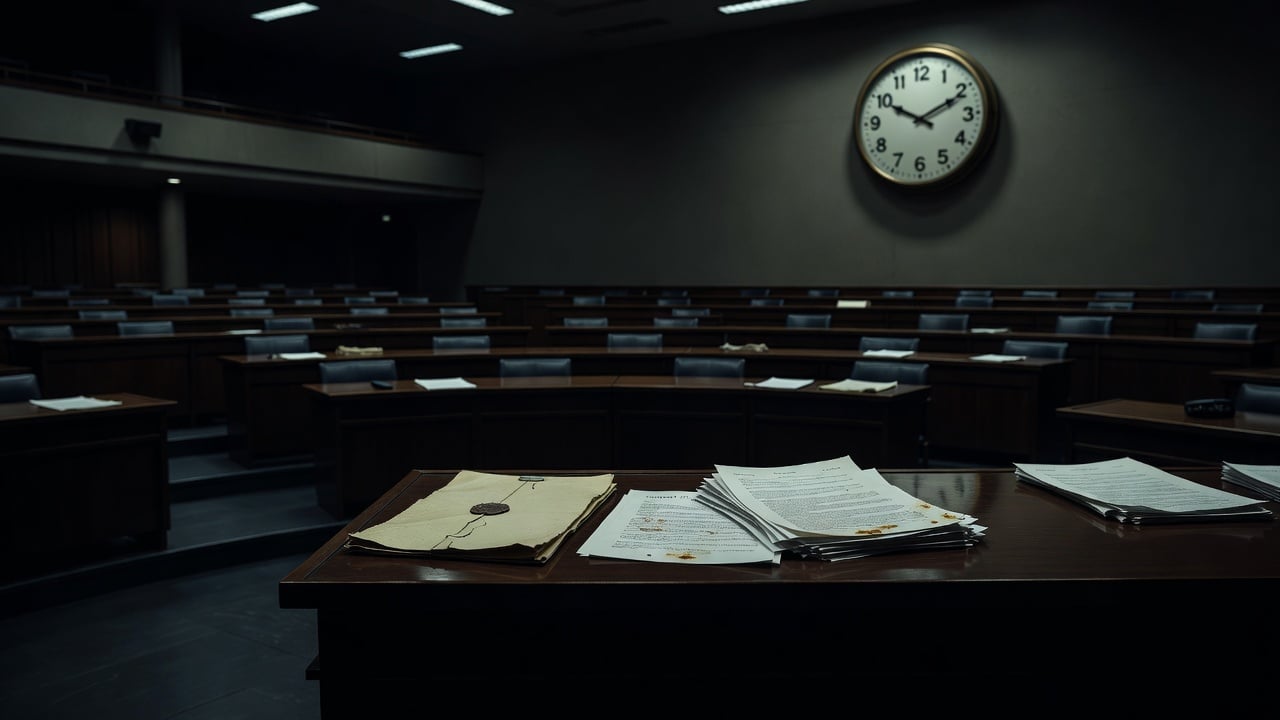
Empty treaty council chamber and dossier representing Navalny Article IX special session — ConspiracyRealist.com

Navalny and Article IX’s Special Session

The first deadline came and went in silence measured by paperwork. Not literal silence — Moscow answered, diplomats replied, statements were filed — but the kind that settles over a room when everyone knows the words are not the same thing as an explanation. Alexei Navalny had already become a case file crossing borders, laboratories, and treaties. Then came the harder question inside the Chemical Weapons Convention itself: when an Article IX answer does not settle the doubt, what is the next move?

The Case For

The treaty gives states a ladder, not just a deadline

The strongest argument for taking this procedural corner of the Navalny case seriously is simple: the mechanism is real, and it was built for moments exactly like this one. On its official Article IX page, the OPCW lays out a structured escalation path. A State Party can seek clarification from another State Party, the Executive Council must forward that request quickly, and the requested state is supposed to answer within 10 days. If the answer is inadequate, the requesting side can ask for further clarification. The Executive Council may then involve experts to examine the available information. And if that still does not resolve the concern, Article IX allows something more politically consequential: a special session of the Executive Council.

That matters because the Navalny case had already moved beyond rumor. The OPCW’s official Navalny case page says Germany requested technical assistance in September 2020, OPCW experts collected biomedical samples from Navalny with his consent, and designated laboratories confirmed biomarkers of a cholinesterase inhibitor with structural characteristics similar to toxic chemicals in the Convention’s schedules. Whatever anyone thinks happened behind the scenes, the treaty system was formally engaged.

Navalny turned Article IX from theory into a live test

By March 2024, the paper trail had become even more specific. In an OPCW-hosted joint statement, 47 States Parties recalled that 45 states had posed questions to Russia on 5 October 2021 under Article IX, paragraph 2, and said Russia’s 7 October response did not answer the simple questions posed. The same statement says those states repeated the questions on 5 November 2021 and had not received a substantive response since then.

That is the hinge. Article IX is not limited to a one-shot exchange. If a response does not resolve the concern, the Convention allows the requesting states to keep climbing: more clarification, expert review, a special Executive Council session, and — if the matter remains unresolved within 60 days after submission to the Council — a possible special session of the Conference itself. The drafters anticipated evasive answers and built an escalation route for them.

Seen from that angle, the Navalny episode becomes a case study in how the Convention tries to convert suspicion into procedure: not certainty, but a visible chain of steps that can show whether a state is engaging in good-faith compliance or merely occupying the space where compliance should be.

The Realist’s Eye

A special session is pressure, not proof

This is where the theory starts to fray. The Convention does allow a special session of the Executive Council after an inadequate answer, but that does not mean the process compels a truthful disclosure. A state can answer narrowly, contest the premise, counter-accuse, or bury the dispute under procedural objections. Even expert review depends on the information available. And a special session, for all its symbolism, is still a political body meeting inside a legal framework. It can spotlight non-compliance, but it cannot magically produce hidden evidence locked inside a security service file.

That limitation is visible in the Navalny record itself. The OPCW confirmed toxicological findings from independently collected samples. The Director-General’s 2021 remarks also said Russia’s own technical-assistance request did not meet the requirements needed for the Secretariat to assist in a comparable way. Yet none of that automatically solved the central mystery that readers care about most: who ordered the poisoning, what chain of custody exists inside Russia, and what domestic investigative steps were actually taken.

The treaty’s escalator only moves if states choose to stand on it

There is another hard truth here. Article IX offers options, but it does not remove the political cost of using them. A special session can sharpen a dispute, force public positions, and create a cleaner record for future accountability. It can also deepen diplomatic trench warfare without yielding new facts.

That is why the Navalny case remains so revealing. It shows both the strength and weakness of the system. The strength is that a formal mechanism exists, with written timelines and visible steps. The weakness is that it still depends on states willing to use it aggressively and collectively. Treaties can create procedure. They cannot manufacture courage.

If you want the fullest version of that tension, it helps to read this dispute alongside our breakdown of Article IX clarification requests and the earlier Navalny 10-day deadline analysis. The pattern is the same: the rulebook is clearer than the enforcement.

What We Know For Certain

  • Germany requested OPCW technical assistance after Navalny’s August 2020 poisoning, and OPCW experts independently collected biomedical samples from him with his consent.
  • OPCW-designated laboratories confirmed biomarkers of a cholinesterase inhibitor with structural characteristics similar to chemicals associated with the novichok family.
  • On 5 October 2021, 45 States Parties posed Article IX questions to the Russian Federation concerning the Navalny poisoning.
  • The Chemical Weapons Convention provides a 10-day deadline for clarification responses and allows further clarification requests, expert involvement, and a special session of the Executive Council if the answer is inadequate.
  • The March 2024 joint statement by 47 States Parties said Russia’s response did not answer the questions and that no substantive follow-up had been received since November 2021.

The Unanswered Questions

  • Did the Article IX exchange produce any non-public evidentiary material that materially changed states’ internal assessments?
  • How close, if at all, did the concerned States Parties come to seeking a special Executive Council session under Article IX’s escalation path?
  • What additional facts could an expert review or special session realistically surface without direct access to Russian investigative files, witnesses, and samples?
  • Does the Navalny case show a flaw in treaty design, or a failure of states to use the treaty’s hardest tools?

The Closer — You Decide

Some conspiracies live in shadows because the evidence is weak. Others linger because the evidence is strong enough to trigger a system, but not strong enough to force that system to finish the job. Navalny sits in the second category. The documents are real. The treaty pathway is real. The unanswered questions are real. Whether Article IX is a genuine pressure valve or just a well-dressed waiting room depends on what states do when the first answer is not an answer at all. The evidence is on the table. You decide.

Navalny and Article IX’s Special Session

Empty treaty council chamber and dossier representing Navalny Article IX special session — ConspiracyRealist.com

Navalny and Article IX’s Special Session

The first deadline came and went in silence measured by paperwork. Not literal silence — Moscow answered, diplomats replied, statements were filed — but the kind that settles over a room when everyone knows the words are not the same thing as an explanation. Alexei Navalny had already become a case file crossing borders, laboratories, and treaties. Then came the harder question inside the Chemical Weapons Convention itself: when an Article IX answer does not settle the doubt, what is the next move?

The Case For

The treaty gives states a ladder, not just a deadline

The strongest argument for taking this procedural corner of the Navalny case seriously is simple: the mechanism is real, and it was built for moments exactly like this one. On its official Article IX page, the OPCW lays out a structured escalation path. A State Party can seek clarification from another State Party, the Executive Council must forward that request quickly, and the requested state is supposed to answer within 10 days. If the answer is inadequate, the requesting side can ask for further clarification. The Executive Council may then involve experts to examine the available information. And if that still does not resolve the concern, Article IX allows something more politically consequential: a special session of the Executive Council.

That matters because the Navalny case had already moved beyond rumor. The OPCW’s official Navalny case page says Germany requested technical assistance in September 2020, OPCW experts collected biomedical samples from Navalny with his consent, and designated laboratories confirmed biomarkers of a cholinesterase inhibitor with structural characteristics similar to toxic chemicals in the Convention’s schedules. Whatever anyone thinks happened behind the scenes, the treaty system was formally engaged.

Navalny turned Article IX from theory into a live test

By March 2024, the paper trail had become even more specific. In an OPCW-hosted joint statement, 47 States Parties recalled that 45 states had posed questions to Russia on 5 October 2021 under Article IX, paragraph 2, and said Russia’s 7 October response did not answer the simple questions posed. The same statement says those states repeated the questions on 5 November 2021 and had not received a substantive response since then.

That is the hinge. Article IX is not limited to a one-shot exchange. If a response does not resolve the concern, the Convention allows the requesting states to keep climbing: more clarification, expert review, a special Executive Council session, and — if the matter remains unresolved within 60 days after submission to the Council — a possible special session of the Conference itself. The drafters anticipated evasive answers and built an escalation route for them.

Seen from that angle, the Navalny episode becomes a case study in how the Convention tries to convert suspicion into procedure: not certainty, but a visible chain of steps that can show whether a state is engaging in good-faith compliance or merely occupying the space where compliance should be.

The Realist’s Eye

A special session is pressure, not proof

This is where the theory starts to fray. The Convention does allow a special session of the Executive Council after an inadequate answer, but that does not mean the process compels a truthful disclosure. A state can answer narrowly, contest the premise, counter-accuse, or bury the dispute under procedural objections. Even expert review depends on the information available. And a special session, for all its symbolism, is still a political body meeting inside a legal framework. It can spotlight non-compliance, but it cannot magically produce hidden evidence locked inside a security service file.

That limitation is visible in the Navalny record itself. The OPCW confirmed toxicological findings from independently collected samples. The Director-General’s 2021 remarks also said Russia’s own technical-assistance request did not meet the requirements needed for the Secretariat to assist in a comparable way. Yet none of that automatically solved the central mystery that readers care about most: who ordered the poisoning, what chain of custody exists inside Russia, and what domestic investigative steps were actually taken.

The treaty’s escalator only moves if states choose to stand on it

There is another hard truth here. Article IX offers options, but it does not remove the political cost of using them. A special session can sharpen a dispute, force public positions, and create a cleaner record for future accountability. It can also deepen diplomatic trench warfare without yielding new facts.

That is why the Navalny case remains so revealing. It shows both the strength and weakness of the system. The strength is that a formal mechanism exists, with written timelines and visible steps. The weakness is that it still depends on states willing to use it aggressively and collectively. Treaties can create procedure. They cannot manufacture courage.

If you want the fullest version of that tension, it helps to read this dispute alongside our breakdown of Article IX clarification requests and the earlier Navalny 10-day deadline analysis. The pattern is the same: the rulebook is clearer than the enforcement.

What We Know For Certain

  • Germany requested OPCW technical assistance after Navalny’s August 2020 poisoning, and OPCW experts independently collected biomedical samples from him with his consent.
  • OPCW-designated laboratories confirmed biomarkers of a cholinesterase inhibitor with structural characteristics similar to chemicals associated with the novichok family.
  • On 5 October 2021, 45 States Parties posed Article IX questions to the Russian Federation concerning the Navalny poisoning.
  • The Chemical Weapons Convention provides a 10-day deadline for clarification responses and allows further clarification requests, expert involvement, and a special session of the Executive Council if the answer is inadequate.
  • The March 2024 joint statement by 47 States Parties said Russia’s response did not answer the questions and that no substantive follow-up had been received since November 2021.

The Unanswered Questions

  • Did the Article IX exchange produce any non-public evidentiary material that materially changed states’ internal assessments?
  • How close, if at all, did the concerned States Parties come to seeking a special Executive Council session under Article IX’s escalation path?
  • What additional facts could an expert review or special session realistically surface without direct access to Russian investigative files, witnesses, and samples?
  • Does the Navalny case show a flaw in treaty design, or a failure of states to use the treaty’s hardest tools?

The Closer — You Decide

Some conspiracies live in shadows because the evidence is weak. Others linger because the evidence is strong enough to trigger a system, but not strong enough to force that system to finish the job. Navalny sits in the second category. The documents are real. The treaty pathway is real. The unanswered questions are real. Whether Article IX is a genuine pressure valve or just a well-dressed waiting room depends on what states do when the first answer is not an answer at all. The evidence is on the table. You decide.

Table of contents