Menu

The USS Omaha UAP Encounters: The 2019 Incidents That Changed Pentagon Policy

The USS Omaha UAP Encounters: The 2019 Incidents That Changed Pentagon Policy

Summer 2019 off San Diego looked routine on paper—until radar tracks, optical systems, and eyewitness reporting converged around objects that did not behave like ordinary aircraft. The [USS Omaha] incidents became one of the most discussed modern Navy UAP clusters.

What Happened

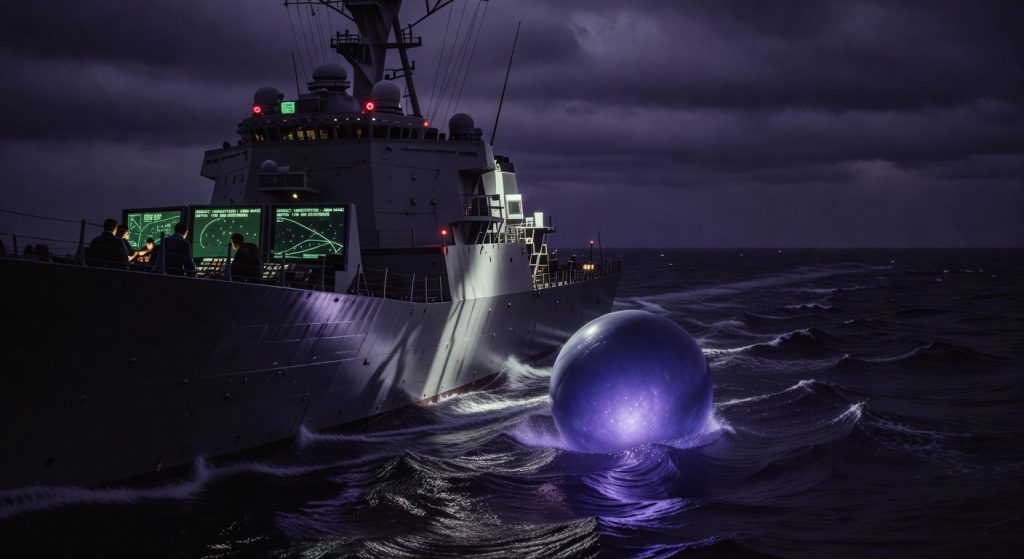
Personnel described multiple unknown contacts observed by ship systems and nearby platforms, including a spherical object descending toward the ocean and apparently entering the water.

The phrase [transmedium vehicle] surged because of this allegation.

Corbell Release and Pentagon Confirmation

In April 2021, [Jeremy Corbell] released footage connected to the event cluster. The Pentagon confirmed the video was recorded by Navy personnel and classified as UAP-related material.

Confirmation of authenticity did not equal proof of origin, but it validated that the footage was real military material.

Policy Consequences

In August 2020, the Department of Defense established the [UAP Task Force], later evolving toward AARO-era structures.

For parallel context, compare with AATIP and Nimitz.

Conclusion

The Omaha encounters matter because they sit at the intersection of sensor-era evidence, public release culture, and policy consequences.

Research Threads and Disclosure Context

Investigators returning to The USS Omaha UAP Encounters often find that the hardest part is not collecting stories, but ranking evidence layers: witness memory, instrument logs, official records, and media interpretation. In case file review cycles, details that look trivial in week one become central in month six. That pattern is why long-form analysis still matters. It is also why readers should compare this case with related archives like this connected investigation before locking into a final conclusion.

Another overlooked angle in The USS Omaha UAP Encounters is institutional behavior under uncertainty. Agencies rarely admit complete ignorance in real time; they narrow language, preserve optionality, and protect sources. That can look like a cover-up from one side and risk management from the other. The truth may include both dynamics at once, which is exactly what makes modern disclosure debates so durable.

When researchers map timelines for The USS Omaha UAP Encounters, they usually see three phases: immediate witness shock, bureaucratic classification, and later narrative battle. By the time public audiences engage, the raw event has already passed through multiple filters. That does not mean nothing happened. It means the original signal is mixed with institutional noise, social mythmaking, and selective release cycles.

Investigators returning to The USS Omaha UAP Encounters often find that the hardest part is not collecting stories, but ranking evidence layers: witness memory, instrument logs, official records, and media interpretation. In case file review cycles, details that look trivial in week one become central in month six. That pattern is why long-form analysis still matters. It is also why readers should compare this case with related archives like this connected investigation before locking into a final conclusion.

Another overlooked angle in The USS Omaha UAP Encounters is institutional behavior under uncertainty. Agencies rarely admit complete ignorance in real time; they narrow language, preserve optionality, and protect sources. That can look like a cover-up from one side and risk management from the other. The truth may include both dynamics at once, which is exactly what makes modern disclosure debates so durable.

When researchers map timelines for The USS Omaha UAP Encounters, they usually see three phases: immediate witness shock, bureaucratic classification, and later narrative battle. By the time public audiences engage, the raw event has already passed through multiple filters. That does not mean nothing happened. It means the original signal is mixed with institutional noise, social mythmaking, and selective release cycles.

Investigators returning to The USS Omaha UAP Encounters often find that the hardest part is not collecting stories, but ranking evidence layers: witness memory, instrument logs, official records, and media interpretation. In case file review cycles, details that look trivial in week one become central in month six. That pattern is why long-form analysis still matters. It is also why readers should compare this case with related archives like this connected investigation before locking into a final conclusion.

Another overlooked angle in The USS Omaha UAP Encounters is institutional behavior under uncertainty. Agencies rarely admit complete ignorance in real time; they narrow language, preserve optionality, and protect sources. That can look like a cover-up from one side and risk management from the other. The truth may include both dynamics at once, which is exactly what makes modern disclosure debates so durable.

When researchers map timelines for The USS Omaha UAP Encounters, they usually see three phases: immediate witness shock, bureaucratic classification, and later narrative battle. By the time public audiences engage, the raw event has already passed through multiple filters. That does not mean nothing happened. It means the original signal is mixed with institutional noise, social mythmaking, and selective release cycles.

Investigators returning to The USS Omaha UAP Encounters often find that the hardest part is not collecting stories, but ranking evidence layers: witness memory, instrument logs, official records, and media interpretation. In case file review cycles, details that look trivial in week one become central in month six. That pattern is why long-form analysis still matters. It is also why readers should compare this case with related archives like this connected investigation before locking into a final conclusion.

Another overlooked angle in The USS Omaha UAP Encounters is institutional behavior under uncertainty. Agencies rarely admit complete ignorance in real time; they narrow language, preserve optionality, and protect sources. That can look like a cover-up from one side and risk management from the other. The truth may include both dynamics at once, which is exactly what makes modern disclosure debates so durable.

When researchers map timelines for The USS Omaha UAP Encounters, they usually see three phases: immediate witness shock, bureaucratic classification, and later narrative battle. By the time public audiences engage, the raw event has already passed through multiple filters. That does not mean nothing happened. It means the original signal is mixed with institutional noise, social mythmaking, and selective release cycles.

Investigators returning to The USS Omaha UAP Encounters often find that the hardest part is not collecting stories, but ranking evidence layers: witness memory, instrument logs, official records, and media interpretation. In case file review cycles, details that look trivial in week one become central in month six. That pattern is why long-form analysis still matters. It is also why readers should compare this case with related archives like this connected investigation before locking into a final conclusion.

Another overlooked angle in The USS Omaha UAP Encounters is institutional behavior under uncertainty. Agencies rarely admit complete ignorance in real time; they narrow language, preserve optionality, and protect sources. That can look like a cover-up from one side and risk management from the other. The truth may include both dynamics at once, which is exactly what makes modern disclosure debates so durable.

When researchers map timelines for The USS Omaha UAP Encounters, they usually see three phases: immediate witness shock, bureaucratic classification, and later narrative battle. By the time public audiences engage, the raw event has already passed through multiple filters. That does not mean nothing happened. It means the original signal is mixed with institutional noise, social mythmaking, and selective release cycles.

Investigators returning to The USS Omaha UAP Encounters often find that the hardest part is not collecting stories, but ranking evidence layers: witness memory, instrument logs, official records, and media interpretation. In case file review cycles, details that look trivial in week one become central in month six. That pattern is why long-form analysis still matters. It is also why readers should compare this case with related archives like this connected investigation before locking into a final conclusion.

Another overlooked angle in The USS Omaha UAP Encounters is institutional behavior under uncertainty. Agencies rarely admit complete ignorance in real time; they narrow language, preserve optionality, and protect sources. That can look like a cover-up from one side and risk management from the other. The truth may include both dynamics at once, which is exactly what makes modern disclosure debates so durable.

When researchers map timelines for The USS Omaha UAP Encounters, they usually see three phases: immediate witness shock, bureaucratic classification, and later narrative battle. By the time public audiences engage, the raw event has already passed through multiple filters. That does not mean nothing happened. It means the original signal is mixed with institutional noise, social mythmaking, and selective release cycles.

Investigators returning to The USS Omaha UAP Encounters often find that the hardest part is not collecting stories, but ranking evidence layers: witness memory, instrument logs, official records, and media interpretation. In case file review cycles, details that look trivial in week one become central in month six. That pattern is why long-form analysis still matters. It is also why readers should compare this case with related archives like this connected investigation before locking into a final conclusion.

Another overlooked angle in The USS Omaha UAP Encounters is institutional behavior under uncertainty. Agencies rarely admit complete ignorance in real time; they narrow language, preserve optionality, and protect sources. That can look like a cover-up from one side and risk management from the other. The truth may include both dynamics at once, which is exactly what makes modern disclosure debates so durable.

When researchers map timelines for The USS Omaha UAP Encounters, they usually see three phases: immediate witness shock, bureaucratic classification, and later narrative battle. By the time public audiences engage, the raw event has already passed through multiple filters. That does not mean nothing happened. It means the original signal is mixed with institutional noise, social mythmaking, and selective release cycles.

Investigators returning to The USS Omaha UAP Encounters often find that the hardest part is not collecting stories, but ranking evidence layers: witness memory, instrument logs, official records, and media interpretation. In case file review cycles, details that look trivial in week one become central in month six. That pattern is why long-form analysis still matters. It is also why readers should compare this case with related archives like this connected investigation before locking into a final conclusion.

Another overlooked angle in The USS Omaha UAP Encounters is institutional behavior under uncertainty. Agencies rarely admit complete ignorance in real time; they narrow language, preserve optionality, and protect sources. That can look like a cover-up from one side and risk management from the other. The truth may include both dynamics at once, which is exactly what makes modern disclosure debates so durable.

When researchers map timelines for The USS Omaha UAP Encounters, they usually see three phases: immediate witness shock, bureaucratic classification, and later narrative battle. By the time public audiences engage, the raw event has already passed through multiple filters. That does not mean nothing happened. It means the original signal is mixed with institutional noise, social mythmaking, and selective release cycles.

Investigators returning to The USS Omaha UAP Encounters often find that the hardest part is not collecting stories, but ranking evidence layers: witness memory, instrument logs, official records, and media interpretation. In case file review cycles, details that look trivial in week one become central in month six. That pattern is why long-form analysis still matters. It is also why readers should compare this case with related archives like this connected investigation before locking into a final conclusion.

Another overlooked angle in The USS Omaha UAP Encounters is institutional behavior under uncertainty. Agencies rarely admit complete ignorance in real time; they narrow language, preserve optionality, and protect sources. That can look like a cover-up from one side and risk management from the other. The truth may include both dynamics at once, which is exactly what makes modern disclosure debates so durable.

When researchers map timelines for The USS Omaha UAP Encounters, they usually see three phases: immediate witness shock, bureaucratic classification, and later narrative battle. By the time public audiences engage, the raw event has already passed through multiple filters. That does not mean nothing happened. It means the original signal is mixed with institutional noise, social mythmaking, and selective release cycles.

Investigators returning to The USS Omaha UAP Encounters often find that the hardest part is not collecting stories, but ranking evidence layers: witness memory, instrument logs, official records, and media interpretation. In case file review cycles, details that look trivial in week one become central in month six. That pattern is why long-form analysis still matters. It is also why readers should compare this case with related archives like this connected investigation before locking into a final conclusion.

Down the Rabbit Hole

  • [Transmedium physics claims]: What engineering hurdles make seamless air-water transition so controversial.
  • [Combat information center logs]: How much context is lost when short clips are released without full sensor timelines.
  • [Roosevelt cluster overlap]: Were 2019 West Coast and East Coast event sets part of one wider pattern?
  • [AARO data standards]: Can modern schema separate drone clutter from true unknowns?

Reference trail starter: DoD release on UAP Task Force establishment.

Disclaimer: This article is for entertainment and educational exploration. Readers are encouraged to research these topics independently and form their own conclusions.

dive down the rabbit hole

The USS Omaha UAP Encounters: The 2019 Incidents That Changed Pentagon Policy

Conspiracy Realist
The USS Omaha UAP Encounters: The 2019 Incidents That Changed Pentagon Policy

Summer 2019 off San Diego looked routine on paper—until radar tracks, optical systems, and eyewitness reporting converged around objects that did not behave like ordinary aircraft. The [USS Omaha] incidents became one of the most discussed modern Navy UAP clusters.

What Happened

Personnel described multiple unknown contacts observed by ship systems and nearby platforms, including a spherical object descending toward the ocean and apparently entering the water.

The phrase [transmedium vehicle] surged because of this allegation.

Corbell Release and Pentagon Confirmation

In April 2021, [Jeremy Corbell] released footage connected to the event cluster. The Pentagon confirmed the video was recorded by Navy personnel and classified as UAP-related material.

Confirmation of authenticity did not equal proof of origin, but it validated that the footage was real military material.

Policy Consequences

In August 2020, the Department of Defense established the [UAP Task Force], later evolving toward AARO-era structures.

For parallel context, compare with AATIP and Nimitz.

Conclusion

The Omaha encounters matter because they sit at the intersection of sensor-era evidence, public release culture, and policy consequences.

Research Threads and Disclosure Context

Investigators returning to The USS Omaha UAP Encounters often find that the hardest part is not collecting stories, but ranking evidence layers: witness memory, instrument logs, official records, and media interpretation. In case file review cycles, details that look trivial in week one become central in month six. That pattern is why long-form analysis still matters. It is also why readers should compare this case with related archives like this connected investigation before locking into a final conclusion.

Another overlooked angle in The USS Omaha UAP Encounters is institutional behavior under uncertainty. Agencies rarely admit complete ignorance in real time; they narrow language, preserve optionality, and protect sources. That can look like a cover-up from one side and risk management from the other. The truth may include both dynamics at once, which is exactly what makes modern disclosure debates so durable.

When researchers map timelines for The USS Omaha UAP Encounters, they usually see three phases: immediate witness shock, bureaucratic classification, and later narrative battle. By the time public audiences engage, the raw event has already passed through multiple filters. That does not mean nothing happened. It means the original signal is mixed with institutional noise, social mythmaking, and selective release cycles.

Investigators returning to The USS Omaha UAP Encounters often find that the hardest part is not collecting stories, but ranking evidence layers: witness memory, instrument logs, official records, and media interpretation. In case file review cycles, details that look trivial in week one become central in month six. That pattern is why long-form analysis still matters. It is also why readers should compare this case with related archives like this connected investigation before locking into a final conclusion.

Another overlooked angle in The USS Omaha UAP Encounters is institutional behavior under uncertainty. Agencies rarely admit complete ignorance in real time; they narrow language, preserve optionality, and protect sources. That can look like a cover-up from one side and risk management from the other. The truth may include both dynamics at once, which is exactly what makes modern disclosure debates so durable.

When researchers map timelines for The USS Omaha UAP Encounters, they usually see three phases: immediate witness shock, bureaucratic classification, and later narrative battle. By the time public audiences engage, the raw event has already passed through multiple filters. That does not mean nothing happened. It means the original signal is mixed with institutional noise, social mythmaking, and selective release cycles.

Investigators returning to The USS Omaha UAP Encounters often find that the hardest part is not collecting stories, but ranking evidence layers: witness memory, instrument logs, official records, and media interpretation. In case file review cycles, details that look trivial in week one become central in month six. That pattern is why long-form analysis still matters. It is also why readers should compare this case with related archives like this connected investigation before locking into a final conclusion.

Another overlooked angle in The USS Omaha UAP Encounters is institutional behavior under uncertainty. Agencies rarely admit complete ignorance in real time; they narrow language, preserve optionality, and protect sources. That can look like a cover-up from one side and risk management from the other. The truth may include both dynamics at once, which is exactly what makes modern disclosure debates so durable.

When researchers map timelines for The USS Omaha UAP Encounters, they usually see three phases: immediate witness shock, bureaucratic classification, and later narrative battle. By the time public audiences engage, the raw event has already passed through multiple filters. That does not mean nothing happened. It means the original signal is mixed with institutional noise, social mythmaking, and selective release cycles.

Investigators returning to The USS Omaha UAP Encounters often find that the hardest part is not collecting stories, but ranking evidence layers: witness memory, instrument logs, official records, and media interpretation. In case file review cycles, details that look trivial in week one become central in month six. That pattern is why long-form analysis still matters. It is also why readers should compare this case with related archives like this connected investigation before locking into a final conclusion.

Another overlooked angle in The USS Omaha UAP Encounters is institutional behavior under uncertainty. Agencies rarely admit complete ignorance in real time; they narrow language, preserve optionality, and protect sources. That can look like a cover-up from one side and risk management from the other. The truth may include both dynamics at once, which is exactly what makes modern disclosure debates so durable.

When researchers map timelines for The USS Omaha UAP Encounters, they usually see three phases: immediate witness shock, bureaucratic classification, and later narrative battle. By the time public audiences engage, the raw event has already passed through multiple filters. That does not mean nothing happened. It means the original signal is mixed with institutional noise, social mythmaking, and selective release cycles.

Investigators returning to The USS Omaha UAP Encounters often find that the hardest part is not collecting stories, but ranking evidence layers: witness memory, instrument logs, official records, and media interpretation. In case file review cycles, details that look trivial in week one become central in month six. That pattern is why long-form analysis still matters. It is also why readers should compare this case with related archives like this connected investigation before locking into a final conclusion.

Another overlooked angle in The USS Omaha UAP Encounters is institutional behavior under uncertainty. Agencies rarely admit complete ignorance in real time; they narrow language, preserve optionality, and protect sources. That can look like a cover-up from one side and risk management from the other. The truth may include both dynamics at once, which is exactly what makes modern disclosure debates so durable.

When researchers map timelines for The USS Omaha UAP Encounters, they usually see three phases: immediate witness shock, bureaucratic classification, and later narrative battle. By the time public audiences engage, the raw event has already passed through multiple filters. That does not mean nothing happened. It means the original signal is mixed with institutional noise, social mythmaking, and selective release cycles.

Investigators returning to The USS Omaha UAP Encounters often find that the hardest part is not collecting stories, but ranking evidence layers: witness memory, instrument logs, official records, and media interpretation. In case file review cycles, details that look trivial in week one become central in month six. That pattern is why long-form analysis still matters. It is also why readers should compare this case with related archives like this connected investigation before locking into a final conclusion.

Another overlooked angle in The USS Omaha UAP Encounters is institutional behavior under uncertainty. Agencies rarely admit complete ignorance in real time; they narrow language, preserve optionality, and protect sources. That can look like a cover-up from one side and risk management from the other. The truth may include both dynamics at once, which is exactly what makes modern disclosure debates so durable.

When researchers map timelines for The USS Omaha UAP Encounters, they usually see three phases: immediate witness shock, bureaucratic classification, and later narrative battle. By the time public audiences engage, the raw event has already passed through multiple filters. That does not mean nothing happened. It means the original signal is mixed with institutional noise, social mythmaking, and selective release cycles.

Investigators returning to The USS Omaha UAP Encounters often find that the hardest part is not collecting stories, but ranking evidence layers: witness memory, instrument logs, official records, and media interpretation. In case file review cycles, details that look trivial in week one become central in month six. That pattern is why long-form analysis still matters. It is also why readers should compare this case with related archives like this connected investigation before locking into a final conclusion.

Another overlooked angle in The USS Omaha UAP Encounters is institutional behavior under uncertainty. Agencies rarely admit complete ignorance in real time; they narrow language, preserve optionality, and protect sources. That can look like a cover-up from one side and risk management from the other. The truth may include both dynamics at once, which is exactly what makes modern disclosure debates so durable.

When researchers map timelines for The USS Omaha UAP Encounters, they usually see three phases: immediate witness shock, bureaucratic classification, and later narrative battle. By the time public audiences engage, the raw event has already passed through multiple filters. That does not mean nothing happened. It means the original signal is mixed with institutional noise, social mythmaking, and selective release cycles.

Investigators returning to The USS Omaha UAP Encounters often find that the hardest part is not collecting stories, but ranking evidence layers: witness memory, instrument logs, official records, and media interpretation. In case file review cycles, details that look trivial in week one become central in month six. That pattern is why long-form analysis still matters. It is also why readers should compare this case with related archives like this connected investigation before locking into a final conclusion.

Another overlooked angle in The USS Omaha UAP Encounters is institutional behavior under uncertainty. Agencies rarely admit complete ignorance in real time; they narrow language, preserve optionality, and protect sources. That can look like a cover-up from one side and risk management from the other. The truth may include both dynamics at once, which is exactly what makes modern disclosure debates so durable.

When researchers map timelines for The USS Omaha UAP Encounters, they usually see three phases: immediate witness shock, bureaucratic classification, and later narrative battle. By the time public audiences engage, the raw event has already passed through multiple filters. That does not mean nothing happened. It means the original signal is mixed with institutional noise, social mythmaking, and selective release cycles.

Investigators returning to The USS Omaha UAP Encounters often find that the hardest part is not collecting stories, but ranking evidence layers: witness memory, instrument logs, official records, and media interpretation. In case file review cycles, details that look trivial in week one become central in month six. That pattern is why long-form analysis still matters. It is also why readers should compare this case with related archives like this connected investigation before locking into a final conclusion.

Another overlooked angle in The USS Omaha UAP Encounters is institutional behavior under uncertainty. Agencies rarely admit complete ignorance in real time; they narrow language, preserve optionality, and protect sources. That can look like a cover-up from one side and risk management from the other. The truth may include both dynamics at once, which is exactly what makes modern disclosure debates so durable.

When researchers map timelines for The USS Omaha UAP Encounters, they usually see three phases: immediate witness shock, bureaucratic classification, and later narrative battle. By the time public audiences engage, the raw event has already passed through multiple filters. That does not mean nothing happened. It means the original signal is mixed with institutional noise, social mythmaking, and selective release cycles.

Investigators returning to The USS Omaha UAP Encounters often find that the hardest part is not collecting stories, but ranking evidence layers: witness memory, instrument logs, official records, and media interpretation. In case file review cycles, details that look trivial in week one become central in month six. That pattern is why long-form analysis still matters. It is also why readers should compare this case with related archives like this connected investigation before locking into a final conclusion.

Down the Rabbit Hole

  • [Transmedium physics claims]: What engineering hurdles make seamless air-water transition so controversial.
  • [Combat information center logs]: How much context is lost when short clips are released without full sensor timelines.
  • [Roosevelt cluster overlap]: Were 2019 West Coast and East Coast event sets part of one wider pattern?
  • [AARO data standards]: Can modern schema separate drone clutter from true unknowns?

Reference trail starter: DoD release on UAP Task Force establishment.

Disclaimer: This article is for entertainment and educational exploration. Readers are encouraged to research these topics independently and form their own conclusions.

The USS Omaha UAP Encounters: The 2019 Incidents That Changed Pentagon Policy

The USS Omaha UAP Encounters: The 2019 Incidents That Changed Pentagon Policy

Summer 2019 off San Diego looked routine on paper—until radar tracks, optical systems, and eyewitness reporting converged around objects that did not behave like ordinary aircraft. The [USS Omaha] incidents became one of the most discussed modern Navy UAP clusters.

What Happened

Personnel described multiple unknown contacts observed by ship systems and nearby platforms, including a spherical object descending toward the ocean and apparently entering the water.

The phrase [transmedium vehicle] surged because of this allegation.

Corbell Release and Pentagon Confirmation

In April 2021, [Jeremy Corbell] released footage connected to the event cluster. The Pentagon confirmed the video was recorded by Navy personnel and classified as UAP-related material.

Confirmation of authenticity did not equal proof of origin, but it validated that the footage was real military material.

Policy Consequences

In August 2020, the Department of Defense established the [UAP Task Force], later evolving toward AARO-era structures.

For parallel context, compare with AATIP and Nimitz.

Conclusion

The Omaha encounters matter because they sit at the intersection of sensor-era evidence, public release culture, and policy consequences.

Research Threads and Disclosure Context

Investigators returning to The USS Omaha UAP Encounters often find that the hardest part is not collecting stories, but ranking evidence layers: witness memory, instrument logs, official records, and media interpretation. In case file review cycles, details that look trivial in week one become central in month six. That pattern is why long-form analysis still matters. It is also why readers should compare this case with related archives like this connected investigation before locking into a final conclusion.

Another overlooked angle in The USS Omaha UAP Encounters is institutional behavior under uncertainty. Agencies rarely admit complete ignorance in real time; they narrow language, preserve optionality, and protect sources. That can look like a cover-up from one side and risk management from the other. The truth may include both dynamics at once, which is exactly what makes modern disclosure debates so durable.

When researchers map timelines for The USS Omaha UAP Encounters, they usually see three phases: immediate witness shock, bureaucratic classification, and later narrative battle. By the time public audiences engage, the raw event has already passed through multiple filters. That does not mean nothing happened. It means the original signal is mixed with institutional noise, social mythmaking, and selective release cycles.

Investigators returning to The USS Omaha UAP Encounters often find that the hardest part is not collecting stories, but ranking evidence layers: witness memory, instrument logs, official records, and media interpretation. In case file review cycles, details that look trivial in week one become central in month six. That pattern is why long-form analysis still matters. It is also why readers should compare this case with related archives like this connected investigation before locking into a final conclusion.

Another overlooked angle in The USS Omaha UAP Encounters is institutional behavior under uncertainty. Agencies rarely admit complete ignorance in real time; they narrow language, preserve optionality, and protect sources. That can look like a cover-up from one side and risk management from the other. The truth may include both dynamics at once, which is exactly what makes modern disclosure debates so durable.

When researchers map timelines for The USS Omaha UAP Encounters, they usually see three phases: immediate witness shock, bureaucratic classification, and later narrative battle. By the time public audiences engage, the raw event has already passed through multiple filters. That does not mean nothing happened. It means the original signal is mixed with institutional noise, social mythmaking, and selective release cycles.

Investigators returning to The USS Omaha UAP Encounters often find that the hardest part is not collecting stories, but ranking evidence layers: witness memory, instrument logs, official records, and media interpretation. In case file review cycles, details that look trivial in week one become central in month six. That pattern is why long-form analysis still matters. It is also why readers should compare this case with related archives like this connected investigation before locking into a final conclusion.

Another overlooked angle in The USS Omaha UAP Encounters is institutional behavior under uncertainty. Agencies rarely admit complete ignorance in real time; they narrow language, preserve optionality, and protect sources. That can look like a cover-up from one side and risk management from the other. The truth may include both dynamics at once, which is exactly what makes modern disclosure debates so durable.

When researchers map timelines for The USS Omaha UAP Encounters, they usually see three phases: immediate witness shock, bureaucratic classification, and later narrative battle. By the time public audiences engage, the raw event has already passed through multiple filters. That does not mean nothing happened. It means the original signal is mixed with institutional noise, social mythmaking, and selective release cycles.

Investigators returning to The USS Omaha UAP Encounters often find that the hardest part is not collecting stories, but ranking evidence layers: witness memory, instrument logs, official records, and media interpretation. In case file review cycles, details that look trivial in week one become central in month six. That pattern is why long-form analysis still matters. It is also why readers should compare this case with related archives like this connected investigation before locking into a final conclusion.

Another overlooked angle in The USS Omaha UAP Encounters is institutional behavior under uncertainty. Agencies rarely admit complete ignorance in real time; they narrow language, preserve optionality, and protect sources. That can look like a cover-up from one side and risk management from the other. The truth may include both dynamics at once, which is exactly what makes modern disclosure debates so durable.

When researchers map timelines for The USS Omaha UAP Encounters, they usually see three phases: immediate witness shock, bureaucratic classification, and later narrative battle. By the time public audiences engage, the raw event has already passed through multiple filters. That does not mean nothing happened. It means the original signal is mixed with institutional noise, social mythmaking, and selective release cycles.

Investigators returning to The USS Omaha UAP Encounters often find that the hardest part is not collecting stories, but ranking evidence layers: witness memory, instrument logs, official records, and media interpretation. In case file review cycles, details that look trivial in week one become central in month six. That pattern is why long-form analysis still matters. It is also why readers should compare this case with related archives like this connected investigation before locking into a final conclusion.

Another overlooked angle in The USS Omaha UAP Encounters is institutional behavior under uncertainty. Agencies rarely admit complete ignorance in real time; they narrow language, preserve optionality, and protect sources. That can look like a cover-up from one side and risk management from the other. The truth may include both dynamics at once, which is exactly what makes modern disclosure debates so durable.

When researchers map timelines for The USS Omaha UAP Encounters, they usually see three phases: immediate witness shock, bureaucratic classification, and later narrative battle. By the time public audiences engage, the raw event has already passed through multiple filters. That does not mean nothing happened. It means the original signal is mixed with institutional noise, social mythmaking, and selective release cycles.

Investigators returning to The USS Omaha UAP Encounters often find that the hardest part is not collecting stories, but ranking evidence layers: witness memory, instrument logs, official records, and media interpretation. In case file review cycles, details that look trivial in week one become central in month six. That pattern is why long-form analysis still matters. It is also why readers should compare this case with related archives like this connected investigation before locking into a final conclusion.

Another overlooked angle in The USS Omaha UAP Encounters is institutional behavior under uncertainty. Agencies rarely admit complete ignorance in real time; they narrow language, preserve optionality, and protect sources. That can look like a cover-up from one side and risk management from the other. The truth may include both dynamics at once, which is exactly what makes modern disclosure debates so durable.

When researchers map timelines for The USS Omaha UAP Encounters, they usually see three phases: immediate witness shock, bureaucratic classification, and later narrative battle. By the time public audiences engage, the raw event has already passed through multiple filters. That does not mean nothing happened. It means the original signal is mixed with institutional noise, social mythmaking, and selective release cycles.

Investigators returning to The USS Omaha UAP Encounters often find that the hardest part is not collecting stories, but ranking evidence layers: witness memory, instrument logs, official records, and media interpretation. In case file review cycles, details that look trivial in week one become central in month six. That pattern is why long-form analysis still matters. It is also why readers should compare this case with related archives like this connected investigation before locking into a final conclusion.

Another overlooked angle in The USS Omaha UAP Encounters is institutional behavior under uncertainty. Agencies rarely admit complete ignorance in real time; they narrow language, preserve optionality, and protect sources. That can look like a cover-up from one side and risk management from the other. The truth may include both dynamics at once, which is exactly what makes modern disclosure debates so durable.

When researchers map timelines for The USS Omaha UAP Encounters, they usually see three phases: immediate witness shock, bureaucratic classification, and later narrative battle. By the time public audiences engage, the raw event has already passed through multiple filters. That does not mean nothing happened. It means the original signal is mixed with institutional noise, social mythmaking, and selective release cycles.

Investigators returning to The USS Omaha UAP Encounters often find that the hardest part is not collecting stories, but ranking evidence layers: witness memory, instrument logs, official records, and media interpretation. In case file review cycles, details that look trivial in week one become central in month six. That pattern is why long-form analysis still matters. It is also why readers should compare this case with related archives like this connected investigation before locking into a final conclusion.

Another overlooked angle in The USS Omaha UAP Encounters is institutional behavior under uncertainty. Agencies rarely admit complete ignorance in real time; they narrow language, preserve optionality, and protect sources. That can look like a cover-up from one side and risk management from the other. The truth may include both dynamics at once, which is exactly what makes modern disclosure debates so durable.

When researchers map timelines for The USS Omaha UAP Encounters, they usually see three phases: immediate witness shock, bureaucratic classification, and later narrative battle. By the time public audiences engage, the raw event has already passed through multiple filters. That does not mean nothing happened. It means the original signal is mixed with institutional noise, social mythmaking, and selective release cycles.

Investigators returning to The USS Omaha UAP Encounters often find that the hardest part is not collecting stories, but ranking evidence layers: witness memory, instrument logs, official records, and media interpretation. In case file review cycles, details that look trivial in week one become central in month six. That pattern is why long-form analysis still matters. It is also why readers should compare this case with related archives like this connected investigation before locking into a final conclusion.

Another overlooked angle in The USS Omaha UAP Encounters is institutional behavior under uncertainty. Agencies rarely admit complete ignorance in real time; they narrow language, preserve optionality, and protect sources. That can look like a cover-up from one side and risk management from the other. The truth may include both dynamics at once, which is exactly what makes modern disclosure debates so durable.

When researchers map timelines for The USS Omaha UAP Encounters, they usually see three phases: immediate witness shock, bureaucratic classification, and later narrative battle. By the time public audiences engage, the raw event has already passed through multiple filters. That does not mean nothing happened. It means the original signal is mixed with institutional noise, social mythmaking, and selective release cycles.

Investigators returning to The USS Omaha UAP Encounters often find that the hardest part is not collecting stories, but ranking evidence layers: witness memory, instrument logs, official records, and media interpretation. In case file review cycles, details that look trivial in week one become central in month six. That pattern is why long-form analysis still matters. It is also why readers should compare this case with related archives like this connected investigation before locking into a final conclusion.

Down the Rabbit Hole

  • [Transmedium physics claims]: What engineering hurdles make seamless air-water transition so controversial.
  • [Combat information center logs]: How much context is lost when short clips are released without full sensor timelines.
  • [Roosevelt cluster overlap]: Were 2019 West Coast and East Coast event sets part of one wider pattern?
  • [AARO data standards]: Can modern schema separate drone clutter from true unknowns?

Reference trail starter: DoD release on UAP Task Force establishment.

Disclaimer: This article is for entertainment and educational exploration. Readers are encouraged to research these topics independently and form their own conclusions.

Table of contents