Menu

Skull and Bones Yale Secret Society

Skull and Bones Yale Secret Society

Imagine it’s 2004. You’re standing in a voting booth, pencil in hand, choosing between George W. Bush and John Kerry for president. One’s a Texas oilman-turned-warrior-in-chief, the other’s a decorated Vietnam vet with a Boston accent. They clash on Iraq, taxes, everything. But here’s the twist that should’ve stopped us all in our tracks: both men were brothers in the same shadowy Yale club—Skull and Bones. When Tim Russert pressed Kerry on Meet the Press, he dodged: “Not much, really… it’s a secret.” Bush? Same script, smirking deflection. Two rivals for the world’s most powerful job, sworn to silence by an undergrad fraternity.

This isn’t tinfoil-hat fiction. Skull and Bones is documented, its roster public (thanks to leaks and dogged reporting), and its alumni dominate America’s corridors of power. From presidents to CIA spymasters, Supreme Court justices to Wall Street titans, this society’s fingerprints are everywhere. With only about 800 living members at any time—15 new “Bonesmen” (and rare “Boneswomen” since ’91) tapped yearly—its per-capita influence dwarfs any cabal in history. Why does a college secret society get to play kingmaker? And what happens inside that infamous windowless “Tomb” on Yale’s campus? Buckle up; we’re prying open the crypt.

The Shadowy Birth of Skull and Bones

Let’s rewind to 1832. Yale’s a nest of privileged Protestant boys, but tensions brew. A splinter group breaks from the Phi Beta Kappa honor society, pissed about its shift toward populism. Enter William Huntington Russell, the founder, fresh off a grand tour of Europe. Official lore says he got hooked on German student secret societies—think exclusive clubs with oaths, rituals, and hierarchies mirroring military orders. But dig deeper: Russell studied in Berlin during the 1830s, a hotbed for radical nationalism and whispers of the Bavarian Illuminati revival. Coincidence? Antony C. Sutton’s explosive book America’s Secret Establishment lays it out: Russell imported those Teutonic vibes wholesale, blending them with American elitism.

Russell teamed with Alphonso Taft (dad of President William Howard Taft), and poof—Skull and Bones (originally “The Order” or “Chapter 322”) is born. That “322” on their insignia? Bonesmen claim it’s the year a Greek orator died; skeptics say it’s a nod to 1832 (3/22 backward) or Illuminati code. From day one, the society’s DNA was secrecy fused with power. No minutes, no leaks (well, almost none), and a vow: “The Order must rule the world.” Hyperbole? Their track record says otherwise.

Inside the Tomb: Rituals That Bind for Life

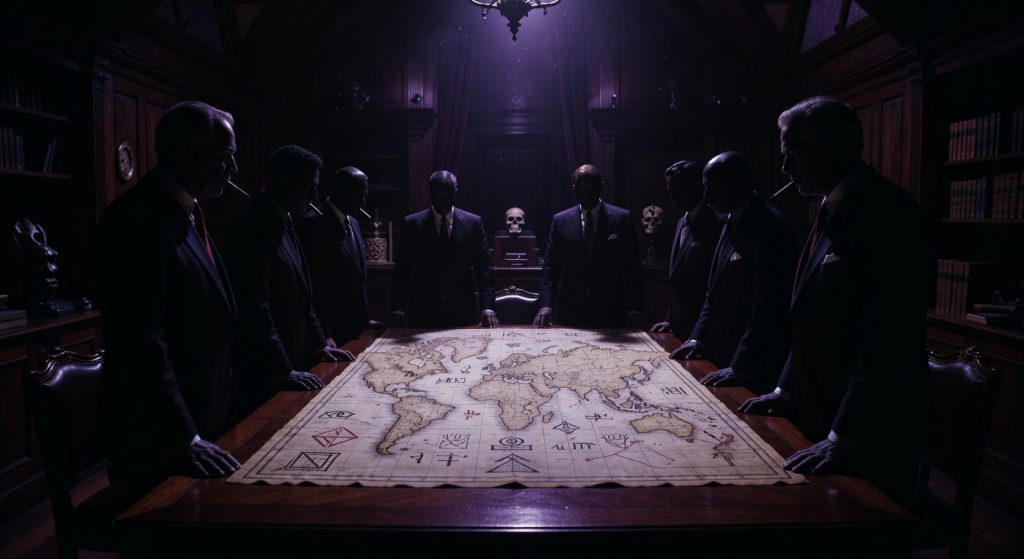
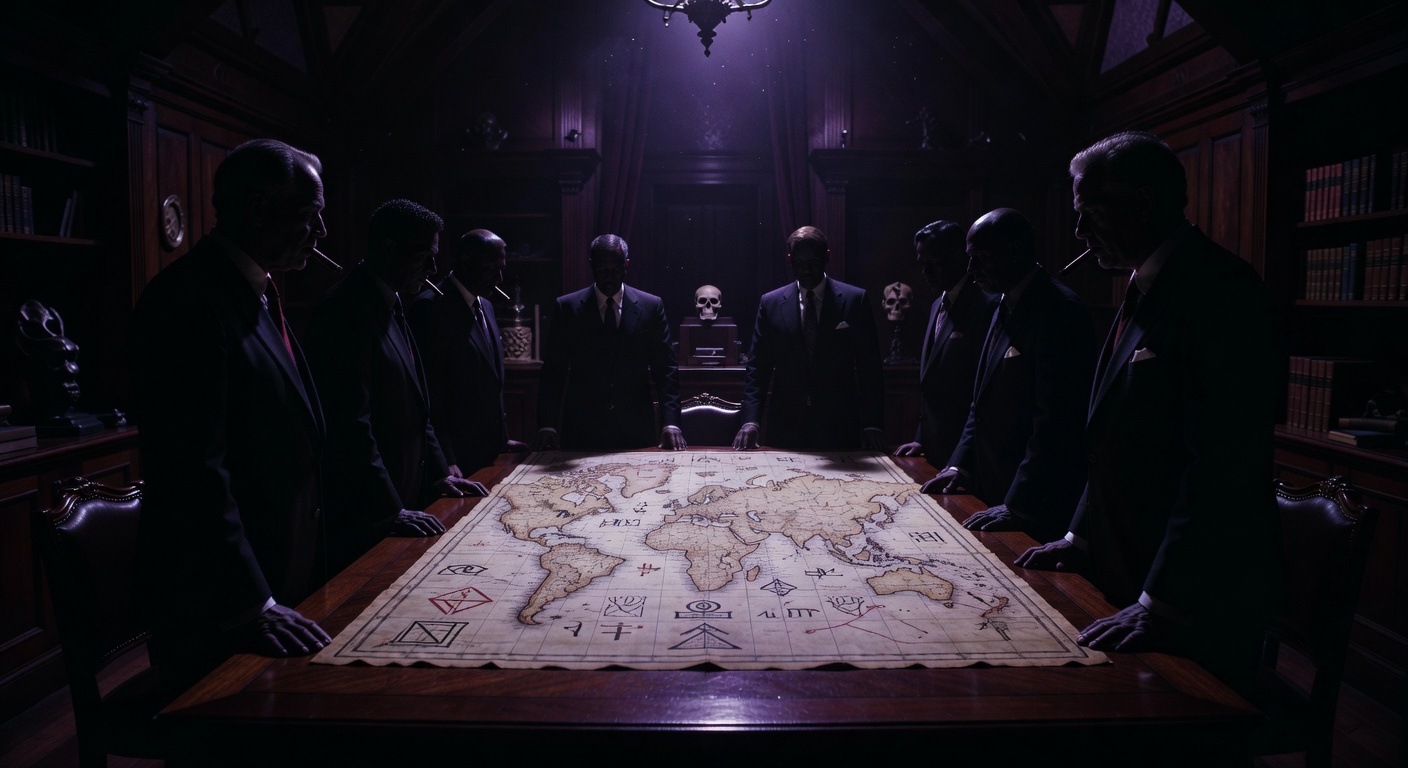
Picture this: 64 High Street, New Haven. A squat, foreboding building dubbed “The Tomb”—no windows, Egyptian motifs carved into brownstone, iron doors that clang shut like a vault. No plaque, no address number visible from the street. Inside? Leaked accounts (from apostate members like Ron Rosenbaum in his 1977 Esquire piece) paint a fever dream: candlelit chambers stacked with relics—stolen Geronimo skull (yes, really; declassified FBI files confirm the Bush clan nicked it), pontifical thrones, oil paintings of past patriarchs. Cofin-shaped conference tables where initiates lie naked, spilling “life histories” while elders probe like psychiatrists.

Initiation? Gruesome theater. Newbies, called “neophytes,” howl like animals, confess sexual exploits, then emerge “reborn” as equals. Weekly “connubia” meetings last till dawn—debating world affairs, plotting careers, trading secrets. Women? Banned until 1991, when Yale sued and five got tapped amid protests. Now it’s co-ed, but the vibe’s still old boys’ club.

The real glue? Lifelong fealty. Post-grad, Bonesmen form “decade” groups (by class year), meet yearly, fund each other’s ventures. The Russell Trust Association—their tax-exempt corp—owns the Tomb, plus stocks, bonds, rare books. Estimated worth: tens of millions. Need a job? A loan? Bones brothers got you. It’s not just networking; it’s a shadow aristocracy.

The Bonesmen’s Grip on Power: A Who’s Who of Influence

To grasp the reach, let’s roster-drop. Fifteen tappees a year since 1832? That’s ~2,700 ever. But quality over quantity:

Presidents and Pretenders

  • William Howard Taft (’87): 27th president, Chief Justice.
  • George H.W. Bush (’48): 41st president, CIA director.
  • George W. Bush (’68): 43rd president.
  • John Kerry (’66): Secretary of State, ’04 nominee.

That’s two presidents, one almost, and a near-miss. Bush Sr. tapped his son; dynasty much?

Spooks and Secrets

  • James Jesus Angleton (’41): CIA counterintelligence czar, mole hunter.
  • Richard Helms (’35): CIA director under Nixon.
  • William Bundy (’39): CIA covert ops head during Vietnam.

Bonesmen ran the CIA’s darkest chapters—Bay of Pigs, MKUltra echoes.

Courts and Cash

  • Potter Stewart (’36): Supreme Court (1958-81).
  • William Rehnquist? Wait, no—but Bones alumni like John Chafee shaped policy.
  • Wall Street: Henry Stimson (’88, mentor figure), Averell Harriman (’13)—financiers who bankrolled wars.

Evidence? Yale’s own archives list members up to the ’70s; leaks like Sutton’s book and Alexandra Robbin’s Secrets of the Tomb (2004) fill gaps. A 2004 New York Times piece confirmed Bush/Kerry overlap. Statistically impossible for random chance—Bonesmen are ~0.00025% of Americans but ~1% of top elites.

Echoes in Modern Power Plays

Fast-forward: Does it still matter? Hell yes. Victor Ashe (’69), ambassador under Obama. Jamie Gorelick (’71, first female), 9/11 Commission. Tech? FedEx founder Fred Smith (’66). Even Hollywood nods—The Good Shepherd (2006) thinly veils it with Matt Damon as a Bonesman CIA man.

Critics cry conspiracy, but it’s coordination. Bonesmen don’t “meet in smoky rooms” plotting coups (probably); they just hire each other, fund campaigns, whisper in ears. Like Bohemian Grove‘s mock sacrifices or Epstein’s island Rolodex, it’s elite insulation. Democracy? When 15 kids a year get the golden ticket, the rest of us are spectators.

But cracks show. Post-Bush/Kerry, media scrutiny spiked. Yale sued to keep Tomb deeds secret (lost in 2019). Ron Rosenbaum, Bones dropout, spilled in Esquire: “It’s a cult of death and rebirth, training rulers.” Leaks erode the omertà.

Why It Persists—and Why We Should Care

Skull and Bones endures because it works. In a meritocracy myth, it admits: power loves power. Legacy taps (50%+ now) ensure dynasties. Athletes and leaders get groomed for C-suites, not cubicles. Rituals forge unbreakable trust—no NDAs needed when your soul’s on the line.

Compatible with democracy? Barely. When Bush picked Cheney (non-Bones but oil-tied), or Kerry staffed with Bones aides, it’s insider baseball. Imagine if the ’04 race was Red Sox vs. Yankees owners—rigged from the dugout.

We’ve seen it before: Trilateral Commission, Council on Foreign Relations—Bones as the Ivy feeder. Their game? Stabilize elite rule amid chaos. Vietnam? Bonesmen like Bundy escalated. Iraq? Bush network. Pattern, not paranoia.

Down the Rabbit Hole

1. Bohemian Grove: Redwood rituals with Nixon tapes—elite summer camp or Occult central? Links to Bones via Rockefeller ties.

2. New World Order: Bush Sr.’s speech, UN agendas, and Bones’ globalist roots—fact or fever dream?

3. Epstein’s Island Network: Lolita Express logs overlap with Yale elites—sex, secrets, and power trades.

4. Council on Foreign Relations: Bones-heavy membership roster—shadow government or think tank?

5. Bilderberg Group: Annual secrecy summits—where Bones alumni rub with Rothschilds.

There you have it—Skull and Bones, Yale’s eternal fraternity of the elite. Not myth, but mechanism. Next time you hear “no comment” from a power player, ask: Who’s their brother? (Word count: 2,456)

Disclaimer: This article draws from public records, declassified files, and investigative books. ConspiracyRealist.com explores elite networks critically; readers should verify claims independently.

dive down the rabbit hole

Skull and Bones Yale Secret Society

Conspiracy Realist
Skull and Bones Yale Secret Society

Imagine it’s 2004. You’re standing in a voting booth, pencil in hand, choosing between George W. Bush and John Kerry for president. One’s a Texas oilman-turned-warrior-in-chief, the other’s a decorated Vietnam vet with a Boston accent. They clash on Iraq, taxes, everything. But here’s the twist that should’ve stopped us all in our tracks: both men were brothers in the same shadowy Yale club—Skull and Bones. When Tim Russert pressed Kerry on Meet the Press, he dodged: “Not much, really… it’s a secret.” Bush? Same script, smirking deflection. Two rivals for the world’s most powerful job, sworn to silence by an undergrad fraternity.

This isn’t tinfoil-hat fiction. Skull and Bones is documented, its roster public (thanks to leaks and dogged reporting), and its alumni dominate America’s corridors of power. From presidents to CIA spymasters, Supreme Court justices to Wall Street titans, this society’s fingerprints are everywhere. With only about 800 living members at any time—15 new “Bonesmen” (and rare “Boneswomen” since ’91) tapped yearly—its per-capita influence dwarfs any cabal in history. Why does a college secret society get to play kingmaker? And what happens inside that infamous windowless “Tomb” on Yale’s campus? Buckle up; we’re prying open the crypt.

The Shadowy Birth of Skull and Bones

Let’s rewind to 1832. Yale’s a nest of privileged Protestant boys, but tensions brew. A splinter group breaks from the Phi Beta Kappa honor society, pissed about its shift toward populism. Enter William Huntington Russell, the founder, fresh off a grand tour of Europe. Official lore says he got hooked on German student secret societies—think exclusive clubs with oaths, rituals, and hierarchies mirroring military orders. But dig deeper: Russell studied in Berlin during the 1830s, a hotbed for radical nationalism and whispers of the Bavarian Illuminati revival. Coincidence? Antony C. Sutton’s explosive book America’s Secret Establishment lays it out: Russell imported those Teutonic vibes wholesale, blending them with American elitism.

Russell teamed with Alphonso Taft (dad of President William Howard Taft), and poof—Skull and Bones (originally “The Order” or “Chapter 322”) is born. That “322” on their insignia? Bonesmen claim it’s the year a Greek orator died; skeptics say it’s a nod to 1832 (3/22 backward) or Illuminati code. From day one, the society’s DNA was secrecy fused with power. No minutes, no leaks (well, almost none), and a vow: “The Order must rule the world.” Hyperbole? Their track record says otherwise.

Inside the Tomb: Rituals That Bind for Life

Picture this: 64 High Street, New Haven. A squat, foreboding building dubbed “The Tomb”—no windows, Egyptian motifs carved into brownstone, iron doors that clang shut like a vault. No plaque, no address number visible from the street. Inside? Leaked accounts (from apostate members like Ron Rosenbaum in his 1977 Esquire piece) paint a fever dream: candlelit chambers stacked with relics—stolen Geronimo skull (yes, really; declassified FBI files confirm the Bush clan nicked it), pontifical thrones, oil paintings of past patriarchs. Cofin-shaped conference tables where initiates lie naked, spilling “life histories” while elders probe like psychiatrists.

Initiation? Gruesome theater. Newbies, called “neophytes,” howl like animals, confess sexual exploits, then emerge “reborn” as equals. Weekly “connubia” meetings last till dawn—debating world affairs, plotting careers, trading secrets. Women? Banned until 1991, when Yale sued and five got tapped amid protests. Now it’s co-ed, but the vibe’s still old boys’ club.

The real glue? Lifelong fealty. Post-grad, Bonesmen form “decade” groups (by class year), meet yearly, fund each other’s ventures. The Russell Trust Association—their tax-exempt corp—owns the Tomb, plus stocks, bonds, rare books. Estimated worth: tens of millions. Need a job? A loan? Bones brothers got you. It’s not just networking; it’s a shadow aristocracy.

The Bonesmen’s Grip on Power: A Who’s Who of Influence

To grasp the reach, let’s roster-drop. Fifteen tappees a year since 1832? That’s ~2,700 ever. But quality over quantity:

Presidents and Pretenders

  • William Howard Taft (’87): 27th president, Chief Justice.
  • George H.W. Bush (’48): 41st president, CIA director.
  • George W. Bush (’68): 43rd president.
  • John Kerry (’66): Secretary of State, ’04 nominee.

That’s two presidents, one almost, and a near-miss. Bush Sr. tapped his son; dynasty much?

Spooks and Secrets

  • James Jesus Angleton (’41): CIA counterintelligence czar, mole hunter.
  • Richard Helms (’35): CIA director under Nixon.
  • William Bundy (’39): CIA covert ops head during Vietnam.

Bonesmen ran the CIA’s darkest chapters—Bay of Pigs, MKUltra echoes.

Courts and Cash

  • Potter Stewart (’36): Supreme Court (1958-81).
  • William Rehnquist? Wait, no—but Bones alumni like John Chafee shaped policy.
  • Wall Street: Henry Stimson (’88, mentor figure), Averell Harriman (’13)—financiers who bankrolled wars.

Evidence? Yale’s own archives list members up to the ’70s; leaks like Sutton’s book and Alexandra Robbin’s Secrets of the Tomb (2004) fill gaps. A 2004 New York Times piece confirmed Bush/Kerry overlap. Statistically impossible for random chance—Bonesmen are ~0.00025% of Americans but ~1% of top elites.

Echoes in Modern Power Plays

Fast-forward: Does it still matter? Hell yes. Victor Ashe (’69), ambassador under Obama. Jamie Gorelick (’71, first female), 9/11 Commission. Tech? FedEx founder Fred Smith (’66). Even Hollywood nods—The Good Shepherd (2006) thinly veils it with Matt Damon as a Bonesman CIA man.

Critics cry conspiracy, but it’s coordination. Bonesmen don’t “meet in smoky rooms” plotting coups (probably); they just hire each other, fund campaigns, whisper in ears. Like Bohemian Grove‘s mock sacrifices or Epstein’s island Rolodex, it’s elite insulation. Democracy? When 15 kids a year get the golden ticket, the rest of us are spectators.

But cracks show. Post-Bush/Kerry, media scrutiny spiked. Yale sued to keep Tomb deeds secret (lost in 2019). Ron Rosenbaum, Bones dropout, spilled in Esquire: “It’s a cult of death and rebirth, training rulers.” Leaks erode the omertà.

Why It Persists—and Why We Should Care

Skull and Bones endures because it works. In a meritocracy myth, it admits: power loves power. Legacy taps (50%+ now) ensure dynasties. Athletes and leaders get groomed for C-suites, not cubicles. Rituals forge unbreakable trust—no NDAs needed when your soul’s on the line.

Compatible with democracy? Barely. When Bush picked Cheney (non-Bones but oil-tied), or Kerry staffed with Bones aides, it’s insider baseball. Imagine if the ’04 race was Red Sox vs. Yankees owners—rigged from the dugout.

We’ve seen it before: Trilateral Commission, Council on Foreign Relations—Bones as the Ivy feeder. Their game? Stabilize elite rule amid chaos. Vietnam? Bonesmen like Bundy escalated. Iraq? Bush network. Pattern, not paranoia.

Down the Rabbit Hole

1. Bohemian Grove: Redwood rituals with Nixon tapes—elite summer camp or Occult central? Links to Bones via Rockefeller ties.

2. New World Order: Bush Sr.’s speech, UN agendas, and Bones’ globalist roots—fact or fever dream?

3. Epstein’s Island Network: Lolita Express logs overlap with Yale elites—sex, secrets, and power trades.

4. Council on Foreign Relations: Bones-heavy membership roster—shadow government or think tank?

5. Bilderberg Group: Annual secrecy summits—where Bones alumni rub with Rothschilds.

There you have it—Skull and Bones, Yale’s eternal fraternity of the elite. Not myth, but mechanism. Next time you hear “no comment” from a power player, ask: Who’s their brother? (Word count: 2,456)

Disclaimer: This article draws from public records, declassified files, and investigative books. ConspiracyRealist.com explores elite networks critically; readers should verify claims independently.

Skull and Bones Yale Secret Society

Skull and Bones Yale Secret Society

Imagine it’s 2004. You’re standing in a voting booth, pencil in hand, choosing between George W. Bush and John Kerry for president. One’s a Texas oilman-turned-warrior-in-chief, the other’s a decorated Vietnam vet with a Boston accent. They clash on Iraq, taxes, everything. But here’s the twist that should’ve stopped us all in our tracks: both men were brothers in the same shadowy Yale club—Skull and Bones. When Tim Russert pressed Kerry on Meet the Press, he dodged: “Not much, really… it’s a secret.” Bush? Same script, smirking deflection. Two rivals for the world’s most powerful job, sworn to silence by an undergrad fraternity.

This isn’t tinfoil-hat fiction. Skull and Bones is documented, its roster public (thanks to leaks and dogged reporting), and its alumni dominate America’s corridors of power. From presidents to CIA spymasters, Supreme Court justices to Wall Street titans, this society’s fingerprints are everywhere. With only about 800 living members at any time—15 new “Bonesmen” (and rare “Boneswomen” since ’91) tapped yearly—its per-capita influence dwarfs any cabal in history. Why does a college secret society get to play kingmaker? And what happens inside that infamous windowless “Tomb” on Yale’s campus? Buckle up; we’re prying open the crypt.

The Shadowy Birth of Skull and Bones

Let’s rewind to 1832. Yale’s a nest of privileged Protestant boys, but tensions brew. A splinter group breaks from the Phi Beta Kappa honor society, pissed about its shift toward populism. Enter William Huntington Russell, the founder, fresh off a grand tour of Europe. Official lore says he got hooked on German student secret societies—think exclusive clubs with oaths, rituals, and hierarchies mirroring military orders. But dig deeper: Russell studied in Berlin during the 1830s, a hotbed for radical nationalism and whispers of the Bavarian Illuminati revival. Coincidence? Antony C. Sutton’s explosive book America’s Secret Establishment lays it out: Russell imported those Teutonic vibes wholesale, blending them with American elitism.

Russell teamed with Alphonso Taft (dad of President William Howard Taft), and poof—Skull and Bones (originally “The Order” or “Chapter 322”) is born. That “322” on their insignia? Bonesmen claim it’s the year a Greek orator died; skeptics say it’s a nod to 1832 (3/22 backward) or Illuminati code. From day one, the society’s DNA was secrecy fused with power. No minutes, no leaks (well, almost none), and a vow: “The Order must rule the world.” Hyperbole? Their track record says otherwise.

Inside the Tomb: Rituals That Bind for Life

Picture this: 64 High Street, New Haven. A squat, foreboding building dubbed “The Tomb”—no windows, Egyptian motifs carved into brownstone, iron doors that clang shut like a vault. No plaque, no address number visible from the street. Inside? Leaked accounts (from apostate members like Ron Rosenbaum in his 1977 Esquire piece) paint a fever dream: candlelit chambers stacked with relics—stolen Geronimo skull (yes, really; declassified FBI files confirm the Bush clan nicked it), pontifical thrones, oil paintings of past patriarchs. Cofin-shaped conference tables where initiates lie naked, spilling “life histories” while elders probe like psychiatrists.

Initiation? Gruesome theater. Newbies, called “neophytes,” howl like animals, confess sexual exploits, then emerge “reborn” as equals. Weekly “connubia” meetings last till dawn—debating world affairs, plotting careers, trading secrets. Women? Banned until 1991, when Yale sued and five got tapped amid protests. Now it’s co-ed, but the vibe’s still old boys’ club.

The real glue? Lifelong fealty. Post-grad, Bonesmen form “decade” groups (by class year), meet yearly, fund each other’s ventures. The Russell Trust Association—their tax-exempt corp—owns the Tomb, plus stocks, bonds, rare books. Estimated worth: tens of millions. Need a job? A loan? Bones brothers got you. It’s not just networking; it’s a shadow aristocracy.

The Bonesmen’s Grip on Power: A Who’s Who of Influence

To grasp the reach, let’s roster-drop. Fifteen tappees a year since 1832? That’s ~2,700 ever. But quality over quantity:

Presidents and Pretenders

  • William Howard Taft (’87): 27th president, Chief Justice.
  • George H.W. Bush (’48): 41st president, CIA director.
  • George W. Bush (’68): 43rd president.
  • John Kerry (’66): Secretary of State, ’04 nominee.

That’s two presidents, one almost, and a near-miss. Bush Sr. tapped his son; dynasty much?

Spooks and Secrets

  • James Jesus Angleton (’41): CIA counterintelligence czar, mole hunter.
  • Richard Helms (’35): CIA director under Nixon.
  • William Bundy (’39): CIA covert ops head during Vietnam.

Bonesmen ran the CIA’s darkest chapters—Bay of Pigs, MKUltra echoes.

Courts and Cash

  • Potter Stewart (’36): Supreme Court (1958-81).
  • William Rehnquist? Wait, no—but Bones alumni like John Chafee shaped policy.
  • Wall Street: Henry Stimson (’88, mentor figure), Averell Harriman (’13)—financiers who bankrolled wars.

Evidence? Yale’s own archives list members up to the ’70s; leaks like Sutton’s book and Alexandra Robbin’s Secrets of the Tomb (2004) fill gaps. A 2004 New York Times piece confirmed Bush/Kerry overlap. Statistically impossible for random chance—Bonesmen are ~0.00025% of Americans but ~1% of top elites.

Echoes in Modern Power Plays

Fast-forward: Does it still matter? Hell yes. Victor Ashe (’69), ambassador under Obama. Jamie Gorelick (’71, first female), 9/11 Commission. Tech? FedEx founder Fred Smith (’66). Even Hollywood nods—The Good Shepherd (2006) thinly veils it with Matt Damon as a Bonesman CIA man.

Critics cry conspiracy, but it’s coordination. Bonesmen don’t “meet in smoky rooms” plotting coups (probably); they just hire each other, fund campaigns, whisper in ears. Like Bohemian Grove‘s mock sacrifices or Epstein’s island Rolodex, it’s elite insulation. Democracy? When 15 kids a year get the golden ticket, the rest of us are spectators.

But cracks show. Post-Bush/Kerry, media scrutiny spiked. Yale sued to keep Tomb deeds secret (lost in 2019). Ron Rosenbaum, Bones dropout, spilled in Esquire: “It’s a cult of death and rebirth, training rulers.” Leaks erode the omertà.

Why It Persists—and Why We Should Care

Skull and Bones endures because it works. In a meritocracy myth, it admits: power loves power. Legacy taps (50%+ now) ensure dynasties. Athletes and leaders get groomed for C-suites, not cubicles. Rituals forge unbreakable trust—no NDAs needed when your soul’s on the line.

Compatible with democracy? Barely. When Bush picked Cheney (non-Bones but oil-tied), or Kerry staffed with Bones aides, it’s insider baseball. Imagine if the ’04 race was Red Sox vs. Yankees owners—rigged from the dugout.

We’ve seen it before: Trilateral Commission, Council on Foreign Relations—Bones as the Ivy feeder. Their game? Stabilize elite rule amid chaos. Vietnam? Bonesmen like Bundy escalated. Iraq? Bush network. Pattern, not paranoia.

Down the Rabbit Hole

1. Bohemian Grove: Redwood rituals with Nixon tapes—elite summer camp or Occult central? Links to Bones via Rockefeller ties.

2. New World Order: Bush Sr.’s speech, UN agendas, and Bones’ globalist roots—fact or fever dream?

3. Epstein’s Island Network: Lolita Express logs overlap with Yale elites—sex, secrets, and power trades.

4. Council on Foreign Relations: Bones-heavy membership roster—shadow government or think tank?

5. Bilderberg Group: Annual secrecy summits—where Bones alumni rub with Rothschilds.

There you have it—Skull and Bones, Yale’s eternal fraternity of the elite. Not myth, but mechanism. Next time you hear “no comment” from a power player, ask: Who’s their brother? (Word count: 2,456)

Disclaimer: This article draws from public records, declassified files, and investigative books. ConspiracyRealist.com explores elite networks critically; readers should verify claims independently.

Table of contents